Antioxidants

Home / Posts tagged "Antioxidants"
The state of mens health and five foods they need to eat every week

The state of mens health and five foods they need to eat every week

As a male nutritionist, I’ve seen firsthand the benefits of certain foods in promoting men’s health. Understanding the dietary habits of men in the UK reveals some interesting trends and highlights areas for improvement. Here are specific foods men should incorporate more into their diets due to their rich nutrient content beneficial for men’s health.

Current Dietary Trends in UK Men

Many men in the UK do not meet the dietary recommendations for fruit and vegetable intake, fiber, and omega-3 fatty acids, while consuming excessive amounts of saturated fat and salt. These patterns increase the risk of heart disease, high blood pressure, cancer, and other health issues.
Fruits and Vegetables

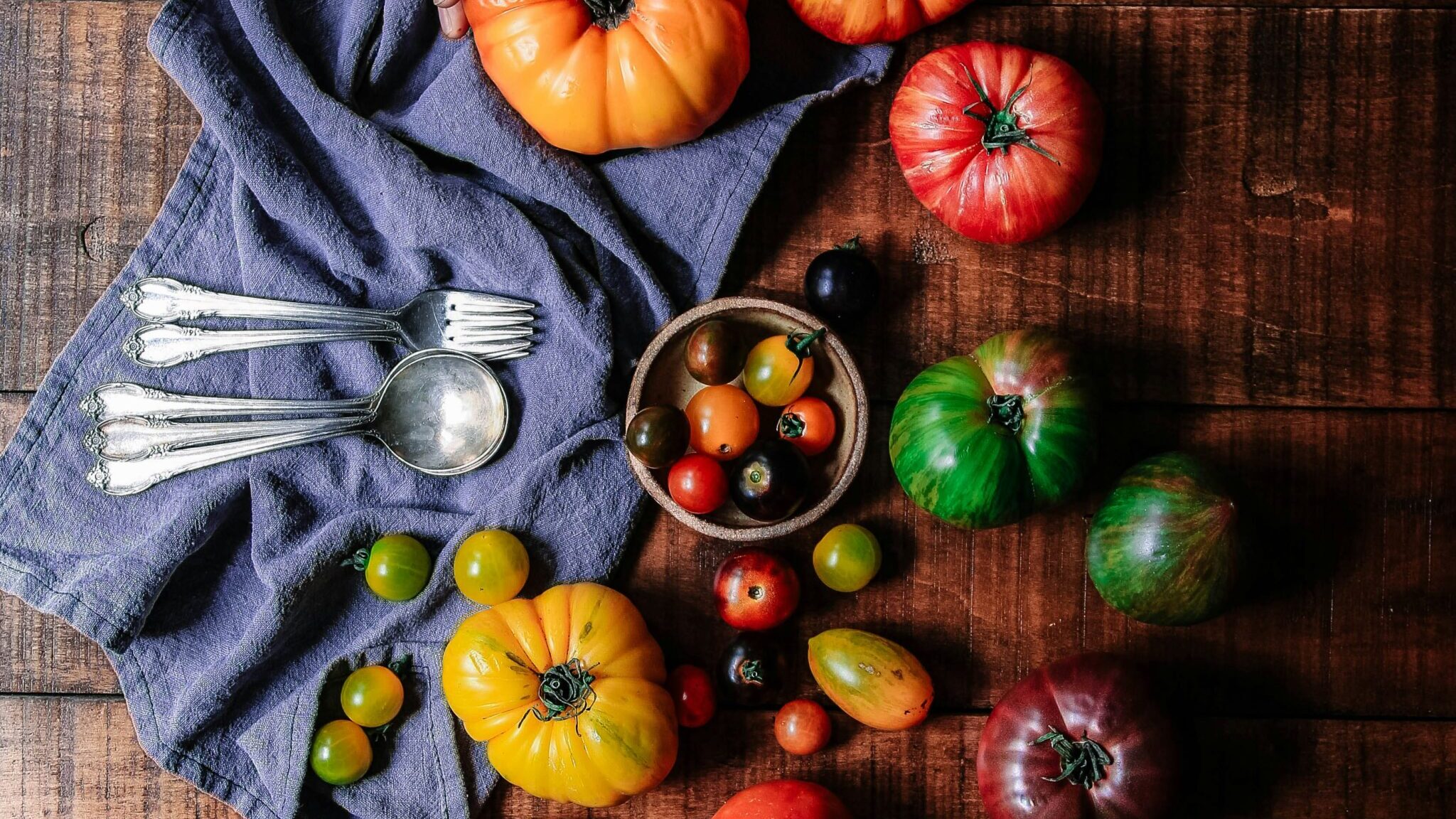
What food for men: Tomatoes

The World Health Organization recommends at least five portions of fruit and vegetables daily (equivalent to 400g) to reduce the risk of serious health issues. However, only about one in three UK men meet the 5 A DAY recommendation.

Including red fruits and vegetables, like tomatoes, is particularly beneficial for men’s health. Tomatoes are rich in lycopene, which may support prostate health and has potential cancer-protective effects (1). Processed tomatoes, such as puree and tinned chopped tomatoes, contain higher lycopene levels.

Benefits:

•Reduces the risk of chronic diseases.

•Provides essential vitamins and minerals, including zinc.

•Promotes digestive health and helps reduce LDL cholesterol.

Food Swaps and Tips:

•Use jarred tomato sauce for pasta dishes.

•Make a spicy salsa with chopped tomatoes, lime juice, chili, and coriander.

•Add chopped tomatoes to scrambled eggs.
Oily Fish

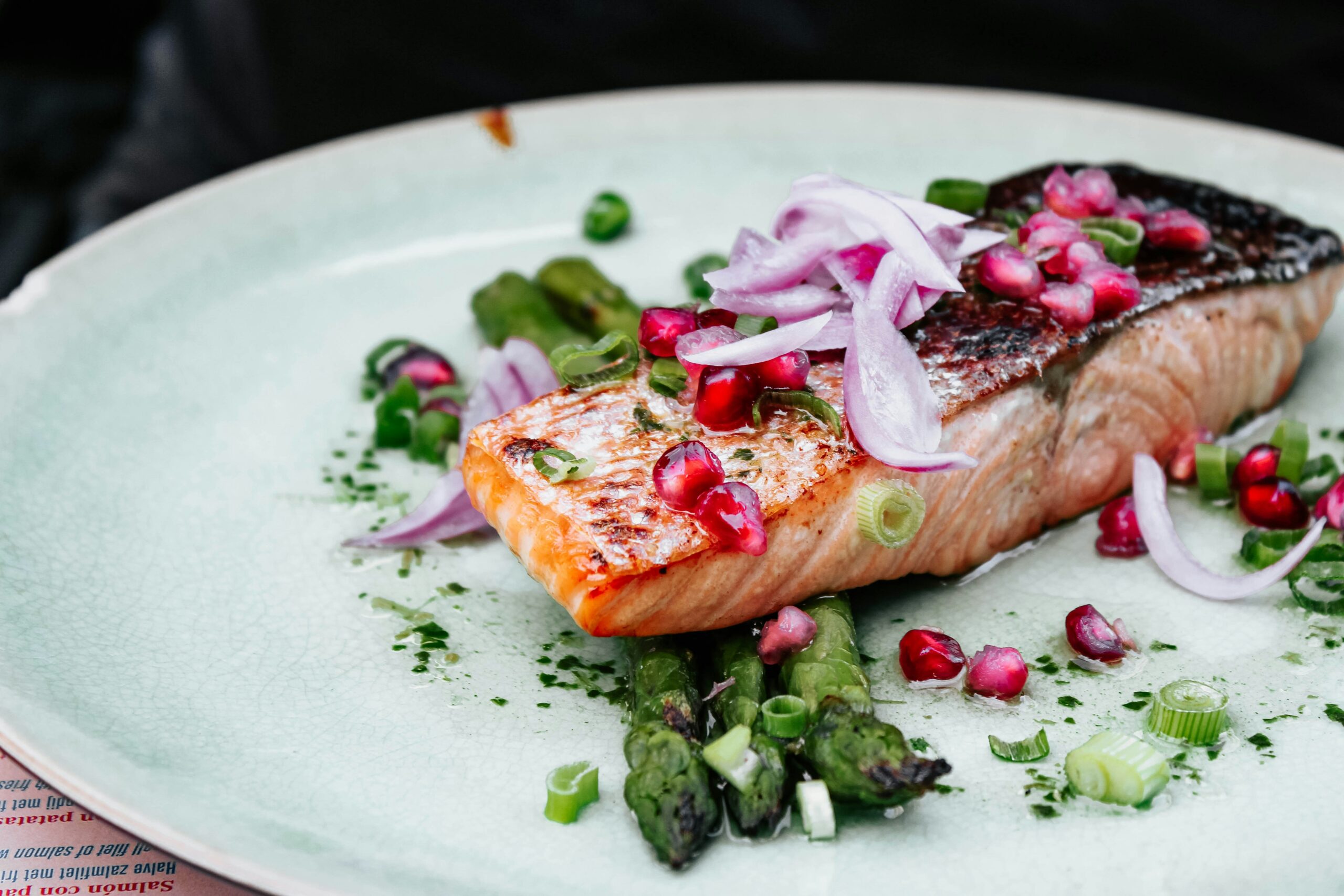
What food for men: Salmon

Oily fish, like salmon, mackerel, sardines, and trout, are rich in omega-3 fats, which may help prevent heart disease, and are a good source of vitamin D, essential for healthy bones and muscles. The recommendation is at least one portion (around 140g cooked) per week, but UK men generally eat less.

Men need to consider their bone health, as 1 in 5 have osteoporosis in the UK (2). Bone density deteriorates with age, and maintaining what you have laid down by your mid-20s is crucial. While the primary source of vitamin D is sunlight, including oily fish in your diet, especially during winter, is beneficial. A vitamin D supplement is also recommended during these months.

Benefits:

•Omega-3 fats support heart health by reducing inflammation and LDL cholesterol.

•Vitamin D strengthens bones and muscles and supports immunity.

•Omega-3s may protect the brain against age-related damage.

Food Swaps and Tips:

•Swap red meat for grilled salmon.

•Use canned salmon for sandwiches, jacket potatoes, or pasta sauces.

•Aim to eat one serving of oily fish weekly.
Reducing Saturated Fat

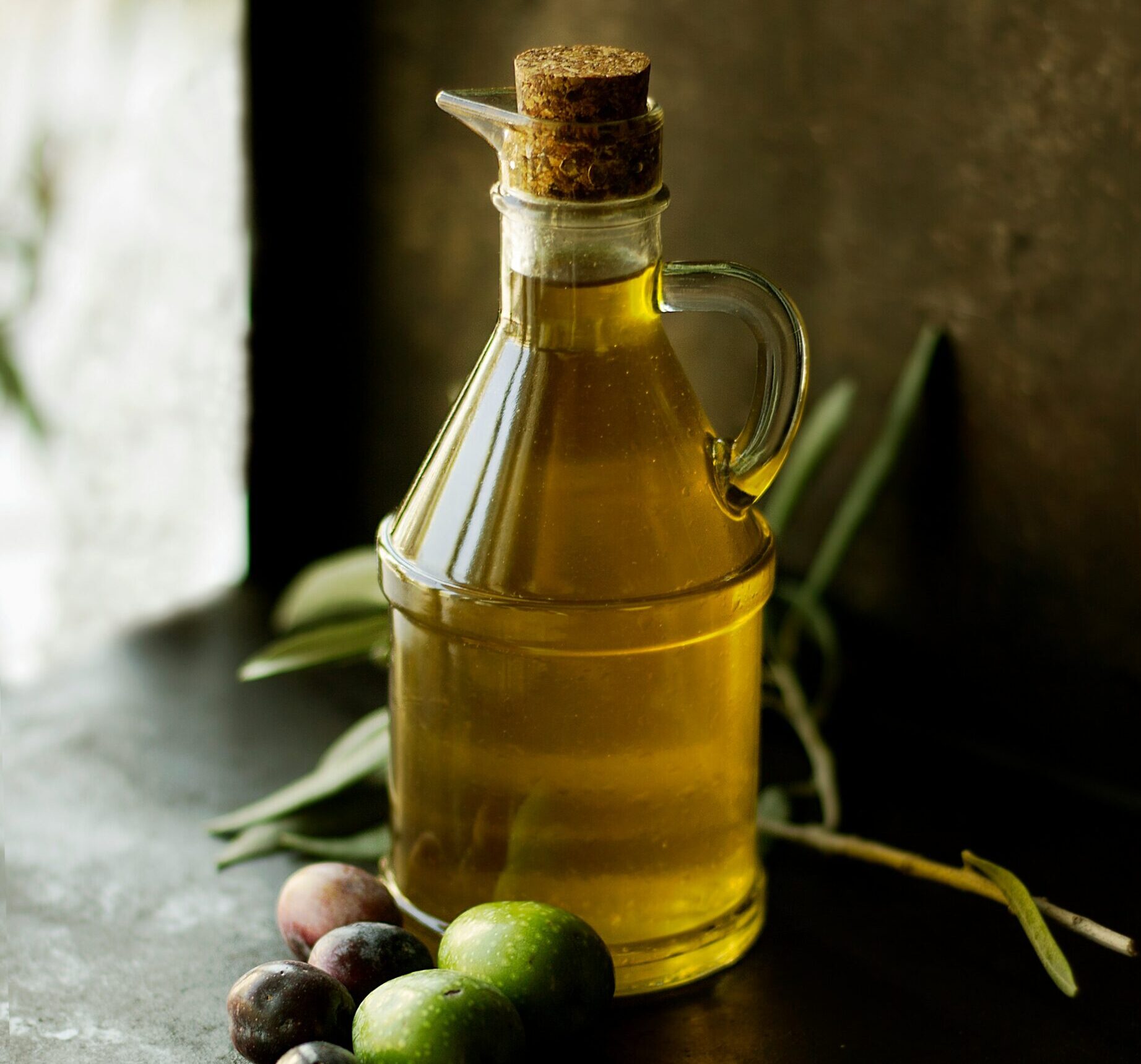
What food for men: Extra Virgin Olive Oil

Many UK men consume too much saturated fat, which raises LDL cholesterol levels and increases heart disease risk. Saturated fat should not exceed 10% of total energy intake, but it currently accounts for just over 12% in adult men.

Extra virgin olive oil is a healthier fat option. It helps reduce LDL cholesterol and increase HDL cholesterol, which is beneficial for heart health. The monounsaturated fats in olive oil reduce inflammation, and compounds like oleocanthal may protect against certain cancers, including prostate cancer. Extra virgin olive oil also enhances the absorption of lycopene from tomatoes and other red vegetables.

Benefits:

•Reduces the risk of heart disease.

•Helps maintain healthy cholesterol levels.

Food Swaps and Tips:

•Replace butter with extra virgin olive oil.

•Use olive oil for most cooking, except deep frying.

•Drizzle over vegetables to enhance lycopene absorption.
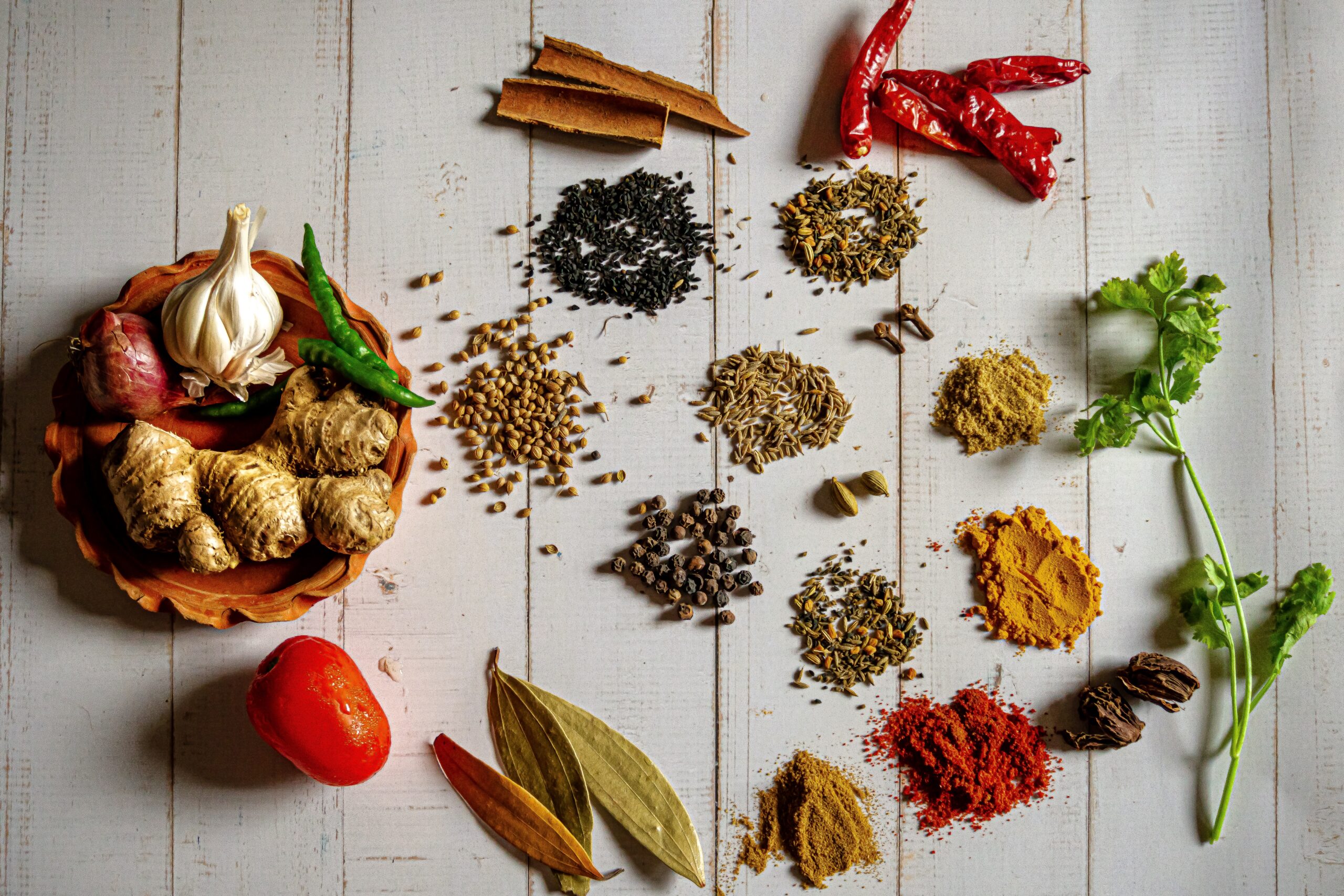
Reducing Salt Intake

What food for men: All Dried Spices

The average daily salt intake for adult men in the UK is 9.2g, exceeding the recommended maximum of 6g. High salt intake increases the risk of high blood pressure and related diseases.

Dried spices are a good substitute for salt and provide zinc, which is important for maintaining normal testosterone levels, vital for reproductive health and muscle mass maintenance.

Benefits:

•Lowers the risk of high blood pressure.

•Promotes better cardiovascular health.

Food Swaps and Tips:

•Use spices instead of salt for seasoning.

•Sprinkle turmeric into scrambled eggs.

•Keep a versatile spice mix, like Cajun or curry powder, handy.
Increasing Fibre Intake

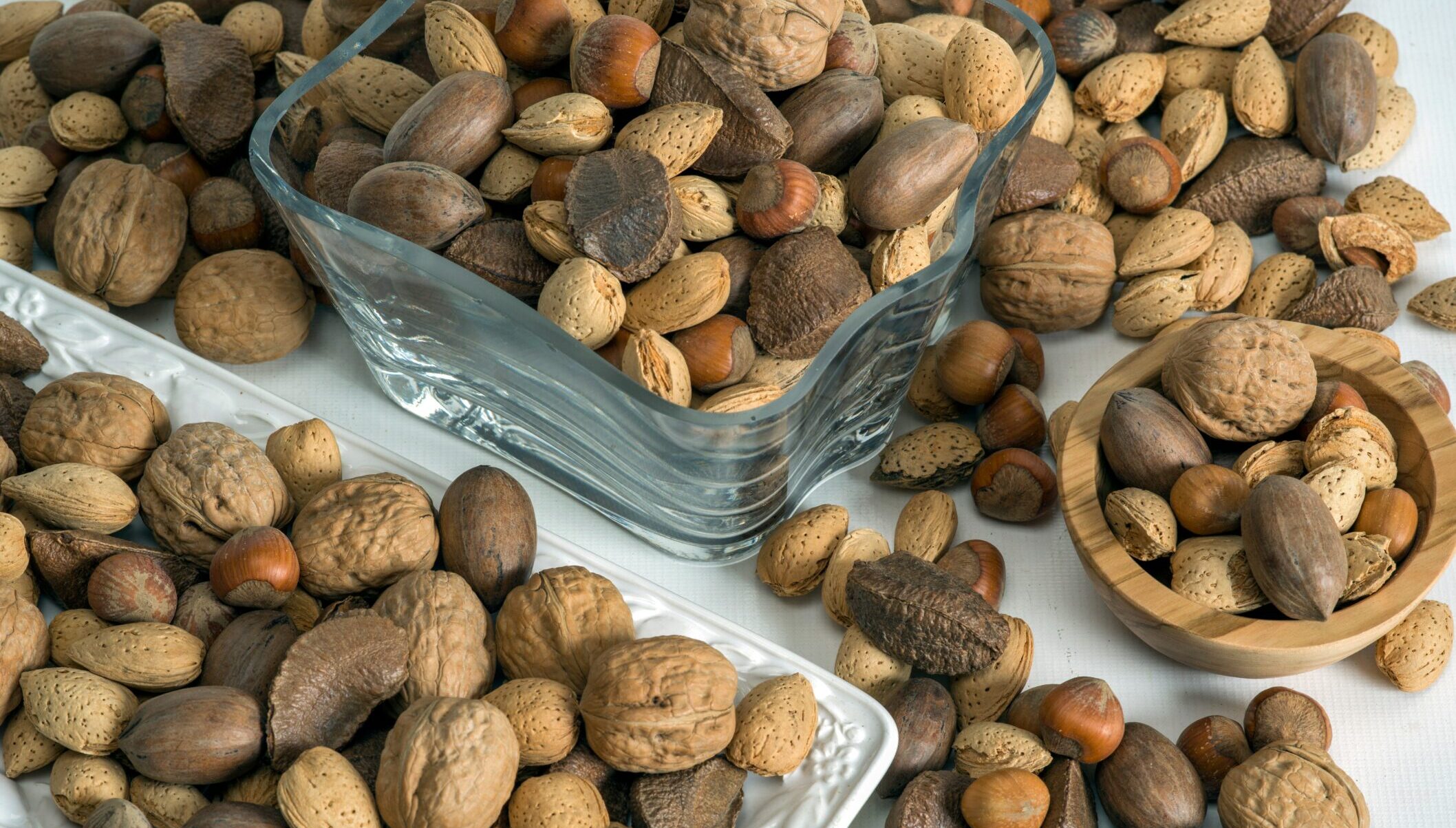
What food for men: Brazil Nuts

Only 12% of men get the recommended 30g of fiber daily. Fibre helps remove cholesterol, reduces blood pressure, aids weight management, and lowers cardiovascular disease risk (3) and reduce the risk of colorectal cancer which is the third most common cancer in men (4).

Nuts are a great way to increase fibre intake. Brazil nuts are particularly beneficial as they are high in selenium, essential for male fertility and normal testosterone production.

Benefits:

•Reduces the risk of cardiovascular disease.

•Helps maintain healthy cholesterol levels and blood pressure.

•Promotes digestive health.

Food Swaps and Tips:

•Crush Brazil nuts over yogurt, porridge, or salads.

•Eat three Brazil nuts daily for your selenium needs.

•Blitz in a food processor to make nut butter.

Additional Nutrients for Men’s Health

Eating a balanced diet following Mediterranean principles is key. Focus on reducing saturated fat and salt while increasing fiber, fruit, vegetables, and oily fish intake. These foods provide important nutrients like lycopene, zinc, and selenium. Making these dietary changes can significantly improve men’s health and reduce the risk of chronic diseases.

References

  1. https://pubmed.ncbi.nlm.nih.gov/35884603/
  2. https://pubmed.ncbi.nlm.nih.gov/35079919/
  3. https://www.ncbi.nlm.nih.gov/pmc/articles/PMC10612139/
  4. https://www.ncbi.nlm.nih.gov/pmc/articles/PMC7458778/
Food for good brain health

Food for good brain health

Eating a healthy diet is essential for your mental and physical health. Here are some ways you can support your brain through diet:

Increase your intake of foods rich in B vitamins

This complex of eight Vitamin B plays a significant role in the functioning of the brain and nervous system. A deficiency could affect memory function, cognitive impairment and dementia. One review found eating higher amounts of unsaturated fatty acids, antioxidants, and B vitamins (especially B12) decreased the risk of dementia1.

B12 can be found in dairy products, eggs, meat and fish. B6 is available in meat; fish; vegetables such as bell peppers, spinach and baked potatoes; and beans and legumes such as chickpeas and lentils.

Increase your intake of foods rich in vitamin E

Eating more nuts and seeds is a quick way to get vitamin E into your diet. A study published in the American Journal of Epidemiology explored found that decreasing levels of vitamin E were linked to poor memory2.

Both nuts and seeds are rich in vitamin E which help to protect cells in the body from oxidative stress caused by free radicals. A study in the Journal of Nutrition and Healthy Ageing found that people who ate more nuts had better brain functioning in older age3.

Eat two servings of oily fish weekly

Fatty acids such as omega 3s support brain health. One study found taking omega-3 supplements had significant benefits to memory function in healthy 50 to 75-year-olds, compared to a placebo group4.

Rich sources of omega 3 include oily fish such as salmon, sardines, mackerel and trout. If you’re not a big fan of fish, it can also be found in flaxseed and walnuts.

Feast on fermented foods

Your brain and gut are closely connected. Research has shown that gut bacteria may affect your brain function. One study found brain function changed among healthy women who consumed probiotics in yoghurt5.

Fermented foods such as yoghurt, miso and sauerkraut contain beneficial bacteria. A supplement containing bifidobacterium and lactobacillus strains can help restore the natural balance of bacteria in the gut.

Keep well hydrated through the day

If you’re dehydrated, you may struggle to concentrate or think clearly. In one study, researchers found that people who quenched their thirst with a glass of water before conducting mental tasks had reaction times 14 per cent faster than those who didn’t6.

Keep your vitamin D levels topped up

Vitamin D is produced in the skin on exposure to sunlight and is vital for healthy bones, teeth, and muscles. Recent research suggests low levels of vitamin D may be associated with dementia. A study published by JAMA Neurology found low vitamin D levels were associated with an accelerated decline in cognitive function7.

Vitamin D is not found in many foods other than egg yolks, oily fish (salmon, mackerel, herring and sardines), fortified dairy products other foods, and liver.

Sunshine, not food, is the primary source, and supplements can provide a top-up in autumn and winter.

Keep an eye on your alcohol intake

Alcohol alters your brain chemistry and can affect your thoughts and feelings.

Protecting your brain health is essential for maintaining overall wellbeing. Making the right dietary choices can help you to do this and keep you brain in good working order.

References

  1. https://pubmed.ncbi.nlm.nih.gov/26553347/
  2. https://link.springer.com/article/10.1007/s12603-018-1122-5
  3. https://www.ncbi.nlm.nih.gov/pmc/articles/PMC4276978/
  4. https://pubmed.ncbi.nlm.nih.gov/26890759/
  5. https://pubmed.ncbi.nlm.nih.gov/23474283/
  6. https://pubmed.ncbi.nlm.nih.gov/23874283/
  7. https://pubmed.ncbi.nlm.nih.gov/26366714/
The health benefits of walnuts

The health benefits of walnuts

New research has shown how the link between walnut consumption and heart health may be linked via the gut.

The study showed that:

  • Since walnuts have heart health benefits, researchers conducted a study to analyse their impact on the gut microbiome.
  • The researchers were curious whether the heart benefits derived from walnuts may start in the gut.
  • The researchers assigned diets to three groups, including one that ate whole walnuts, and then tested biological samples from each participant.
  • The findings showed people who consumed a diet with walnuts had higher levels of the amino acid L-homoarginine in their guts.
  • Since people with lower levels of homoarginine are at a higher risk for cardiovascular disease, this finding showed that it might be possible to improve heart health by making dietary changes that affect the gut.

What are the health benefits of walnuts?

Walnuts are a type of tree nut that have been enjoyed for their taste and nutritional benefits for thousands of years. They are a rich source of protein, healthy fats, fibre, vitamins, and minerals, making them an excellent addition to any healthy diet.

May Improve Heart Health

Walnuts contain a high amount of omega-3 fatty acids, which have been shown to improve heart health by reducing inflammation and decreasing the risk of heart disease.

Studies have also found that consuming walnuts may help to lower LDL (harmful) cholesterol levels and improve overall cholesterol levels.

May help with Weight Management

Despite being a high-fat food, walnuts help with weight management. This is because they are high in fibre and protein, which can help keep you feeling full and satisfied for extended periods. In addition, walnuts have a low glycaemic index, meaning they are less likely to cause blood sugar spikes and crashes, which can lead to overeating.

May Improve Brain Function

Walnuts are a good source of antioxidants, which can help to protect the brain from damage caused by free radicals.

Additionally, the omega-3 fatty acids in walnuts have been shown to improve cognitive function and memory in older adults.

May Help to Prevent Cancer

Studies have found that consuming walnuts may help to reduce the risk of certain types of cancer,

including breast and prostate cancer. This is thought to be due to the high levels of antioxidants and polyphenols found in walnuts, which have been shown to have anti-cancer properties.

May Improve Gut Health

Walnuts are high in fibre, which can help to promote healthy digestion and improve gut health.

Additionally, walnuts contain prebiotic compounds, which can help to feed the beneficial bacteria in your gut, leading to improved gut health and a more robust immune system.

Walnuts are a delicious and nutritious addition to any diet, so next time you’re looking for a healthy snack, reach for a handful!

Crunchy radish, tomato and watermelon salad

Crunchy radish, tomato and watermelon salad

Crunchy radish, tomato and watermelon salad
Serves 8

This salad can be served as a side dish with grilled meats or fish. You can double the portion size and add black beans or tofu for a plant-based alternative. This salad is a source of nutrients including potassium which is helps to maintain healthy blood pressure and vitamin C which is a powerful antioxidant. The red fruits in this recipe contain a rich source of lycopene which is an antioxidant compound associated with prostate health in men. 

Ingredients

350g cherry tomatoes, halved
2 red onions, finely chopped
1 cucumber, peeled, deseeded and diced
200g red radish, quartered
300g watermelon, cut into small cubes
2 tbsp toasted pumpkin seeds

Dressing

3 tbsp light olive oil
1 tsp mustard seeds
1 tsp Dijon mustard
2 limes, juiced
2 tsp white sugar
½ red chilli, deseeded and finely chopped
Small handful mint leaves, shredded

Method

1. Prepare the salad by adding all the ingredients to a large mixing bowl and combining well.
2. Now set a small saucepan over a medium heat and add the oil. Once hot add the mustard seeds and fry until they start to pop. Tip the seeds into a bowl and leave to cool. Add the remaining dressing ingredients to the bowl with the mustard oil and whisk together.
3. Pour the dressing over the salad then season with salt and pepper. Combine well then leave to sit at room temperature for 15 minutes before serving.

Full nutrition analysis 


Summer breakfast salad – Eats and Cheats

Summer breakfast salad – Eats and Cheats

So this is a quick flash back of the cookery videos I recorded with Jackie Wicks.  I had the privilege of working with Jackie on the UK edition of the book.

This is one of the recipes taken from the Eats and Cheats cookbook.

I don’t actually have the recipe from this video but it showcases many of the basic elements to creating a really healthy meal.

The foundations of a salad are the greens so in the summer this may be salad leaves while in the winter you may want to use finely shredded raw kale or cabbage.  Once prepared, massage these leafy greens in olive oil for a few minutes to soften them slightly and make them more palatable raw.

Try and add a few more brightly coloured vegetables in your salad.  My favourites include finely sliced peppers, grated raw beetroot and carrot, and also raw red onion.

Pump up the protein in your salad by adding either lean meat, fish or poultry.  If you’re plant-based then opt for marinated tofu, beans, pulses or lentils.

You may also want to add a carb to give your salad more substance.  Stick to wholegrains (brown rice, pasta) or pseudo grains (quinoa, amaranth, buckwheat), the latter of which are actually seeds and richer in both protein and essential minerals such as magnesium.

Fresh and dried fruits add texture and sweetness to a salad.

Go large on fresh herbs – anything will do, just chuck them in!

Dressing wise – there are many great dressing recipes online.  I like to keep things simple by combining olive oil with lemon juice.  Other favourites include tahini or Asian flavours such as soy and ginger.  My one tips is that olive oil is not always the best oil to use for dressing that include many different flavours.  Good quality olive oil is quite bitter which is OK with lemon juice but can over power other dressings.  My alternative is a light olive oil or groundnut oil.

Whats the deal with free radicals and antioxidants?

Whats the deal with free radicals and antioxidants?

The world of nutrition has evolved hugely over the last few decades as interest in the topic has grown.  Basic dietary advice is no longer enough for many people as they seek out other ways to optimise their health, combat ageing, lose weight and maximise exercise performance.

The desire to learn more has helped drive this evolution but has also exposed us to information that may be lacking in reliable science.

One topic that has always been popular is that of free radicals and antioxidants.  These terms are frequently chucked around and often oversimplified as being either good or bad for us but is it really that simple?

A little too much knowledge can be dangerous

One of my old bosses many years ago once said to me that a little bit of knowledge can be a dangerous thing and this is something that always rings true when I listen to people talk about nutrition.

How has dietary advice evolved over the last couple of decades?

Not long after I started out as a nutritionist the Department of Health had just launched the five-a-day campaign (2003) to promote the health benefits of eating more fruits and vegetables in the diet.  This campaign was driven by the science which proved fruits and vegetables had a key role to play in the prevention of cardiovascular diseases, cancers and diabetes.

The conversation around diet and nutrition at this time was heavily focused on key public health messaging to help tackle obesity and heart disease.

In 2007 the Food Standards Agency launched the ‘Eatwell Plate’ to help people to understand how the five key food groups form the basis of a balanced diet. This has since been replaced with the updated ‘Eatwell Guide’ (1).

When did the conversation start to change?

After this is when the conversation began to change as more people took an interest in the topic of nutrition.

Reporting in the media began to focus more on research findings linking diet to disease (many of which were contradictory), food companies started to coin phrases such as ‘superfoods’ and many books and TV shows on the topic became hugely popular.

During this time the quality of advice given out was questioned by qualified health professionals and authors such as Ben Goldachre putting much of it down to bad science.  This also saw the demise of well-known ‘health experts’ who dominated our screens at this time.

Around this time was also when the food industry became more regulated as they had to provide evidence to support any health claims made on their products (2008).

In 2007 the UK regulator Ofcom introduced regulations banning the advertising of foods high in fat, salt and sugar on children’s TV channels.  Bans were also introduced on the advertising of these foods on non-children’s channels during, before and after programmes aimed at those aged between four and fifteen.

The UK was the first country to introduce statutory scheduling restrictions of food advertisements to children.

The birth of social media

Around the same time came the social media explosion with the birth of Twitter in 2006 and Instagram in 2010.

These social media platforms are now home to many health and wellness ambassadors who churn out advice and represent food and wellness brands in the media.  This has raised many issues as to the quality of nutrition and diet advice as people turn to unqualified influencers for information over experts (although there are now many trusted voices on these platforms).

The topic of free radicals and antioxidants

As our interest in the nitty gritty of nutrition has grown one of the topics that has continued to come up is that of free radicals and antioxidants.  The terms are chucked around willy nilly and while most people may be familiar with them, very few actually know what they are.

The problem of oversimplification

The science behind free radicals and antioxidants is actually quite complex.  One problem with delivering these concepts to people has been an oversimplification of the science which has led them to be classed as either being good or bad for you.

The idea that free radicals are bad and antioxidants are good is one that is used to sell myriad of products in the wellness market, but the science is not that straight forward.  Antioxidants are normally depicted as the superhero defending our body against ageing and chronic disease risk caused by free radical damage.

There is of course truth in this depiction but unfortunately biology is never that simple.

What are free radicals?

Free radicals are very reactive chemicals, which are created when an atom or molecule (chemical that has two or more atoms) either gains or loses an electron.  The most common type of free radicals produced in living tissue are called reactive oxygen species or ROS for short and these contain oxygen.

We produce free radicals naturally through chemical processes that occur in the body such as the breakdown of food and its transformation into energy used by cells.

We are perfectly equipped to deal with free radicals but they may become an issue when they build up in high concentrations.  This can put the body in a state of oxidative stress (when free radicals outweigh antioxidants), which has the potential to damage every major component of cells when it occurs over a prolonged period of time. The most significant damage is that caused to DNA, which is thought to play a role in the development of many health conditions including heart disease and cancer (2).

The most likely cause of excess free radicals in the body are due to a combination of environmental, lifestyle and dietary factors which include pollution, stress, smoking, alcohol, sun exposure, infection and overconsumption of foods high in bad fats and sugar.

What are antioxidants?

Antioxidants are essential for the survival of all living things.  These chemicals are able to interact with free radicals and neutralising them without getting damaged or becoming a free radical themselves. Whilst the body relies on external source of antioxidants, which are gleaned from the diet, it’s also able to make some such as the cellular antioxidant glutathione.

Dietary antioxidants are found in fruits, vegetables and grains, which are all a rich source.  Examples of dietary antioxidants include lycopene and beta carotene found in red, orange and green vegetables as well as vitamins A, C, E and minerals such as selenium.  Plants also contain compounds such as polyphenols, which act as antioxidants and are found in foods such as berries and raw cacao.

Are free radicals always bad for us?

Most people equate free radicals to poor health but there is more to the story as they also play an important role in many normal cellular responses.

The immune system uses free radicals to help kill foreign invaders (phagocytes) in the body, which are just one of many ingredients in a cocktail of chemicals released in this defence mechanism, which is known as an oxidative burst.

Another interesting example of where free radicals may be beneficial is linked to exercise, particularly amongst athletes. Free radicals may play a key role in the benefits gained from exercise, which goes against much of the information provided on this topic.

One of the benefits of exercise is that it helps to improve insulin sensitivity, which is a good thing as the body becomes more attuned to maintaining blood sugar levels. Insulin resistance has the opposite effect resulting in higher insulin and blood sugar levels, which form part of the aetiology of diseases such as diabetes.

Research has shown that the oxidative stress (excess free radicals vs antioxidants) induced by exercise actually promotes insulin sensitivity and triggers an internal mechanism to protect the body against the potential damage from free radicals (3).  Interestingly, the same research has also shown that flooding the body with antioxidants (mostly in the form of supplements) may inhibit this health benefit from occurring.

These and similar findings have prompted experts in the field of sports nutrition to question the use of antioxidant supplements as part of their prescribed diet regime.

Are antioxidants always good?

The reputation of antioxidants has evolved over the decades into something of a panacea for good health.  Early research many decades ago identified their role in the ageing process and their association with health has stuck.

There is no doubt that antioxidants have a key role to play in the aetiology of disease and cell ageing, but this doesn’t mean that overdosing on them will help you to live longer, stop you getting sick or prevent wrinkles.

Antioxidant supplements

Supplements containing antioxidants have always been popular but the evidence to support their use in the reduction of disease risk is often lacking and often contradictory.

Supplements have their place and as the name suggests this is to supplement the diet to make up for any shortfalls that may exist when your diet may be compromised for whatever reason.  Public Health England currently recommend we supplement our diet with vitamin D during the winter months in the absence of sunlight and it has long been advised that women take folic acid during the early stages of pregnancy.

Supplements are also useful for young children, older adults and those following strict diets such as veganism.  In such cases there may be a greater risk of deficiency.

In some cases, supplements could do more harm than good and especially high doses of antioxidants.

One example is the link between beta carotene supplements and lung cancer as shown in the World Cancer Research Fund/American Institute for Cancer Research Third Expert Report Diet, Nutrition, Physical Activity and Cancer: a Global Perspective. This report found that there was strong evidence to show that taking high-dose beta carotene supplements increased the risk of lung cancer in both current and former smokers (4).

It’s all about balance  

Adopting a healthy diet which includes plenty of plant-based foods, especially brightly coloured fruits and vegetables, will ensure a good intake of antioxidants. Leading a healthy lifestyle which involves being active, maintaining a healthy body weight, not smoking and addressing stress and sleep issues can help to reduce excess free radicals.

I get that this may be easier said than done and behaviour change is a tricky thing that often challenges our ability maintain a healthy way of living.  However, focusing on the information and advice which is supported by science is always going to be a better long-term option than seeking out quick-fix fads.  A faddy approach to your health is  not only likely to be short-lived but may in fact be more detrimental to your health.

References  

  1. https://www.gov.uk/government/publications/the-eatwell-guide
  2. https://www.sciencedirect.com/science/article/pii/S2231253611110048
  3. https://www.ncbi.nlm.nih.gov/pmc/articles/PMC2680430/
  4. https://www.wcrf.org/dietandcancer
National curry week 2018 – health benefits of curry

National curry week 2018 – health benefits of curry

National curry week 2018

Curry is a word that typically conjures up an image of late-night dining following one too many beers after work on a Friday night or an unhealthy take-away food, but I’m going to put myself out there as saying this reputation is poorly misplaced.

Any food within a particular context could be deemed as being unhealthy but if you break down the components of curry and remove the beers and comfort eating aspect then what you’re left with is actually very healthy.

The origins of curry

The UK has adopted curry as a ‘national dish’ with thousands of Indian, Pakistani and Bangladeshi restaurants creating British-Asian meals we’ve all become familiar with such as chicken tikka masala, Balti and vindaloo.  The word ‘curry’ was invented by the British when they ruled India and adapted from the Tamil word ‘kari’, meaning sauce.  This word has now become an umbrella term to describe dishes that have originated from the Indian subcontinent, but is a definition reserved for the British.

India consists of 28 states with most of these having their own regional cuisines, few of which include the word ‘curry’.  The curry powder we have been accustomed to wouldn’t feature in your typical Indian kitchen and is a British creation, which was developed by Indian spice merchants.  The closest Indian comparison is a blend called garam masala that tends to be used towards the end of cooking.

Traditional dishes originating or inspired by Indian cuisine are characterised by the extensive use of spices, which define the unique flavour of this cuisine.  Indian cooking also includes many plant foods such as vegetables, pulses and lentils that are also thought to have a multitude of positive health benefits.

Variety is key

India is one of many countries whose mealtimes are a sharing affair, which involves a number of different dishes mostly cooked from scratch. This way of eating not only illustrates the positive impact of eating together and sharing mealtimes but also includes eating a wide variety of foods offering a broad spectrum of nutrients.  It’s a fair argument that such cultures dedicate a lot of time to preparing meals and often have an inherited knowledge of recipes and cooking, which is very different to our time-stretched culture that has become over reliant on quick-fix meals and snacking.  However, drawing inspiration from such cultural dining practices may help to improve the way we tend to eat in the Western world.

The health benefits of spices

Many spices are used in Indian cuisine and also feature as a key component of Ayurvedic medicine, which is one of the oldest of traditional medicine systems originating from India thousands of years ago.  Spices are commonly defined as an aromatic part of a tropical plant, which includes roots, barks, flowers and seeds, most of which are Asian in origin. Advances in scientific research has helped to identify and explain some of the benefits associated with spices and how they may contribute to health and the reduction of disease risk.

Spices fight Inflammation

Inflammation is essential to life and is the body’s natural response to injury or infection.  The flip side is that inflammation can have a harmful effect and research has shown that factors such as obesity, smoking, stress and a sedentary lifestyle can promote inflammation to the point at which is contributes to a variety of diseases (1)

Acute inflammation is characterised by redness, swelling, pain and heat, which is a protective response designed to heal the body and restore normal tissue function.  Chronic inflammation can begin in the same way but morph into a state that lingers over a long period of time, failing to respond to the immune systems attempts to eliminate the problem. This low-level inflammation can also occur even when there is no injury or disease.  When the immune system becomes uncontrolled in this way, white blood cells can attack healthy tissues and organs, setting up chronic inflammatory processes that are thought to play a key part in many diseases such as rheumatoid arthritis, heart disease, diabetes, cancer and even Alzheimer’s.

Alongside maintaining a healthy body weight and making healthy lifestyle choices, diet is thought to have a role to play in helping to reduce inflammation.  Research has shown that spices possess anti-inflammatory properties and whilst the findings are mixed, they’re still promising and suggest a benefit to including these foods in your diet.

Spices act as antioxidants 

Spices along with fruits and vegetables are a key source of natural antioxidants in the diet.  These antioxidants help to reduce oxidative stress in the body, which is caused by a high concentration of free radicals in cells and tissues induced by a number of factors such as excess exposure to UV, stress, polluted food, smoking and adverse environmental conditions. If the body becomes overwhelmed with free radicals and is unable to regulate them it can alter lipids, proteins and DNA, potentially triggering disease.

It’s worth pointing out here that free radicals are a natural by-product of metabolism, which is defined as the chemical processes that occur within the body such as those involved in converting food into energy.  Free radicals are essential to life as the body’s ability to turn food into chemical energy relies on a chain reaction of free radicals, which are also a crucial part of the immune system, which help to attack pathogens (foreign invaders).

The term ‘antioxidant’ is somewhat overused in the health arena and whilst achieving a balance between free radicals and antioxidant intake is key, they shouldn’t be be viewed as a panacea to good health.  Many foods contain nutrients that act as antioxidants and whilst eating plenty of these foods such as spices may help to protect against the damage caused by excess free radicals that can build up in the body, it’s important to make lifestyle changes such as losing weight, stopping smoking, drinking less, managing stress and spending less time in the sun rather than relying solely on such foods and supplements to counteract the impact of these lifestyle habits.

The antioxidant activity of spices is related to their chemical composition, mostly the presence of polyphenolic and other biologically active compounds.  The primary antioxidants and biologically active compounds in spices include flavonoids, phenolic acids, lignans, essential oils and alkaloids (2, 3).  These all behave in different ways such as flavonoids have the ability to scavenge free radicals and form complexes with catalytic metal ions that render them inactive (4).

A source of minerals

All spices are a source of minerals such as potassium, iron, magnesium, calcium and zinc.  Amongst all the minerals in spices, iron exists in the greatest concentration.  This mineral is essential for the production of healthy red blood cells and is the most common nutrient deficiency worldwide.  Food surveys have shown that more than 27% of women in the UK have inadequate intakes of iron in their diet and low levels are compounded by monthly menstrual blood losses (5).  Including spices in your diet can be a really useful way to boost your intake of minerals such as iron.

Reducing salt in your diet

Spices enhance the flavour of food and can help to reduce the amount of salt used in cooking, which is good for people with high blood pressure.  Adding spices to food is also a good way to ‘tantalise the taste buds’ and there are many ways to include these in our cooking in the place of salt.

Interesting ways to include more Indian spices into your diet

  • Add turmeric to scrambled egg
  • Add curry powder to boiled rice
  • Use spices to create rubs and marinades for meats
  • Spices such as cumin and ground coriander work well in salad dressings
  • Try adding curry powder or garam masala to traditional homecooked dishes such as shepherd’s pie for an Indian twist
  • Spice up a jar of tomato cook-in-sauce with Indian spices that could include garam masala, curry powder, mustard seeds, turmeric or fresh curry leaves.
  • Try making homemade cashew nut milk with turmeric (great served hot or cold). Add 100g of raw cashew nuts, 1 tsp of turmeric powder, 1 tsp of ground cinnamon and 2 tsp of honey to a high-powered blender with 500ml of water then blitz until smooth.  You can loosen the consistency by adding more water if you like.
  • Add curry powder or garam masala to basic vegetable soup recipe or even shop-bought fresh soups for an Indian twist.

Plant-based eating

There are many benefits associated with eating more plant-based foods.  As a nation we do not eat enough fruits and vegetables with only a third of people managing to meet the five-a-day guidance (5).  Plant foods also provide a rich source of fibre that has been shown to help with good digestion and reduce the risk of heart disease, colorectal cancer, diabetes and help with weight loss.  In the UK it has been shown that less than 10% of adults achieve the recommended daily intake of 30g per day (5).

Anecdotally, many people find vegetables boring to eat and often say that they don’t enjoy the flavour.  In my experience of cooking with people, I have found that with a little inspiration, even the most disliked vegetables can be reinvented with the use of spices and become something completely different.  Spices can also be used to add an Indian twist to vegetarian dishes.

Indian spices are always a great way to spice food and these are just a few ways to turn a plain old vegetable or vegetarian dish into something that’s irresistibly delicious:

  • Rub cauliflower with curry paste and roast in the oven.
  • Combine a 400g can of chickpeas (drained) with 1 tbsp of garam masala or curry powder and roast in the oven at 180C for 30 minutes.
  • Stir-fry okra with chopped red onion, ginger and cherry tomatoes, and fresh curry leaves.
  • Fry mustard seeds and crushed coriander seeds in a pan with a little oil until they begin to pop. Take them off the heat and stir through blanched green beans with a little oil.
  • I’m always looking for ways to make cooking tofu more enjoyable and found that it lends itself well to Indian cuisine and is a great alternative to paneer. I also discovered recently that you can bake tofu, which gives it a firm meaty texture.  You need to choose extra firm varieties and it can be marinated before or after cooking.
  • Learn to make a basic dhal recipe such as this one from mine and Lily’s cookbook

Healthy curry food swaps

There’s no doubt that many of us choose to eat curry on a night out or as take-away on a night in, but it doesn’t need to be a calorie laden affair.

  • Rather than ordering a meal solely for yourself, opt for sharing and choose plenty of plant-based options such as lentils and vegetables
  • Try choosing tomato-based curries over those laden with cream or coconut milk, which can be high in saturated fat
  • Try choosing oven cooked (tandoor) meats such as chicken and teaming them with vegetable dishes
  • Ditch the breads such as chapatti and naan

The true health benefits of curry are often overshadowed by the reputation this type of food has acquired.  The use of spices and plant-based foods are at the root of the health benefits associated with this the of cuisine.

Try this healthy vegetarian curry recipe, which not only provides many of the health benefits associated with South Asian cuisine but tastes bloody great!


Butternut, lentil and coconut curry

Serves 4 (very generously)

Ingredients

1 butternut squash

2 low-sodium vegetable stock cubes

1 tbsp coconut or groundnut oil

2 large onions, peeled and finely chopped

3 garlic cloves, peeled and crushed

Large thumb-sized piece of ginger, peeled and grated

1 red chilli, finely chopped

400g can coconut milk

1/2 tsp of sea salt

250g red lentils

2 tsp turmeric

Pinch of black pepper

2 large handfuls of spinach

1 large lime, juiced

2 large handfuls of coriander, finely chopped


Method

  1. Peel the squash, halve and remove the seeds then cut into 1 inch chunks.
  2. Dissolve the stock cubes in 1000ml of boiling water.
  3. Heat the oil in a large saucepan set over a medium heat.
  4. Add the onions, garlic, ginger and chilli then fry gently for about 5 minutes until the ingredients are soft.
  5. Turn up the heat and add the squash, stock and coconut milk to the pan and bring to the boil. Check the curry for seasoning and add salt. Reduce the heat to a gentle simmer and place the lid on the pan then cook for 10 minutes.
  6. Remove the lid and add the lentils, turmeric and black pepper then simmer for a further 15-20 minutes over a medium heat until the squash and lentils are tender. Add a little more water of the curry starts to dry out.
  7. Take the curry off the heat and stir through the spinach, lime juice and coriander. The curry should be a thick consistency but add more water if needed.
  8. Serve in large bowls.


References

  1. https://www.ncbi.nlm.nih.gov/pubmed/22226987
  2. https://www.ncbi.nlm.nih.gov/pubmed/27881064
  3. https://www.sciencedirect.com/science/article/pii/S2225411016302024
  4. https://www.ncbi.nlm.nih.gov/pmc/articles/PMC5618098/
  5. https://www.gov.uk/government/statistics/ndns-results-from-years-7-and-8-combined
Chocolate can be good for you

Chocolate can be good for you

Chocolate can be good for you

This week is Chocolate Week!!!!

The History of chocolate 

The history of chocolate dates back over 3000 years to the Olmec civilization.  Cocoa powder is made from cocoa beans that are harvested from a tree called Theobroma Cacao, meaning ‘food of the Gods’.  Aztecs are thought to have enjoyed cacao beans by making a ‘drink’ called Chicolati, which was believed to increase wisdom, boost energy and act as an aphrodisiac. This brew was seasoned with vanilla, chilli, honey or fruit and whipped into a froth using little sticks.  I love their choice of flavours, which have now become commonplace amongst chocolate bars and puddings.

Since its discovery by Europeans and the vast time through to modern day, millions of people have helped to drive the popularity of this ultimate sweet treat.  The reputation of chocolate has evolved over time from a luxury food synonymous with wealth, to an easily affordable comfort food whilst the association with romantic gesture (food of love) and mood has remained since first discovered.

Global retail sales of chocolate are staggering with estimates of over £75 billion per year and in the UK alone, we spend over £3 billion annually.

Types of chocolate

Chocolate comes in many forms nowadays and is defined by the percentage of cocoa it contains.  Milk chocolate contains a low percentage of cocoa (23% cocoa solids) and is high in sugar and saturated fat.  Darker varieties have a greater percentage of cocoa (anything from 70-90% cocoa solids) and slightly less sugar and saturated fat (although still high).  Cocoa powder contains hardly any sugar, low amounts of saturated fat and is rich in minerals and other compounds that may benefit health.

Nutritional content of cocoa

Cocoa in its raw form is a good source of minerals including iron (helps to maintain healthy red blood cell production), magnesium (helps to maintain healthy bones, promotes muscle relaxation and converts food into energy), phosphorus (healthy bones and converts food into energy), potassium (helps maintain fluid balance and helps the heart to work properly),  zinc (helps to make new cells and enzymes in the body and wound healing) and copper (helps to produce red and white blood cells and with iron usage in the body).

Nutritional breakdown of unsweetened cocoa powder per 2 heaped tsp

Calories         44

Fat                  1.9g

Sat fat             1.8g

Carb                 1.6g

Sugar              0g

Fibre               2.3g

Protein           2.6g

Also contains….

Iron                 1.57mg (11% RDA)

Magnesium    73mg   (19% RDA)

Phosphorus    92mg (13% RDA)

Potassium       210mg (10.5% RDA)

Zinc                 0.97mg (9.7% RDA)

Copper           0.55mg (55% RDA)

Other compounds found in cocoa

Cocoa is richer in antioxidants that almost any other food on the planet.  These antioxidant compounds are called flavanol polyphenols and have been shown to help reduce the risk of disease. Cocoa also contains a compound called theobromine, which acts as a stimulant similar to caffeine but without the jittery side-effects. You will also find phenethylamine (PEA) in cocoa, which is a compound that stimulates the central nervous system to amplify the action of brain chemicals including the ‘feel’ good hormones serotonin and dopamine.  Phenethylamine is also thought to mimic the brain chemistry of someone in love, which is why it’s often thought of as an aphrodisiac.

What are the potential health benefits of cocoa?

In moderation there’s nothing wrong with eating chocolate within the context of a healthy diet, but too much of anything can have its downsides and our reliance on high sugar snacks has been instrumental in the rise of diet related diseases including obesity.

Whilst overindulging on chocolate snack bars and puddings is clearly not great for your health, research has shown that there may be health benefits associated with cocoa, which is the raw ingredient.

Just to be clear, there are no benefits associated with tucking into a few packets of Minstrels and any positive impact on health is linked to cocoa in its raw form of cocoa powder or raw cacao.  The closest chocolate comes to having any health benefits is the dark variety with a high percentage of cocoa solids (70% and above), but this still needs to be eaten in moderation given its high sugar and sat fat content.

Heart disease

The polyphenols in cocoa are thought to dilate the arteries, which improves elasticity and may reduce the risk of heart attack. The effect of these antioxidants is also thought to be similar to aspirin in that they help to thin the blood and prevent unwanted clots with research showing that the effect after drinking a cup of cocoa lasting more than 6 hours (1).  Findings from a large analysis of seven studies carried out by researchers at Cambridge University found that both men and women with the highest intake of cocao were 37% less likely to suffer with coronary heart disease and 29% less likely to experience a stroke compared to those with the lowest intakes (2).

Cholesterol

Studies have shown that cocoa may have a positive impact on cholesterol, raised levels of which are considered to be a risk factor for heart disease.  Findings from a clinical trial published in the Journal of Nutrition showed that the polyphenols found in cocoa powder contributed to a reduction in LDL (bad) cholesterol, elevation in HDL (good) cholesterol and suppressed the oxidation of LDL cholesterol, which is thought to be particularly damaging to tissues such as those lining the arteries of the heart (3).   The effect on oxidation may be explained by the antioxidant effect of polyphenols as they help to protect the body from free radical damage (4).

Blood pressure

Research around blood pressure stems from islanders of Kuna that don’t appear to develop high blood pressure as they get older, which is in part attributed to the high amounts of cocoa they consume on a daily basis. It was noticed that once they left the island and consumed less cocoa they lost the protective effect on blood pressure.  The link between cocoa and blood pressure is that the flavanols it contains increase the availability of nitric oxide in the blood, which dilates blood vessels and lowers blood pressure.  Researchers from Adelaide University found that drinking cocoa (rich in flavanols) significantly lowered blood pressure when compared to a flavanol-free placebo drink (5).  Similar findings have also been shown in several other studies although the effect is not that strong (6, 7).

Brain health

Studies have shown that drinking cocoa at least 5 days of the week boosts the flow of blood to the parts of the brain that help with cognition and may improve performance and alertness (8).  The antioxidants in cocoa also help to neutralise the low-grade inflammation associated with ‘foggy’ thoughts. Studies of older people that are mentally impaired have found that those who regularly drank cocoa had greater improvements in memory and verbal reasoning than those who did not (9). It’s for this reason that cocoa has been of interest to researchers investigating dementia.

Chocolate as a functional food?

Advances in innovation have seen a rise in chocolate products with added health benefits.  Companies such as Ombar produce a dark chocolate bar fortified with probiotic cultures.

How to add more cocoa into your diet

Whilst many people enjoy eating chocolate and may understand the potential benefit of choosing dark over milk varieties, less people know how to use cocoa powder beyond a drink.

If you’re not familiar with using cocoa powder, then try these ideas below for a little inspiration:

  • Add 1 tbsp to your protein shake.
  • Add 1 tbsp to porridge.
  • Make homemade energy balls by blending cocoa or raw cacao powder, dates and chopped hazelnuts to a food processor.
  • Combine 1 tbsp with hot milk of choice for a warming evening drink rich in magnesium that helps to promote muscle relaxation and has been shown by research to induce sleep. Try adding cinnamon, ground cardamom or chilli for extra flavour.
  • Add cocoa or raw cacao powder to chilli con carne for richness and intense flavour.

The reality of chocolate and health

The truth still remains that chocolate, even dark chocolate, is never going to be considered a healthy food as it contains high amounts of sugar and saturated fat, which if eaten in excess will counteract any potential health benefits of cocoa.  However, you can reap the health benefits of cocoa by incorporating it into your diet in ways that allow you to control the amount of sugar and saturated fat.  It’s also worth pointing out that the true benefit of nutrition lies in the overall diet and not single foods so whilst the health potential of cocoa is interesting, you still need to focus on eating a well balanced and varied diet.

Try this recipe from my book The Detox Kitchen Bible.  These brownies are still a sweet treat but contain much less sugar than usual recipes and harness the benefits of cocoa.

Beetroot Brownies

Makes 9

Ingredients

150g raw beetroot, peeled and cut into small cubes

50g hazelnuts

100g gluten and wheat-free flour

1 tsp baking powder

60g raw cacao powder

120g runny honey

½ tsp salt

3 eggs

75ml rapeseed oil

Method

  1. Preheat your oven to 200°C. Line the bottom and sides of a 20cm square cake tin with greaseproof paper.
  2. Put the beetroot in a microwave-safe bowl with 50ml water, cover with clingfilm and cook on a high heat for 7 minutes until soft. If you don’t have a microwave, wrap the beetroot in foil and bake in the heated oven for about 40 minutes until soft.
  3. Put the hazelnuts in a blender and blitz until they are roughly chopped. Transfer them to a large mixing bowl. Sift in the flour, baking powder and cacao powder.
  4. Now blitz the cooked beetroot in the blender for 1–2 minutes until smooth. Add to the dry ingredients in the bowl but do not mix just yet.
  5. Using the blender for the third time, put the honey, salt and eggs in it and blitz for 3 minutes. Pour into the bowl and mix with the rest of the ingredients using a wooden spoon. Be gentle, as you want to keep air in the mixture whilst combining it thoroughly.
  6. Pour the mixture into the prepared cake tin and bake in the heated oven for about 30 minutes or until a skewer inserted into the centre comes out clean. Allow to cool completely before cutting into squares.

You can find more delicious recipes from Lilly and the gang at the Detox Kitchen website.

If you liked this blog and want to learn more about chocolate then have a read of these:

Raw cacao and avocado mousse recipe 

Raw cacao and cashew nut milk


References

  1. https://www.ncbi.nlm.nih.gov/pubmed/10871557
  2. https://www.ncbi.nlm.nih.gov/pubmed/21875885
  3. https://www.ncbi.nlm.nih.gov/pubmed/17513403
  4. https://www.ncbi.nlm.nih.gov/pubmed/11684527
  5. https://www.ncbi.nlm.nih.gov/pubmed/19910929
  6. https://www.ncbi.nlm.nih.gov/pubmed/17609490
  7. https://www.ncbi.nlm.nih.gov/pubmed/22301923
  8. https://www.ncbi.nlm.nih.gov/pubmed/16794461
  9. https://www.ncbi.nlm.nih.gov/pubmed/25733639


A natural approach to reducing cholesterol

A natural approach to reducing cholesterol

A natural approach to reducing cholesterol

Cardiovascular disease (CVD) is an umbrella term for a group of conditions that comprise all heart and circulatory diseases which includes coronary heart diseases (CHD), angina, heart attack, congenital heart disease, hypertension, stroke and vascular dementia.  This collection of conditions contributes to the most common cause of death. The risk of developing CVD is closely linked to lifestyle and dietary habits and the foods you choose to eat can have a big impact both on blood fats and body weight.

A poor diet is characterised by foods which are high in sugar and unhealthy fats.   The impact of this type of diet on your health is amplified by the amount of food you eat, which dictates your body weight (a risk factor for CVD).  High cholesterol is a risk factor for CVD and according to statistics from the charity organisation Heart UK, more than half of all adults have raised cholesterol levels. Adopting a healthy lifestyle through diet and exercise can help to lower your cholesterol and as such reduce your risk of disease.

What is cholesterol?

Cholesterol is a waxy substance found in your blood and in your cells. Your liver makes most of the cholesterol in your body and the rest comes from foods you eat. Cholesterol itself isn’t bad and your body needs it to make hormones, vitamin D, digestive fluids and for your organs to function properly.

There are two forms of cholesterol:

Low-density lipoprotein (LDL) is the unhealthy kind of cholesterol often referred to as ‘bad’.  LDL cholesterol can build up in your arteries and form fatty, waxy deposits called plaques.

High-density lipoprotein (HDL) is the healthy kind of cholesterol often referred to as ‘good’. It transports excess cholesterol out of your arteries to your liver, which removes it from your body.

What happens if you have high cholesterol?

High cholesterol itself doesn’t usually cause any symptoms, but it does increase your risk of serious health conditions.  Over time, high levels of LDL cholesterol, especially when oxidised, can damage your arteries, contribute to heart disease, and increase your risk of stroke. Oxidised LDL cholesterol is more likely to stick to the walls of your arteries to form plaques that clog blood vessels.  Smaller LDL particles are more likely to become oxidised by way of excess free radicles, which can build up as a result of smoking, poorly controlled diabetes, excess sugar, excess trans fats and stress.  Oxidised LDL cholesterol can increase inflammation, which over time has the potential to damage tissues and organs in the body.

What can increase your risk of having raised cholesterol?

Many factors can increase your chances of having heart problems or a stroke if you have high cholesterol.

  • An unhealthy diet– especially if rich in saturated fat and sugar, whilst lacking in vegetables
  • Smoking- one particular chemical found in cigarettes called acrolein stops HDL from functioning properly, which can lead to narrowing of the arteries (atherosclerosis)
  • Diagnosed with diabetesor high blood pressure (hypertension)
  • A family history of heart disease

Exercise also plays an important role

Being overweight and not exercising affects the fats circulating within the bloodstream.  Carrying excess weight can increase levels of LDL cholesterol, whilst being inactive can depress protective HDL cholesterol. Maintaining a healthy weight and exercising can help to reverse these effects on cholesterol.

Where does diet fit into the equation?

Certain foods have been shown to reduce cholesterol and can be used alongside medication or as a natural approach to tackling raised cholesterol.  Certain foods work in different ways to lower cholesterol through the effect of soluble fibre (removes LDL cholesterol from the body), unsaturated fats (rebalances cholesterol levels) and plant sterols, which block the body from absorbing cholesterol.

There’s a misconception that foods naturally high in dietary cholesterol such as eggs and shellfish are harmful, but the effect of these foods has little impact.  Cholesterol production is tightly regulated and most of what circulates in the body is made ‘in-house’.  It’s the overconsumption of foods high in sat fats and sugar, and not dietary cholesterol that prompts the body to create excess.

Foods that help to lower and maintain healthy cholesterol levels

Certain foods have been shown to have a beneficial role in lowering and maintaining healthy levels of cholesterol including:

  • Oats
  • Barley
  • Beans, pulses and lentils
  • Nuts
  • Foods fortified with plant sterols
  • Oily fish
  • Soy foods

Ideas for food swaps that can help you to reduce your cholesterol levels

These food swaps encompass the foods that have been shown to help lower and maintain healthy levels of cholesterol.

Breakfast cereal for oats

UK dietary guidelines suggest that we aim to eat 30g of fibre per day but findings from the National Diet and Nutrition Survey have shown that most people only manage to achieve two thirds of this target and that only 9% of men and 4% of women meet the guidance (1).

As far as cholesterol is concerned, it’s soluble fibre that has the greatest impact.  These fibres dissolve in the gut to form a thick paste that binds with cholesterol and cholesterol like substances preventing them from being absorbed.  Oats contain a type of fibre known as oat beta glucan. To get the greatest benefit, research has suggested aiming to eat 3g of oat beta glucan per day (2-4 portions of oat-based foods) and shown that this may help to reduce LDL cholesterol by up to 10% over 4 weeks (2).

Swap you usual cereal for something oat based.  Oats can be used to make porridge or soaked oats, and granola is a tasty option to top yoghurt.  You can also add oats to breakfast smoothies.

Cow’s milk for soy alternative

The protein found in soy-based foods such as tofu, edamame beans and soy milk have been shown to help reduce levels of LDL cholesterol and form a key part of the Portfolio diet. Research has suggested that a 25g daily intake of soy protein can help to lower LDL cholesterol by up to six percent (3).

Food Average serving size Soy protein per serving
Soya milk alternative 250ml 7.5g
Soya yoghurt alternative 125g 5g
Edamame beans 80g 9.3g
Soya nuts (roasted) 30g 15g
Soya mince 100g 16.4g
Tofu 75g 12g
Soya dessert 125g 3.8g

Switching cow’s milk with a soy alternative is a useful way to increase your intake of soy protein.  This alternative can be used in the same way as milk but look for a brand that’s fortified with calcium.

Chocolate bar for dried fruit and nut bar

Processed foods such as chocolate bars are not just high in saturated fat but also added sugars, which can increase levels of LDL cholesterol if eaten in excess.  Dried fruit and nut bars contain less saturated and more monounsaturated fats, which are found in nuts.  Monounsaturated fats help to lower LDL cholesterol and increase HDL cholesterol. Various studies have shown how nuts including almonds, peanuts and walnuts in your diet (50g per day) can slightly lower LDL cholesterol by up to five percent (4).

Dried fruits also have heart healthy properties as they contain resveratrol, which is a polyphenol antioxidant thought to be associated with good heart health.  Sultanas and raisins are particularly high in resveratrol.

Cream for low fat yoghurt

Cream is another food that is high in saturated fat, which can increase your levels of LDL cholesterol.  Saturated fat is not all bad and it does also help to lower triglycerides and nudge up levels of HDL cholesterol when eat in moderation.

Switching to low fat yoghurt over cream is a simple food swap that can be used in the same way when cooking.  You can flavour yoghurt with spices such as cinnamon, vanilla or lemon juice, which makes a nice accompaniment to fruit or fruit-based puddings.

The topic of saturated fat and its role in heart disease is one that continues to cause debate. Regardless of opinion, limiting your saturated fat intake, especially from processed foods will help to maintain a healthy body weight and balance out cholesterol levels.

Butter for low fat spread fortified with plant sterols such as Benacol

The market for functional foods has grown in recent years and at the forefront are plant sterols, which have been shown to help reduce LDL cholesterol.  Plant sterols are extracted from plant gums and help to lower LDL cholesterol by inhibiting it from being absorbed in the body.  Foods with added plant sterols include spreads, milk, orange juice and yoghurt, which can all easily be incorporated into the diet.

Research has shown that consuming 2g of plant sterols per day can lower LDL cholesterol by around ten percent (5).  Try swapping butter for a lower fat spread fortified with plant sterols.

Red meat for oily fish

Red meat, especially fatty varieties, are rich in saturated fat, which can raise levels of LDL cholesterol.  There are many benefits associated with limiting your intake of red meat, which include reducing the risk of colorectal cancer.  Opting for alternative source of protein can be beneficial and oily fish such as salmon, mackerel and trout not only help to regulate cholesterol levels but contain omega 3 fatty acids that have been shown to reduce the risk of heart disease.

Omega 3 fatty acids increase HDL cholesterol and reduce LDL cholesterol as well as reducing triglycerides in the bloodstream.  Swapping red meat for oily fish can reduce your overall intake of saturated fat and offer the benefits associated with omega 3 fatty acids.

White rice for barley

Like oats, barley contains beta glucans that have been shown to help reduce LDL cholesterol.  Beta glucan binds to bile acids in the gut which increases their excretion from the body. This reduced level of bile acids stimulates its production in the liver. In order for the liver to synthesise bile acids it requires LDL cholesterol, which is drawn from circulation in the body. The net effect is a reduction in circulating LDL cholesterol.

Barley can be used in place of rice and works really well in risottos.

Raised cholesterol is a risk factor for heart disease but is easily reversed by the adoption of healthy diet and lifestyle habits, which also influence many other areas of health. If you have high cholesterol and want to approach it from a diet perspective, then including the foods above can help you to achieve the greatest impact.

If you liked this blog and want to learn more about diet and cholesterol then try reading these:

How easy is it to get your ten-a-day?

Turmeric chicken with Asian slaw recipe

Mexican prawn and black bean salad recipe

Super green stir-fry with smoked tofu recipe 

Avocado and white bean smash recipe 

Nutty couscous and veggie salad recipe 

Oat Bircher muesli recipe 

Edamame bean salad recipe


References

  1. https://www.gov.uk/government/statistics/ndns-results-from-years-7-and-8-combined
  2. https://www.ncbi.nlm.nih.gov/pubmed/21631511
  3. https://www.ncbi.nlm.nih.gov/pmc/articles/PMC5409663/
  4. https://www.ncbi.nlm.nih.gov/pubmed/16140880
  5. https://www.ncbi.nlm.nih.gov/pubmed/24468148
Ten prebiotic foods you need to know about

Ten prebiotic foods you need to know about

Ten prebiotic foods you need to know about

Gut health has become a hot topic in the world of nutrition and as research evolves it’s becoming very clear that the beneficial role of microbes found in the gut goes way beyond digestion.  The collection of microbes in your gut are referred to as your microbiome and advice about how to protect it has become commonplace.

Your gut microbiome is sensitive to your lifestyle and dietary habits; both  can either promote a good diversity of microbes in the gut or tip the balance in the opposite direction, which may have a negative impact on your health.

The foods that can have the biggest positive effect on your microbiome are those containing beneficial bacteria (probiotics) and those containing indigestible fibres referred to as prebiotics.

Your microbiome is unique like a fingerprint

The term ‘microbiome’ refers to the collection of microbes that live in and on the body, of which there are around 100 trillion, the majority of which are found in the gut.  These bugs form a protective barrier defending the body from foreign invaders, which can be harmful to health.

The microbes in your gut include bacteria, which are essential for efficient digestion.  These bacteria also help to digest antioxidant polyphenols, synthesise vitamins such as B12, D, folic acid and thiamine, and produce short chain fatty acids that provide energy to the cells of your colon helping to maintain a strong gut barrier.  Gut bacteria have also been shown to play a role in immunity and new research is starting to explore the effect on the brain with early findings linking the diversity of bacteria in your gut to mental health and obesity (via the effect on hormones that control appetite).

Like a fingerprint, your microbiome is unique, and its composition is dictated by the world around you and within you.

Cultivation is key to a healthy microbiome

It’s yet unclear what constitutes a ‘healthy’ microbiome but one thing for sure is that it takes a bit of cultivation.  If your gut becomes overrun with bad bacteria then this can upset the balance of your microbiome, which may lead to symptoms such as bloating, excessive gas, abnormal bowels, bad breath and fatigue.

A poor diet is characterised by an over-consumption of sugar and bad fats, whilst lacking in nutritious foods such as vegetables and other wholefoods including beans, pulses and wholegrains.  This type of diet has been shown to promote the overgrowth of bad bacteria in the gut  (1, 2, 3).

Medication can also impact on gut bacteria as the overuse of non-steroidal anti-inflammatory drugs (NSAIDS) and antibiotics have the potential to destroy them, which can leave your gut vulnerable and increase the risk of infection.

What are prebiotics?

No doubt you will have heard about probiotics, which are friendly bacteria found in foods such as live yoghurt and supplements.  Other foods such as kimchi, kefir and miso also contain bacteria, which are beneficial to health.

The role of prebiotics is less well understood but they’re equally, if not more important than probiotics as these indigestible fibres help the bacteria in your gut to thrive.  Probiotic supplements have the potential to be very beneficial, especially if you need to re-balance the diversity of bacteria in your gut but the same is not necessarily true of prebiotics.

There are many food sources of prebiotics, which include inulin, lignin, oligosaccharides, mucilage gums, non-starch polysaccharides (pectin and beta glucans) and resistant starches.  Foods containing these prebiotics can easily be incorporated into your daily diet and many of which you may already be eating on a regular basis. You’re more likely to be eating prebiotic foods if your diet is healthy and contains plenty of plant-based foods.

Ten top prebiotic foods to include in your diet

There are quite a few prebiotic foods, but I have chosen the ones that are more commonly eaten and easily accessed from your local supermarket.

1.Jerusalem artichoke

This vegetable is now available in larger supermarkets and is in season between October and February.  Jerusalem artichokes contain 2g of fibre per 100g and 76% comes from inulin. You can also glean a good source of thiamine (healthy nervous system and releases energy from food) and iron (healthy immune system, red blood cell production and wards of tiredness) from Jerusalem artichokes.

These are not a commonly eaten vegetable as many people are unsure how to use them.  Jerusalem artichokes have a nutty flavour and can be used in the same way as potatoes in that they can be roasted and mashed, and also work well in soups.

2.Garlic

This vegetable is closely related to onions and leeks. Garlic can form the base of many home-cooked dishes alongside onions, which means it’s easy to add to your daily diet.  Around 11% of the fibre found in garlic comes from inulin and 6% from fructooligosaccharides, which add a slight sweetness to its flavour.

3.Onions

Onions are another food that can easily be included into your daily diet as it acts as a base for many home-cooked dishes.  Around 10% of the fibre found in onions comes from inulin and 6% from fructooligosaccharides.  Onions also contain a good source of vitamin C (protects cells, maintains healthy skin and helps with wound healing) and the flavonoid quercetin, which acts as an antioxidant in the body.

4.Leeks

This vegetable is similar to garlic and onions but less commonly used.  Around 16% of the fibre found in leeks is from inulin.  Leeks are also high in flavonoids, which support the body to respond to oxidative stress.  You can also glean a good source of vitamin A (healthy immune system, eyes, skin and mucosal linings such as the nose), vitamin C (protects cells, maintains healthy skin and helps with wound healing) and vitamin K (blood clotting and healthy bones) from leeks.

You can serve leeks as a side dish, incorporate into soups or a topping for pies.

5.Apples

There’s a lot of truth in the saying about an apple a day keeping the doctor away, and this includes the health of your gut.  Around 50% of the fibre found in apples is from pectin.  This prebiotic not only benefits the health of your microbiota but has been shown to help reduce cholesterol.  Apples are also high in polyphenol antioxidants.

As well as snacking on apples you can use them to make fruit puddings, add to savoury dishes and grate as a topping for yoghurt or soaked oats.

6.Asparagus

This vegetable is now available all year round with supermarkets importing it from countries such as Peru.  To savour the best tasting Asparagus and save on food miles, you’re better to wait until the British asparagus season, which occurs between April and May.   Asparagus is not as rich in prebiotics as other vegetables with only around 5% of the fibre coming from inulin. This vegetable also contains a good source of vitamin A (healthy immune system, eyes, skin and mucosal linings such as the nose), vitamin K (blood clotting and healthy bones) and folate (healthy red blood cells and protection against neural tube defects in unborn babies).

Asparagus is delicious served on its own with a big drizzle of olive oil or topped with a poached egg for breakfast.  You can also add asparagus to pasta dishes, risottos and soups.

7.Bananas

These fruits are one of the most commonly eaten in the UK and contain small amounts of inulin.  Unripe (green) bananas are high in resistant starch and feature as an ingredient in many Caribbean dishes. Bananas are also a good source of vitamin B6 (converts food into energy and helps to form haemoglobin in red blood cells).

Bananas can be eaten as a snack, baked and used in smoothies and fruit puddings.  For something different, try adding to curries.

8.Barley

This grain is not as commonly used as others such as rice but is actually hugely versatile once you know how to use it.  Barley contains around 8g of beta glucan per 100g, which is not only good for your gut but has been shown to help reduce cholesterol. Barley also contains the minerals magnesium (converts food into energy, promotes muscle relaxation and healthy bones) and selenium (protects cells and promotes a healthy immune system).

Barley can be used in place of rice to make risotto, added to soups or salads (cooked).

9.Potatoes

Potatoes are a starchy carbohydrate as are other foods such as grains.  Starches are long chains of glucose, which the body uses for energy.  When potatoes are cooked and then cooled, they develop resistant starches, which the body is unable to break down and as such behave as prebiotics.

10.Flaxseeds

These seeds are hugely healthy and a good source of prebiotics with 20-40% of their fibre coming from mucilage gums and 60-80% from cellulose and lignin.  Flaxseeds also contain phenolic antioxidants and are a useful source of protein. You can also glean a good source of minerals from flaxseed including magnesium (converts food into energy, promotes muscle relaxation and healthy bones), iron (healthy immune system, red blood cell production and wards of tiredness), calcium (healthy bones and teeth) and zinc (converts food into energy, involved in making new cells and enzymes and helps with wound healing).  Flaxseed are also rich in omega 3 and although the conversion to more usable forms of this fatty acid in the body is poor, it’s still a useful source, especially for people following a plant-based diet.

You can add seeds to any dish and also smoothies.

If you’re eating a healthy diet, then many of the foods included will naturally take care of your gut and including the foods listed above will be especially useful to promote the health of your microbiome.


References

  1. https://www.ncbi.nlm.nih.gov/pmc/articles/PMC3493718/
  2. https://www.ncbi.nlm.nih.gov/pmc/articles/PMC4005082/
  3. https://www.ncbi.nlm.nih.gov/pmc/articles/PMC4083503/