Ingredients

Home / Nutritious Delicious / Archive by category "Ingredients"
The state of mens health and five foods they need to eat every week

The state of mens health and five foods they need to eat every week

As a male nutritionist, I’ve seen firsthand the benefits of certain foods in promoting men’s health. Understanding the dietary habits of men in the UK reveals some interesting trends and highlights areas for improvement. Here are specific foods men should incorporate more into their diets due to their rich nutrient content beneficial for men’s health.

Current Dietary Trends in UK Men

Many men in the UK do not meet the dietary recommendations for fruit and vegetable intake, fiber, and omega-3 fatty acids, while consuming excessive amounts of saturated fat and salt. These patterns increase the risk of heart disease, high blood pressure, cancer, and other health issues.

Fruits and Vegetables

What food for men: Tomatoes

The World Health Organization recommends at least five portions of fruit and vegetables daily (equivalent to 400g) to reduce the risk of serious health issues. However, only about one in three UK men meet the 5 A DAY recommendation.

Including red fruits and vegetables, like tomatoes, is particularly beneficial for men’s health. Tomatoes are rich in lycopene, which may support prostate health and has potential cancer-protective effects (1). Processed tomatoes, such as puree and tinned chopped tomatoes, contain higher lycopene levels.

Benefits:

•Reduces the risk of chronic diseases.

•Provides essential vitamins and minerals, including zinc.

•Promotes digestive health and helps reduce LDL cholesterol.

Food Swaps and Tips:

•Use jarred tomato sauce for pasta dishes.

•Make a spicy salsa with chopped tomatoes, lime juice, chili, and coriander.

•Add chopped tomatoes to scrambled eggs.

Oily Fish

What food for men: Salmon

Oily fish, like salmon, mackerel, sardines, and trout, are rich in omega-3 fats, which may help prevent heart disease, and are a good source of vitamin D, essential for healthy bones and muscles. The recommendation is at least one portion (around 140g cooked) per week, but UK men generally eat less.

Men need to consider their bone health, as 1 in 5 have osteoporosis in the UK (2). Bone density deteriorates with age, and maintaining what you have laid down by your mid-20s is crucial. While the primary source of vitamin D is sunlight, including oily fish in your diet, especially during winter, is beneficial. A vitamin D supplement is also recommended during these months.

Benefits:

•Omega-3 fats support heart health by reducing inflammation and LDL cholesterol.

•Vitamin D strengthens bones and muscles and supports immunity.

•Omega-3s may protect the brain against age-related damage.

Food Swaps and Tips:

•Swap red meat for grilled salmon.

•Use canned salmon for sandwiches, jacket potatoes, or pasta sauces.

•Aim to eat one serving of oily fish weekly.

Reducing Saturated Fat

What food for men: Extra Virgin Olive Oil

Many UK men consume too much saturated fat, which raises LDL cholesterol levels and increases heart disease risk. Saturated fat should not exceed 10% of total energy intake, but it currently accounts for just over 12% in adult men.

Extra virgin olive oil is a healthier fat option. It helps reduce LDL cholesterol and increase HDL cholesterol, which is beneficial for heart health. The monounsaturated fats in olive oil reduce inflammation, and compounds like oleocanthal may protect against certain cancers, including prostate cancer. Extra virgin olive oil also enhances the absorption of lycopene from tomatoes and other red vegetables.

Benefits:

•Reduces the risk of heart disease.

•Helps maintain healthy cholesterol levels.

Food Swaps and Tips:

•Replace butter with extra virgin olive oil.

•Use olive oil for most cooking, except deep frying.

•Drizzle over vegetables to enhance lycopene absorption.

Reducing Salt Intake

What food for men: All Dried Spices

The average daily salt intake for adult men in the UK is 9.2g, exceeding the recommended maximum of 6g. High salt intake increases the risk of high blood pressure and related diseases.

Dried spices are a good substitute for salt and provide zinc, which is important for maintaining normal testosterone levels, vital for reproductive health and muscle mass maintenance.

Benefits:

•Lowers the risk of high blood pressure.

•Promotes better cardiovascular health.

Food Swaps and Tips:

•Use spices instead of salt for seasoning.

•Sprinkle turmeric into scrambled eggs.

•Keep a versatile spice mix, like Cajun or curry powder, handy.
Increasing Fibre Intake

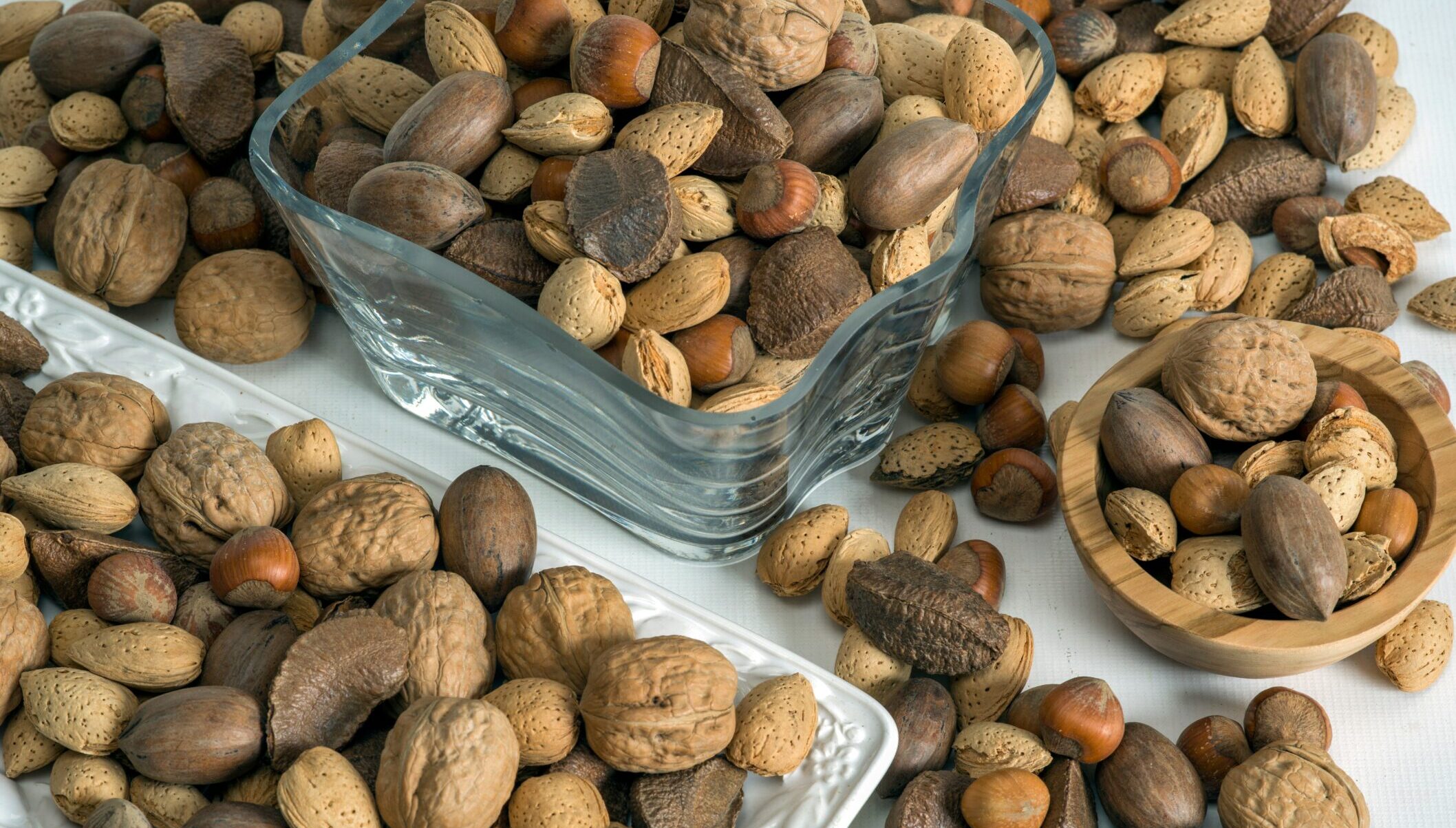
What food for men: Brazil Nuts

Only 12% of men get the recommended 30g of fiber daily. Fibre helps remove cholesterol, reduces blood pressure, aids weight management, and lowers cardiovascular disease risk (3) and reduce the risk of colorectal cancer which is the third most common cancer in men (4).

Nuts are a great way to increase fibre intake. Brazil nuts are particularly beneficial as they are high in selenium, essential for male fertility and normal testosterone production.

Benefits:

•Reduces the risk of cardiovascular disease.

•Helps maintain healthy cholesterol levels and blood pressure.

•Promotes digestive health.

Food Swaps and Tips:

•Crush Brazil nuts over yogurt, porridge, or salads.

•Eat three Brazil nuts daily for your selenium needs.

•Blitz in a food processor to make nut butter.

Additional Nutrients for Men’s Health

Eating a balanced diet following Mediterranean principles is key. Focus on reducing saturated fat and salt while increasing fiber, fruit, vegetables, and oily fish intake. These foods provide important nutrients like lycopene, zinc, and selenium. Making these dietary changes can significantly improve men’s health and reduce the risk of chronic diseases.

References

  1. https://pubmed.ncbi.nlm.nih.gov/35884603/
  2. https://pubmed.ncbi.nlm.nih.gov/35079919/
  3. https://www.ncbi.nlm.nih.gov/pmc/articles/PMC10612139/
  4. https://www.ncbi.nlm.nih.gov/pmc/articles/PMC7458778/
How to Prepare Your Gut for Holiday Travel

How to Prepare Your Gut for Holiday Travel

Traveling can be an exciting adventure, but it often comes with the less talked about challenge of maintaining gut health. Whether you’re journeying overseas or across state lines, changes in your environment, diet, and routine can significantly impact your digestive system. Here’s your essential guide to preparing and preserving your gut health while you explore the world.

Understanding the Impact of Travel on Gut Health

When you travel, especially internationally, you expose your gut to a host of new experiences and challenges:

  • Exposure to New Microorganisms: Traveling introduces your digestive system to bacteria and viruses that are not commonly found in your home environment, potentially leading to infections or disruptions in your gut microbiota.
  • Dietary Changes: Local cuisines may offer exciting new flavors and ingredients, but they can also include higher quantities of ultra-processed foods (UPFs) with excessive sugars and fats that strain your gut health.
  • Dehydration Risks: Whether due to hot climates or long-haul flights, dehydration is a common issue that can lead to constipation and other digestive discomforts.
  • Routine Disruptions: Changes in your daily schedule, such as sleep irregularities due to jet lag, altered meal times, and decreased physical activity, can all disturb your digestive regularity.
  • Stress: The stress of traveling, from planning to navigating unfamiliar places, can exacerbate gastrointestinal issues, particularly for those with conditions like IBS.

Proactive Steps to Support Gut Health Before Travel

1. Adapt Your Diet: Begin adjusting your meal times and content a few days before departure to align more closely with your destination’s local cuisine. This might include shifting to lighter or spicier meals, depending on where you’re headed.

2. Increase Fibre Intake: Boost your digestion and prepare your intestines for different foods by incorporating more fibre-rich foods, such as legumes, vegetables, and whole grains, into your meals.

3. Prebiotics and Probiotics: Start taking a prebiotic supplement and increase your intake of probiotic-rich foods like kefir, fermented vegetables, and live yogurt. These help stabilize your gut flora and can prevent travel-related issues like diarrhea. Recommended strains include Lactobacillus rhamnosus (LGG), Lactobacillus acidophilus, Lactobacillus casei, and Bifidobacterium bifidum.

4. Stay Hydrated: Carry water with you at all times and supplement your hydration with beverages and foods high in water content, such as herbal teas, soups, and fruits like watermelon or cucumber.

Tips for Maintaining Gut Health While on the Move

1. Mindful Eating: Once at your destination, try to eat mindfully. Overindulgence is easy but can lead to indigestion, heartburn, and bloating. Eating slowly and choosing smaller portions can help mitigate these issues.

2. Pack Smart Snacks: Bring along gut-friendly snacks such as nuts, fresh fruits, plain popcorn, and whole-grain products to avoid relying on unhealthy airport or roadside food.

3. Manage Jet Lag: If crossing multiple time zones, gradually adjust your meal and sleep schedules a few days prior to your departure to ease your body into the new routine.

4. Stay Active: Engage in regular physical activity to boost your gut motility. Simple exercises like stretching or walking can be incredibly beneficial, especially after long periods of sitting.

5. Choose Safe Foods: Be cautious with street food or buffet items. Opt for freshly cooked, hot meals and consider plant-based options, which are often safer and easier on the stomach than meat or fish in high-risk areas.

6. Practice Good Hygiene: Wash your hands frequently with soap and warm water, particularly after using the bathroom and before eating. Use hand sanitizer as an additional precaution.

By preparing in advance and adopting these healthy habits, you can help ensure that your gut health is maintained, allowing you to enjoy your travels fully. Remember, the key to a successful trip lies in taking care of your body’s needs, and that starts with gut health.

Kids and Ultra-Processed Foods (UPFs)

Kids and Ultra-Processed Foods (UPFs)

What are UPFs?

Ultra-Processed Foods (UPFs) are food products that have undergone significant industrial processing and are often loaded with additives like preservatives, colourings, flavorings, and emulsifers. They contain ingredients rarely used in home cooking, such as hydrogenated oils, and protein isolates. Common examples include sugary drinks, pizza, instant noodles, ice cream, biscuits and some and ready meals.

How to Spot a UPF?

UPFs are recognisable by checking the ingredients list for items that seem industrially produced or difficult to understand. If the ingredient list is long, contains multiple additives, or includes refined substances like maltodextrin, modified starches, emulsifiers and artificial sweeteners the product is likely a UPF. A simple rule of thumb is that if the food contains ingredients you wouldn’t typically find in your kitchen, it’s probably ultra-processed.

The Impact of UPFs on Children

UPFs can significantly affect a child’s health in both the short term and long term.

Short-term effects include:

  • Nutrient Deficiencies: UPFs displace nutrient-dense foods in the diet, leading to potential vitamin and mineral deficiencies as well as weight gain if consumed excessively.
  • Digestive Issues: Lack of fibre, combined with high sugar and fat content, can result in gastrointestinal distress, including constipation, bloating, and diarrhea.
  • Energy and Concentration: The rapid blood glucose fluctuations caused by high-glyceamic ingredients like refined flour and sugart can lead to energy crashes and difficulty concentrating.
  • Behavioral Issues: Ingredients like caffeine and sugar found in UPFs such as energy drinks can cause mood swings and behavioral issues.

Long-term consequences involve:

  • Obesity: Continuous intake of calorie-dense UPFs contributes to weight gain and the development of obesity.
  • Type 2 Diabetes: Excessive sugar consumption from UPFs can contribute to insulin resistance, leading to an increased risk of diabetes.
  • Heart Disease: High salt and fat levels can raise cholesterol and blood pressure, contributing to heart disease risk.
  • Bone Health: low intakes of bone minerals such as calcium can impact on bone density. Some soft drinks, like Diet Coke, contain phosphorus that leaches calcium from bones when consumed in excess, also increasing the risk of low bone density.
  • Dental Health: High sugar content can lead to cavities and long-term dental issues.
  • Poor Eating Habits: Early exposure to UPFs can lead to ingrained poor eating habits, which are difficult to break later in life.

Causes of Nutritional Deficiencies from UPFs

Nutritional deficiencies can arise when UPFs replace nutritious foods in the diet. Although significant deficiencies are uncommon , suboptimal intake of essential nutrients can still affect children’s energy levels, growth, and immune function. Nutrient-rich foods like vegetables, whole grains, and fruits are replaced by low-nutrient UPFs, limiting children’s access to vitamins, minerals, and fibre.

Factors Leading to Poor Eating Habits in Teens

Teenagers, especially girls, are particularly susceptible to poor dietary habits for various reasons:

  • Peer Pressure and Social Media: Pressure to follow certain diets or trends can lead to restrictive or unbalanced eating patterns.
  • Busy Lifestyles: Busy school and social life mean teens often grab convenient, processed snacks instead of balanced meals.
  • Lack of Nutritional Education: Without a strong understanding of nutrition, teens are often influenced by advertising and diet trends.
  • Emotional Eating: Stress and anxiety can lead to overeating or the consumption of comfort foods high in sugars and fats.

Long-Term Effects of UPFs on Weight Gain, Cholesterol, and Obesity

UPFs promote weight gain and health issues through several mechanisms:

  • Caloric Density: UPFs contain high levels of sugar and fat, making them calorie-rich even in small servings.
  • Hyper-palatability: The ratio of sugar to fat in UPFs creates an addictive effect, leading to overeating by triggering the brain’s dopamine release.
  • Altered Food Matrix: UPFs are soft and lack fibre, meaning they can be consumed quickly and don’t provide lasting satiety.
  • Gut Microbiome Disruption: Certain emulsifiers and artificial sweeteners in some UPFs may alter gut flora, which plays a role in energy extraction and nutrient metabolism. More studies on humans are needed to investigate this further.
  • Inflammation: Chronic inflammation resulting from poor dietary patterns can increase the risk of obesity and other chronic diseases.

Managing UPF Consumption

Parents can take several steps to help reduce the impact of UPFs on their children’s diets:

  1. Set Realistic Goals: Understand that kids may struggle with peer pressure and advertising, so setting achievable dietary changes is crucial.
  2. Promote Healthy Family Habits: Encourage healthy meals at home and involve children in meal planning and cooking.
  3. Gradual Dietary Changes: Slowly introduce healthier alternatives to UPFs to prevent backlash or resistance.
  4. Positive Reinforcement: Focus on foods to eat more of, rather than demonising or strictly banning UPFs, to promote a balanced diet.
  5. Cooking Skills: Teach children to cook simple, versatile dishes and keep ingredients available for them to practice.
  6. Batch Cooking and Snacks: Have home-cooked meals and snacks ready to avoid reaching for processed foods.
  7. Address Emotional Eating: Recognise stress-eating patterns and offer comforting, healthy alternatives.

Conclusion

UPFs are a significant challenge due to their accessibility and addictive nature. However, with careful planning and gradual changes, parents can help guide their children toward healthier, more balanced eating habits. By promoting nutritional education, positive reinforcement, and a supportive eating environment, parents can empower their children to make healthier food choices that last a lifetime.

Probiotics and Athletic Performance

Probiotics and Athletic Performance

Are you looking to boost your exercise performance, accelerate post-training recovery, and enrich your overall wellbeing? Whether you’re an elite athlete, a weekend warrior, or starting your fitness journey, enhancing athletic performance, speeding up recovery from physical exertion, and achieving overall wellbeing are likely high on your priority list. Increasing evidence points to optimal gut health and a robust immune system as key drivers of peak performance (1).

Emerging research highlights probiotics—beneficial microorganisms—as instrumental in bolstering gut health, immune function, and recovery post-training, thereby boosting performance (1,2,3,4)

Exploring Probiotics

Defined by the World Health Organisation (WHO) and the International Olympic Committee (IOC) as live microorganisms that confer health benefits when taken in appropriate amounts, probiotics can increase beneficial bacteria in the gut. Originating from certain fermented foods and supplements, these bacteria were first noted by Nobel laureate Elie Metchnikoff in 1900 for their positive impact on gastrointestinal health through fermented milk. Today, probiotics are linked to various health benefits, crucial for athletes’ endurance and wellbeing (1,3,4).

Probiotics’ Role in Peak Athletic Performance

The position statement by the International Society of Sports Nutrition (ISSN) on probiotics and athletic performance shed light on how probiotics can significantly benefit athletes:

Enhancing Gastrointestinal Health and Performance

Endurance athletes often face gastrointestinal issues during prolonged activities, leading to discomforts like nausea and diarrhoea. Studies show that taking a combination of probiotic strains before competitions can reduce these symptoms, bolster immune and inflammatory responses, and even enhance exercise performance, VO2 max, and aerobic power (5).

The Mechanisms Behind the Benefits

By modulating metabolism, improving the availability and absorption of amino acids, vitamins and minerals

  • Probiotics assist in the maintenance of appropriate gut pH and digestive function through enzyme activity and metabolism within the gut. This improves the availability of amino acids, vitamins, short chain fatty acids, micronutrients and minerals; these are then easily absorbed through from the gut to the circulation.
  • Probiotics provide the favourable environment for the resident healthy microorganisms by maintaining appropriate PH, recycling nitrogen, detoxification and transformation of many substances and micronutrients (1).

By improving immune functions, reducing inflammation and infections

70% of the immune system (cells) is located in the gut and probiotic supplementation has been shown to promote a healthy immune response in people (1).

  • A number of studies have demonstrated that certain strains of probiotics improve the structural integrity of the gut by influencing a protein called Zonulin. Thereby keeping the gut lining intact and preventing the leaking of partially digested macro (big) molecules in body’s circulation. This is very important to prevent ‘leaky gut’ and certain allergic reactions (1). It is important to note that the gut undergoes a lot of stressful events in high endurance athletes.
  • Probiotics reduce the adhesion of pathogens (harmful microorganisms) to the mucosal lining of the gut, this helps in reducing the number of pathogens in the gut. Probiotics also produce antimicrobial substances, thus defending against invaders and maintaining a balance of good microflora in the gut. This is important to reduce the frequency of infections and abdominal discomfort.

Upper respiratory tract infections (URTIs) represent approximately 35-65% of the health issues addressed in sports medicine. Interestingly, the occurrence of URTIs among athlete’s mirrors that of non-athletes, with no significant difference in incidence rates.

Athletes suffering from these infections often see detrimental effects on their health and performance, a fact particularly noticeable among swimmers during intense training periods. Distance runners, for instance, tend to report a higher frequency of URTIs after competing. This highlights the role of probiotic supplementation as an effective nutritional approach to reduce an athlete’s vulnerability to such illnesses.

Supporting Post-Training Recovery

Fatigued and/or damaged muscles, systemic inflammation, and build-up of harmful and muscle damaging oxidative molecules (called oxidative stress) are common in athletes and these can impact post-training recovery and performance. The anti-inflammatory properties of certain probiotic strains such as lactobacillus Plantarum have been shown to aid in the recovery of fatigued muscles by mitigating inflammation and oxidative stress, crucial for healing and recovery (6).

Overtraining can also compromise the immune system. This is characterised by an imbalance between training and recovery resulting in symptoms such as prolonged fatigue, decreased performance, and increased vulnerability to infections.

Maintaining Optimal Hydration

Probiotics can help maintain the integrity of the gut lining, ensuring that water and electrolytes are more efficiently absorbed back into the body, which is essential for maintaining hydration and also helping to prevent GI upset during exercise.

Influencing Stress and Hormonal Balance

Early research suggests probiotics may modulate stress hormones, support hormonal functions related to body composition, and improve stress response, underscoring their potential in enhancing athletic performance. This research falls under the category of psychobiotics, a term that describes probiotics with potential mental health benefits through their action on the gut-brain axis.

Research has shown that the gut-brain axis, a complex communication network linking the gastrointestinal tract and the brain, plays a crucial role in modulating stress responses. Probiotics can influence this axis, potentially affecting the production and regulation of stress hormones, including cortisol (7).

International Travel

There is an increased risk of GI problems during international travel. Typically, good hygiene helps to prevent bacterial contamination and spread, but much of the time that is not enough. Therefore, probiotic supplementation for athletes traveling abroad can form part of a sports nutrition plan. One of the most widely research strains of bacteria related to traveller’s diarrhoea is  Lactobacillus rhamnosus GG (8).

This is particularly relevant when an athlete is overreaching. Functional overreaching is an increase in training load that leads to a temporary performance decline followed by improved performance after adequate recovery. It’s considered a positive and intentional aspect of training designed to enhance athletic performance however it can lead to temporary immunosuppression and may be even more of a consideration if it coincides with travelling overseas.

Probiotic Efficacy: Elite vs. Novice Athletes

While elite athletes might utilise probiotics for quicker recovery and overall wellbeing, novices may notice more pronounced performance improvements, underscoring probiotics’ broad applicability.

The Synergy of Nutrition and Probiotics

Optimal performance and probiotic benefits are maximised with a balanced diet rich in proteins, fibre, and fatty acids. Foods promoting probiotic functions, known as prebiotics, include bananas, onions, garlic, leek, barley, oats as well as potatoes and pasta that have been cooked then cooled, enhancing probiotics’ effectiveness.

Safety and Recommendations

Common probiotic species are deemed safe for general use, though individuals with specific health conditions should consult healthcare professionals. Athletes should choose reputable probiotic supplements to avoid contamination risks, especially concerning sport doping regulations.

Incorporating probiotics offers a promising avenue for athletes aiming to enhance performance, recovery, and wellbeing.

References

  1. Jäger et al. International Society of Sports Nutrition Position Stand: Probiotics. Journal of the International Society of Sports Nutrition. 2019; 16:62.
  2. Jäger et al. Probiotic Streptococcus thermophilus FP4 and Bifidobacterium breve BR03 supplementation attenuates performance and range-of-motion decrements following muscle damaging exercise. Nutrients. 2016;8.
  3. Maughan et al. IOC consensus statement: Dietary supplements and the high-performance athlete. Br J Sports Med. 2018;52:439–55.
  4. Wakeman M. (2013). A review of the role of probiotics in sport. ISSSMCconference abstract 031 2013.
  5. Salarkia et al. Effects of probiotic yogurt on performance, respiratory and digestive systems of young adult female endurance swimmers: a randomized controlled trial. Med J Islam Repub Iran. 2013;27:141–6.
  6. Huang, W. C., Wei, C. C., Huang, C. C., Chen, W. L., & Huang, H. Y. (2019). The Beneficial Effects of Lactobacillus plantarum PS128 on High-Intensity, Exercise-Induced Oxidative Stress, Inflammation, and Performance in Triathletes.Nutrients11(2), 353.
  7. Clapp, M., Aurora, N., Herrera, L., Bhatia, M., Wilen, E., & Wakefield, S. (2017). Gut microbiota’s effect on mental health: The gut-brain axis. Clinics and practice, 7(4), 987.
  8. Hempel, S., Newberry, S. J., Maher, A. R., Wang, Z., Miles, J. N., Shanman, R., Johnsen, B., & Shekelle, P. G. (2012). Probiotics for the prevention and treatment of antibiotic-associated diarrhea: a systematic review and meta-analysis.JAMA307(18), 1959–1969.
The guide to building muscle

The guide to building muscle

Achieving a muscular physique is a goal cherished by many, but few realise the dedicated blend of targeted exercise and nutritional strategy it demands. This objective is not solely the preserve of powerlifters, wrestlers, and other strength athletes. In fact, anyone, whether aiming for a lean or more robust build, can tap into these techniques for body transformation.

The Science of Muscle Building

Before diving into the foods that can help you to build muscle, it’s essential to understand the underlying mechanics of muscle growth. Muscles increase in size through hypertrophy—a process triggered by resistance training. During such workouts, minute tears occur within the muscle fibres. The subsequent repair of these fibres results in muscle growth, underlining the necessity of balancing strenuous exercise with sufficient rest periods.

But here’s the catch: muscle-building is not just about hitting the gym. Nutrition plays a crucial, often understated role. A diet aimed at muscle growth should not only support fibre repair but also maintain overall health to sustain regular training regimes.

Protein: The Building Block of Muscles

At the core of muscle repair and growth is protein. As proteins break down, they yield amino acids, which facilitate the reconstruction of muscle fibres. Thus, the equilibrium between muscle protein synthesis and breakdown dictates the magnitude of muscle growth. Post-exercise, consuming an ample amount of protein can tip this balance towards muscle growth.

However, a frequent question is: How much protein should I eat?

For athletes, the daily recommended intake ranges between 1.2-2g per kg of bodyweight, a figure significantly above the general populations 0.75g/kg. So, someone weighing 70kg would target a daily protein consumption of 91-119g. For those aiming to shed weight while retaining muscle, a higher protein intake (1.8g to 2.7g per kg/bodyweight) combined with a 15% caloric deficit is advisable.

The timing of protein intake is equally crucial. Aim for 25g within an hour post-workout, infused with 2-3g of leucine, an amino acid known to stimulate muscle protein synthesis. It’s also wise to spread out protein consumption throughout the day, ensuring a steady influx of amino acids for muscle growth. The anabolic window has been shown to stay open for up to 24 hours after training so drip feeding the body with protein every 3-4 hours is just as important as the post-training dose. You should aim for at least 20g protein per meal.

Leucine and muscle protein synthesis

This branched chain amino acid is essential for muscle protein to take place as it initiates the process of building and regenerating muscle (muscle protein synthesis) which is important for people trying to increase their mass. Leucine increases muscle protein synthesis by stimulating the mammalian target of rapamycin complex (mTOR) signalling pathway which results in new muscle proteins.

People following a plant-based diet can combine protein foods to get 2-3g leucine per meal.

Carbohydrates: More Than Just Energy

Carbs are not merely about energy. In the context of muscle building, they play a pivotal role. Carbohydrates fuel workouts, ensuring maximum muscle stimulus. They also safeguard protein. Depleted glycogen stores can prompt the body to derive energy from amino acids—potentially hampering muscle growth. Post a high-intensity session, a 3:1 carbohydrate-to-protein ratio can be ideal for both glycogen restoration and muscle building. Think a banana and a 600ml milk or protein shake.

Muscle Foods: The Fantastic Five

Chicken Breast

Protein Punch: 24g per 100g.

Leucine Load: 80g chicken gives 2g leucine.

Muscle Magic: This lean meat is packed with protein, which is essential for muscle repair and growth. Chicken also provides essential vitamins and minerals, especially B vitamins, which play an important role in converting food into energy to help fuel your workouts.

Incorporation Ideas: Chicken is very versatile and works well in a simple stir fry or grilled plain. You can also use chicken mince as an alternative to red meat in dishes like chilli or combine with sliced spring onions and herbs and roll into meatballs served with spaghetti and spice tomato sauce.

Eggs

Protein Punch: 13g per 2 eggs.

Leucine Load: 4 eggs dish out 2g leucine.

Muscle Magic: Eggs are a powerhouse of protein. The yolk contains vitamin D, crucial for bone health and muscle function as well as supporting immunity during the winter months saving off colds and coughs. Additionally, eggs contain leucine, an amino acid essential that the body relies on for muscle protein synthesis making them a great post workout breakfast meal option.

Incorporation Ideas: Eggs can be used to make a meal at any time of day and are also a cost-effective protein option. Try scrambled eggs with smoked salmon for an extra shot of vitamin D or shakshuka (baked eggs in spicy tomato sauce) for a quick and easy evening meal or weekend brunch.

Greek Yogurt

Protein Punch: 10g per 100g.

Leucine Load: 200g serves up 2g leucine.

Muscle Magic: Like all dairy foods, yoghurt has a unique blend of fast-digesting whey protein and slow-digesting casein protein, making it highly effective for muscle growth. Yoghurt makes a great bedtime snack to help with muscle growth while you sleep as it drip feeds the body with a protein.

Incorporation Ideas: Yoghurt can be added to smoothies, porridge, and breakfast cereal to help boost the protein content. Try also adding a dollop of yoghurt to vegetarian protein-based meals like chilli, soups and stews made with tofu, Quorn or legumes.

Tofu and other soy foods

Protein Punch: 9g per 100g.

Leucine Load: 220g gives 2g leucine.

Muscle Magic: For those on a plant-based diet, tofu is a protein saviour as it is one of the few plant-based proteins to contain all the essential amino acids. Tofu is made from soyabeans which can be eaten alone (edamame beans) or used to make other foods such as milks, tempeh, and miso. As well as protein, tofu and other soy foods are rich in calcium that supports bone and muscle strength as muscle function, and iron to support healthy red blood cells that deliver oxygen around the body.

Incorporation Ideas: Tofu can be added to smoothies to boost their protein content or added to stir fries and curries in place of meat. Edamame beans are also easy to include in your diet and can be eaten as a snack on their own, made into a dip or added to salads and stir fries.

Almonds

Protein Punch: 21g per 100g.

Leucine load: 130g almonds give 2g leucine.

Muscle Magic: Almonds are a good source of protein and a healthy way to increase you overall energy intake which is important when trying to gain muscle mass. These nuts are also rich in calcium and magnesium to help support muscle function. A published study conducted by the Almond Board of California found that a serving of almonds helped to reduce fatigue, tension and muscle soreness during recovery and decreased muscle damage during the first day of recovery post-exercise. These findings are likely due to the healthy fats and vitamin E content (1).

Incorporation Ideas: Almonds are a perfect snack to keep in your kit bag to keep yourself topped up with protein across the day. These nuts also make a great protein booster to any meal, and you can add them on top of salads or incorporate them into grain dishes such as couscous. Ground almonds can also be sued to make homemade protein bars alongside mashed chickpeas, honey and nut butter.

Building muscle is part science, part art. While workouts craft the canvas, nutrition paints the masterpieceproviding you the nutrients to support muscle growth.

References

1. Nieman, D. C., Omar, A. M., Kay, C. D., Kasote, D. M., Sakaguchi, C. A., Lkhagva, A., Weldemariam, M. M., & Zhang, Q. (2023). Almond intake alters the acute plasma dihydroxy-octadecenoic acid (DiHOME) response to eccentric exercise. Frontiers in nutrition, 9, 1042719. https://doi.org/10.3389/fnut.2022.1042719
Is intermittent fasting for you and what does the research say?

Is intermittent fasting for you and what does the research say?

Intermittent fasting has taken the health and wellness world by storm, promising benefits from enhanced weight loss to improved blood markers associated with chronic diseases. However, as a nutritionist, it’s crucial to dive deeper into these claims, understand the nuances of fasting, and address recent concerns raised by emerging research.

Understanding Intermittent Fasting and Its Popularity

Intermittent fasting isn’t just a diet trend; it’s a lifestyle choice that involves cycling between periods of eating and fasting. The 16:8 method, where individuals fast for 16 hours and eat within an 8-hour window, is among the most popular due to its simplicity and the freedom it offers in choosing an eating window. Proponents have experienced short-term improvements in blood pressure, blood glucose, and cholesterol levels, pointing to a decreased risk of heart and vascular diseases.

The Controversial Study: A Closer Look

A study presented at a U.S. conference has stirred debate by suggesting that restricting eating to less than eight hours a day could nearly double the risk of death from heart and circulatory diseases. For those with pre-existing conditions, the risk reportedly increased by 66%. It’s important to note that this study, which observed participants over an average of eight years, is yet to undergo peer review and was based on self-reported eating habits over just two days.

Analysing the Study’s Findings

This research raises critical questions about the long-term safety of intermittent fasting, especially with stricter eating windows. However, several factors warrant consideration before drawing conclusions:

  • Observational Nature: The study can only suggest associations, not cause and effect.
  • Short Data Collection Period: Reliance on two days of dietary recall doesn’t guarantee accuracy over the long term.
  • Need for Peer Review: The findings have not been scrutinized by the wider scientific community, which is crucial for validating research.

Who Should Consider Intermittent Fasting?

Intermittent fasting can suit various lifestyles, from the busy parent who naturally skips breakfast to the office worker who prefers a structured eating schedule. Yet, it’s not a one-size-fits-all solution. The most potential benefits are weight loss and improved insulin sensitivity but research has suggested other areas such as reduced oxidative stress, and potentially lower risk for neurodegenerative diseases which make it appealing to some. However, the approach requires thoughtful meal planning during eating windows to ensure nutritional adequacy.

 Who Should Avoid Fasting?

Certain individuals should proceed with caution or avoid intermittent fasting altogether:

  • Pregnant or Breastfeeding Women: Nutritional needs are higher during these periods.
  • Children and teenagers: These groups have need to ensure good nutritional intake for growth and some are more susceptible to disordered eating.
  • Individuals with a History of Eating Disorders: Fasting can potentially trigger or exacerbate disordered eating patterns.
  • Those with Certain Medical Conditions: People with diabetes, low blood pressure, or those taking medications that require food intake should consult healthcare providers.

Psychological Considerations

The psychological impact of fasting is an area of growing interest. Fasting can influence our relationship with food, potentially leading to an “all or nothing” mentality. Personality types that thrive on routine may find success with fasting, whereas those prone to anxiety or disordered eating patterns should approach with caution. Consulting with a mental health professional can provide additional insights into whether fasting is a suitable approach.

Best Practices for Fasting

For those who find intermittent fasting aligns with their health goals and lifestyle, here are some best practices:

  • Listen to Your Body: Adjust fasting schedules based on personal health, performance, and well-being.
  • Focus on Nutrition: Prioritize a balanced diet rich in nutrients during eating periods.
  • Hydrate: Ensure adequate fluid intake, especially during fasting windows.
  • Moderate Exercise: Align training intensity with energy levels, considering lighter workouts during fasting periods.

While intermittent fasting offers potential health benefits, it’s not without its caveats. The recent study underscores the importance of further research to fully understand the long-term impacts. As always, individual experiences with fasting will vary, underscoring the need for personalized guidance from healthcare and nutrition professionals.

Is Your Love for Packaged Foods Hurting Your Gut Health?

Is Your Love for Packaged Foods Hurting Your Gut Health?

The latest comprehensive review might leave a sour taste, especially if you’re scrolling through this while munching on your favorite boxed breakfast. The research is clear and quite alarming: a direct link exists between the consumption of ultra-processed foods (UPFs) and an array of 32 negative health outcomes.

These convenience foods, it turns out, pose risks to every part of the human body, including increased chances of developing heart disease, cancer, type 2 diabetes, mental health issues, and even leading to an untimely demise.

What was the study?

The monumental study, published in the BMJ, involved nearly 10 million participants and sheds light on the escalating consumption of UPFs worldwide. These include popular items like breakfast cereals, protein bars, sodas, pre-packaged meals, and fast food. Laden with unhealthy levels of fats, salts, and sugars, deficient in essential vitamins and fibre and loaded with additives, it’s shocking to find that these foods constitute more than half of the average diet in the UK. Particularly alarming is the uptake among younger demographics, economically challenged individuals, and those in less affluent regions, with diets comprising up to 80% UPFs.

Avoiding ultra-processed foods while attempting to plan healthy meals is not as straightforward as it might seem. In my research for the book “Unprocess Your Life,” it became evident that not all UPFs are created equal. Some, like wholemeal bread, certain cereals, and plant-based options, have been suggested to possess health benefits.

Could our gut be the missing link?

The debate is ongoing: while some argue for a ban or health warnings on UPFs similar to tobacco products, others call for a reevaluation of UPFs to acknowledge the nutritional value of some of these foods. Despite the ongoing discussion on which specific ingredients are the culprits, there’s a consensus that processed foods disrupt our gut’s microbial balance, which could be the root cause of their harmful effects.

Our understanding of the gut’s impact on overall health, including mental well-being, weight management, immunity, hormone regulation, digestion, and energy metabolism, is rapidly evolving. Research now suggests that a high intake of UPFs can significantly increase the risk of death from cardiovascular diseases, elevate the likelihood of anxiety and mental disorders, and raise the risk of type 2 diabetes. These findings point back to the critical role of gut health.

The Link Between Gut Health and Obesity

Characterised by heavy industrial processing and additives like artificial colors and flavors, UPFs have been closely studied for their connection to obesity—a factor in many non-communicable diseases identified in the study. The research highlights how the gut microbiome influences energy absorption and the breakdown of complex carbohydrates into short-chain fatty acids, which impacts everything from energy use in the body to appetite regulation.

Consuming large amounts of UPFs can detrimentally affect the gut microbiome due to the lack of beneficial nutrients, excessive intake of unhealthy components, and additives. This can lead to a less effective digestion and energy storage process.

Improving Gut Diversity Through Diet

The low fiber and high fat and sugar content in UPFs can harm the diversity of the gut microbiome. To combat this, increasing fiber intake through nutrient-dense UPFs and swapping out sugar and fat-laden processed meals for natural foods rich in fiber, like fruits, nuts, and seeds, is recommended. Such changes can foster a healthier gut microbiome, reducing the risk of chronic diseases.

Understanding Prebiotics and Recognising Food Label Red Flags

Fiber serves as a prebiotic, nourishing beneficial gut bacteria that produce anti-inflammatory short-chain fatty acids. However, the typically low fiber content in UPFs can diminish these beneficial effects. Consuming a diet rich in prebiotic foods can support gut health and immune function.

Additionally, certain additives in UPFs, like emulsifiers and artificial sweeteners, may directly affect the gut microbiome, leading to concerns over gut inflammation and metabolic syndromes. While research continues to explore the specifics, there’s growing evidence that these additives contribute to gut health issues.

While the debate over UPFs continues, focusing on a diet predominantly consisting of whole foods is beneficial. A realistic approach to dieting, which may include some UPFs balanced with healthy options, is likely the most sustainable path to long-term health. Embracing small, manageable changes towards gut health is a crucial step for everyone aiming for a healthier lifestyle.

Addressing Premenstrual Syndrome Through Diet and Supplements

Addressing Premenstrual Syndrome Through Diet and Supplements

Premenstrual Syndrome (PMS) is a prevalent concern for many women of childbearing age, leading to a spectrum of physical, emotional, and social difficulties in the days leading up to menstruation. Symptoms vary widely but often include emotional changes such as mood swings, sadness, anger, and anxiety, alongside physical symptoms like increased hunger, cravings for sweets, exhaustion, and headaches.

A notable percentage of women, estimated at 8-20%, experience symptoms so severe that they seek medical help. Common treatments include hormonal therapy with contraceptives to regulate hormonal imbalances or antidepressants to increase serotonin levels, improving mood.

Understanding PMS Causes

The exact cause of PMS is not fully understood, but hormonal fluctuations throughout the menstrual cycle, particularly progesterone release, are thought to play a significant role. This hormonal change may affect brain chemistry, leading to symptoms. The importance of micronutrients and essential fatty acids is also being explored for their potential to ease PMS symptoms.

Despite skepticism due to similar hormone levels in those affected and unaffected by PMS, it’s now more widely acknowledged that PMS may relate to a heightened sensitivity to female hormones rather than the levels of these hormones themselves. Conditions such as diabetes, irritable bowel syndrome (IBS), or food allergies may increase susceptibility to PMS, highlighting the role of inflammation.

Diet’s Role in Managing PMS

Maintaining a balanced diet with stable blood sugar levels is crucial for managing PMS. An anti-inflammatory diet, consisting of lean proteins, vegetables, fruits, legumes, and healthy fats like olive oil and fish rich in omega-3 fatty acids, can mitigate symptoms. Consuming foods with a low glycaemic load and high in fibre can help balance hormone levels, reducing anxiety, irritability, and cravings.

Five foods shown to help relieve symptoms of PMS:

Kale

Leafy greens like kale are packed with fibre, aiding in hormone and blood sugar regulation. Kale, rich in calcium, proves beneficial for women experiencing PMS. These vegetables are also an excellent iron source, combating fatigue and tiredness from dietary deficiencies and menstrual losses. The phytonutrients in vegetables activate the immune system, diminishing inflammation.

Oily Fish

Evidence suggests that the omega-3 fatty acids in oily fish, known for their anti-inflammatory properties, may alleviate menstrual pain. Aim for a few servings per week of fish like salmon, tuna, trout, mackerel, and herring. Oily fish are also among the rare natural sources of vitamin D, deficiency in which is linked to PMS symptoms.

Oats

Whole grain cereals, including oats, are rich in thiamine (vitamin B1). Studies indicate a significant reduction in PMS risk (35%) for women with higher intakes of vitamins B1 and B2. Whole grains provide carbohydrates that aid in the absorption of tryptophan (found in eggs and turkey), essential for producing serotonin, a brain hormone that can help mitigate mood swings and curb sugar cravings.

Red Kidney Beans

Beans, especially red kidney beans, are fibre-rich, supporting weight management and the removal of excess hormones, thereby stabilizing blood sugar. They’re also packed with iron and zinc; deficiencies in these minerals may increase PMS risk.

Cashew Nuts

Cashews are rich in magnesium, frequently referred to as nature’s own calming agent, essential for easing PMS symptoms, especially those linked to stress and anxiety. Studies indicate that women experiencing PMS often have diminished magnesium levels. This mineral is key in transforming vitamin B6 to its active state, which is crucial for the synthesis of neurotransmitters that regulate mood. Additionally, cashews provide iron, a deficiency in which can worsen feelings of tiredness, and studies suggest that women with lower iron levels are more prone to suffer from PMS.

The Role of Supplements

While a nutritious diet is paramount, evidence suggests supplements might offer additional benefits in managing PMS. For many, a three-month trial of specific supplements, coupled with a symptom diary, can help determine their effectiveness.

Calcium and vitamin D supplements

Calcium imbalances may mirror the symptoms of PMS and calcium supplementation can help alleviate these symptoms. A study involving 466 women experiencing moderate to severe PMS showed that a daily intake of 1200mg of calcium over three menstrual cycles led to a significant 48% reduction in overall symptom scores, compared to a 33% reduction observed with a placebo.

Additionally, the combination of Vitamin D and calcium has been shown to diminish the occurrence of headaches, negative mood swings, fluid retention, and pain. Typically, these supplements benefit approximately two-thirds of women who use them. 

Magnesium

Involved in numerous bodily processes, including energy production and bone health, magnesium may alleviate symptoms like fluid retention, mood disturbances, and pain, particularly in those deficient in this mineral. In one study, 32 women with PMS were given magnesium or a placebo in a double-blind, randomized design. The study found that magnesium significantly reduced the total Menstrual Distress Questionnaire score and the cluster “negative affect,” indicating that magnesium supplementation could be an effective treatment for premenstrual symptoms related to mood changes.

Gingko Biloba

Extracted from gingko biloba leaves, this supplement may reduce inflammation and improve circulation, offering relief from bloating and breast pain associated with PMS. One study of 165 women with congestive symptoms of PMS such as bloating, and breast pain were given supplemented with Gingko biloba extracts and after two months of treatment showed significant improvements especially in reducing breast symptoms compared to a placebo.

Research suggests one tablet (containing 40mg extract) three times per day from day 16 of your menstrual cycle to the 5th day of the next cycle reduces severity of symptoms of PMS. After the intervention there was a significant decrease in the overall severity of symptoms among the group that took Gingko (23.7%) and the placebo (8.7%).

B6 supplements

B6, a member of the B vitamin family, plays a crucial role in metabolising food and producing red blood cells. It has been found effective in alleviating mood and fatigue symptoms through its involvement in creating neurotransmitters. Studies recommend a daily intake of 50mg of B6 to mitigate PMS symptoms.

In one study with 68 women, taking 50mg of B6 daily for three months significantly enhanced emotional well-being, reducing symptoms of depression, irritability, and tiredness, compared to those who took a placebo. The study noted a 69% reduction in emotional symptoms and a 52% decrease in physical symptoms.

Managing PMS can be effectively supported through dietary and supplement interventions. A combination of exercise, a balanced diet, and specific supplements can help mitigate the symptoms of PMS, such as bloating, mood swings, and fatigue.

Creatine supplementation for Women

Creatine supplementation for Women

Creatine, scientifically known as methylguanidine acetic acid, is more than just a supplement reserved for athletes and bodybuilders. Its role in energy production, particularly in activities requiring short, intense bursts, makes it a valuable asset for anyone looking to enhance their physical performance, including women. This article delves into the multifaceted benefits of creatine, debunking common myths and highlighting its potential, especially for women in sports, resistance training, and overall wellness.

Understanding Creatine and Its Functions

Creatine is stored in the muscles and is pivotal for producing ATP (adenosine triphosphate), the energy currency of the cell, essential for muscle contractions and recovery between exercise sessions. Its ability to maintain power output during high-intensity efforts makes it ideal for sports involving repeated sprints, like rugby and football, and activities requiring explosive bursts, such as swimming or track sprints.

Creatine’s Impact on Women’s Bodies

Despite anatomical differences between genders, energy systems operate similarly in both men and women. Creatine offers numerous benefits:

  • Energy Production: It regenerates ATP, allowing for sustained high-intensity activity by replenishing ATP levels through creatine phosphate donation.
  • Muscle Mass: Creatine can increase muscle mass by drawing water into muscle cells, which may promote growth, and by enhancing resistance training effects.
  • Exercise Performance: Studies confirm creatine improves strength, power, and performance in high-intensity exercises due to increased ATP availability.
  • Brain Function: Creatine may boost brain function by supporting ATP requirements, potentially improving cognition and reducing symptoms of depression, especially in women.

Research on Creatine Benefits for Women

Recent studies have specifically examined creatine’s effects on women, revealing significant benefits:

  • Increased Upper-Body Strength: A systematic review found creatine supplementation increases upper-body strength in older women, particularly with resistance training over 24 weeks.
  • Combatting Sarcopenia: Creatine enhances resistance training effects on muscle building, crucial for mitigating age-related muscle loss.
  • Mental Health: Supplementing with creatine could elevate brain creatine levels, potentially easing depression symptoms, notably in women experiencing higher depression rates during reproductive years.
  • Enhanced Athletic Performance: Research on young women athletes shows creatine boosts muscle strength and performance, aiding in disciplines like soccer and strength training.

Creatine for Postmenopausal Women

Creatine supplementation, paired with resistance training, shows promising results for postmenopausal women by improving muscle mass, strength, and bone health. Studies illustrate creatine’s role in slowing bone mineral loss and enhancing muscle quality, underscoring its value for this demographic.

Daily Creatine Intake for Women

For sports performance or maintaining muscle mass post-menopause, a daily creatine dose of 3-5 grams is recommended. While some opt for a loading phase with higher doses initially, ongoing research confirms that consistent daily intake is effective and safe for extended periods.

Addressing Creatine Myths and Concerns

Despite over 500 peer-reviewed studies affirming creatine’s safety, misconceptions persist. Notably, creatine does not harm the kidneys in healthy individuals, nor does it cause dehydration, muscle cramping, fat gain, or other commonly feared side effects. It’s proven to be a safe and beneficial supplement when used as recommended.

Conclusion

Creatine offers a wide array of benefits for women, from enhancing athletic performance and muscle strength to supporting brain health and combating age-related muscle loss. Its safety and efficacy, backed by extensive research, make it a worthwhile supplement for women pursuing fitness goals, mental well-being, or healthy aging. Whether you’re an athlete, fitness enthusiast, or simply looking to improve your health, creatine can be a valuable addition to your wellness regimen, debunking the myth that it’s solely beneficial for men.

The rise of ultra processed foods: Navigating the next chapter

The rise of ultra processed foods: Navigating the next chapter

The journey of ultra-processed foods (UPFs) over the last 25 years is a tale woven with global economic shifts, cultural transformations, technological progress, and escalating health concerns. When I embarked on my nutrition career nearly two decades ago, the primary worries about what were then dubbed “processed foods” centered on their high levels of fat, salt, and sugar. Now, recognized as ultra-processed, these foods are implicated in adverse health outcomes for more expansive reasons, including their additives, altered food matrixes, and aggressive marketing strategies.

How Did the Rise of Ultra-Processed Foods Occur?

Characterised by an abundance of additives, preservatives, and artificial ingredients, UPFs began to dominate markets in the late 20th century. This era heralded a quest for longer shelf life and cost-effectiveness, making food more accessible. Advances in food technology and global supply chains facilitated the mass production and widespread distribution of these foods, aligning with the modern era’s fast-paced lifestyle where convenience often dictates food choice.

1990s: The Foundation Years

The 1990s saw significant changes in food consumption patterns. Economic globalisation propelled multinational food corporations, introducing UPFs globally. This period marked a shift towards convenience foods, ready-to-eat meals, and fast food, driven by women’s increasing workforce participation, urbanisation, and the rising demand for time and cost-efficient food solutions.\

2000s: The UPF Boom Years

The early 2000s witnessed a surge in UPFs’ variety and availability. Technological innovations in food processing and marketing strategies aimed at both children and adults led to a spike in ultra-processed food consumption. UPFs began to replace traditional diets, especially in developing countries, altering global dietary patterns.

The Last 10 Years: The Backlash Begins

The past decade highlighted the health risks associated with UPFs. Research increasingly connected these foods to obesity, type 2 diabetes, cardiovascular diseases, and some cancers. The combination of high sugar, unhealthy fats, and salt content, alongside low nutritional value, placed UPFs at the heart of public health discussions.

Sustain, a UK NGO, has been advocating for a 9pm advertising watershed and an online ban for unhealthy food and drink ads. However, implementation has been postponed to 2025—a delay that seems short-sighted given the alarming obesity and type 2 diabetes rates among children and teenagers.

Current Concerns and Forward Look

The COVID-19 pandemic underscored the risks associated with poor diets, as those with diet-related diseases faced higher severe illness risks. Global health organizations now call for a decrease in UPF consumption and urge governments to foster healthier food environments through policies like sugar taxes and clear food labeling, and promoting fresh, minimally processed foods.

As we look ahead, the challenge is to balance UPF convenience with the need for nutritious, budget-friendly diets. Food science innovations are creating healthier UPF alternatives, including plant-based options and nutrient-fortified foods. Yet, the real change may come from a societal shift towards valuing healthful, whole foods over convenience.