Spices

Home / Posts tagged "Spices"
The state of mens health and five foods they need to eat every week

The state of mens health and five foods they need to eat every week

As a male nutritionist, I’ve seen firsthand the benefits of certain foods in promoting men’s health. Understanding the dietary habits of men in the UK reveals some interesting trends and highlights areas for improvement. Here are specific foods men should incorporate more into their diets due to their rich nutrient content beneficial for men’s health.

Current Dietary Trends in UK Men

Many men in the UK do not meet the dietary recommendations for fruit and vegetable intake, fiber, and omega-3 fatty acids, while consuming excessive amounts of saturated fat and salt. These patterns increase the risk of heart disease, high blood pressure, cancer, and other health issues.
Fruits and Vegetables

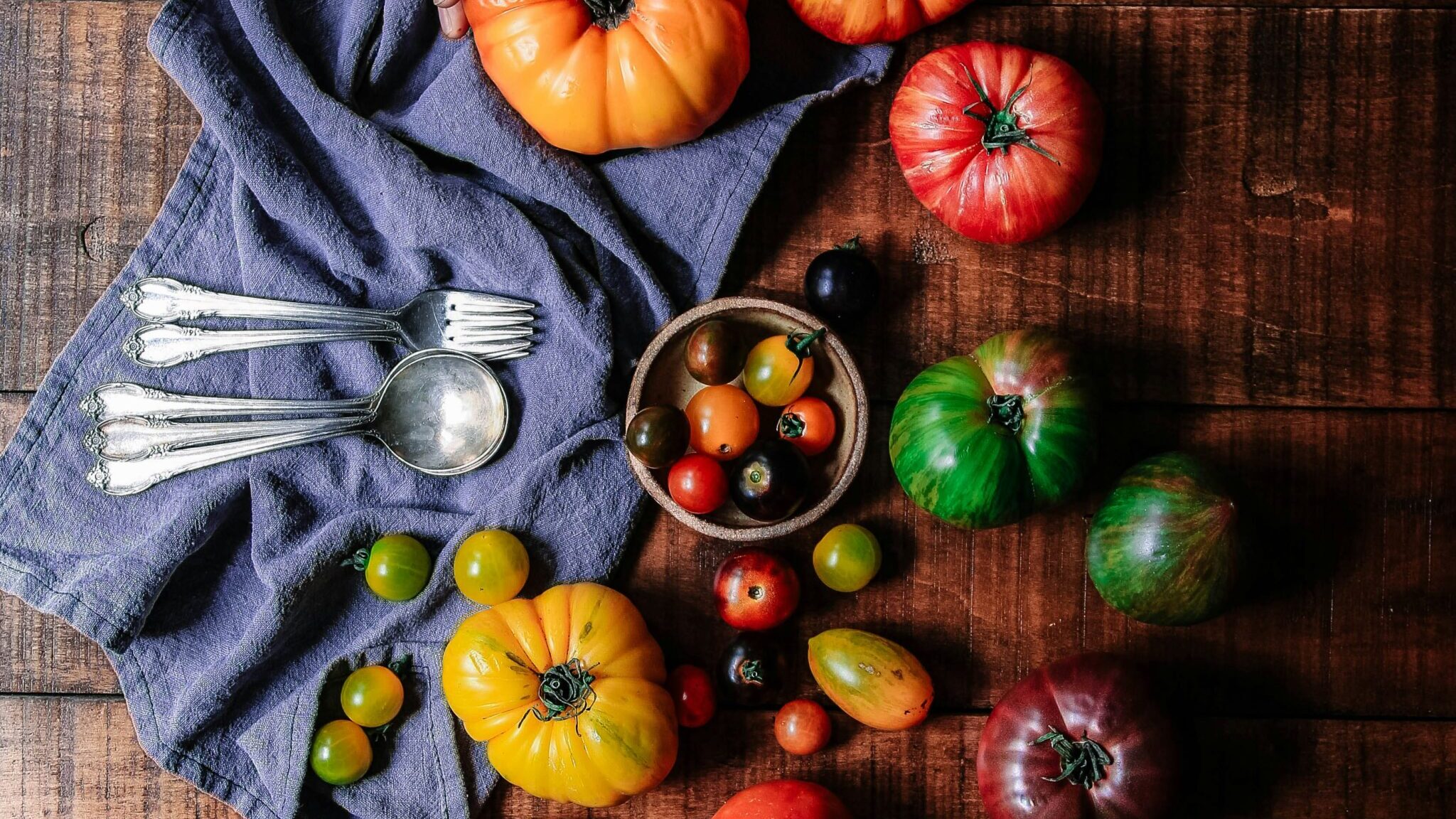
What food for men: Tomatoes

The World Health Organization recommends at least five portions of fruit and vegetables daily (equivalent to 400g) to reduce the risk of serious health issues. However, only about one in three UK men meet the 5 A DAY recommendation.

Including red fruits and vegetables, like tomatoes, is particularly beneficial for men’s health. Tomatoes are rich in lycopene, which may support prostate health and has potential cancer-protective effects (1). Processed tomatoes, such as puree and tinned chopped tomatoes, contain higher lycopene levels.

Benefits:

•Reduces the risk of chronic diseases.

•Provides essential vitamins and minerals, including zinc.

•Promotes digestive health and helps reduce LDL cholesterol.

Food Swaps and Tips:

•Use jarred tomato sauce for pasta dishes.

•Make a spicy salsa with chopped tomatoes, lime juice, chili, and coriander.

•Add chopped tomatoes to scrambled eggs.
Oily Fish

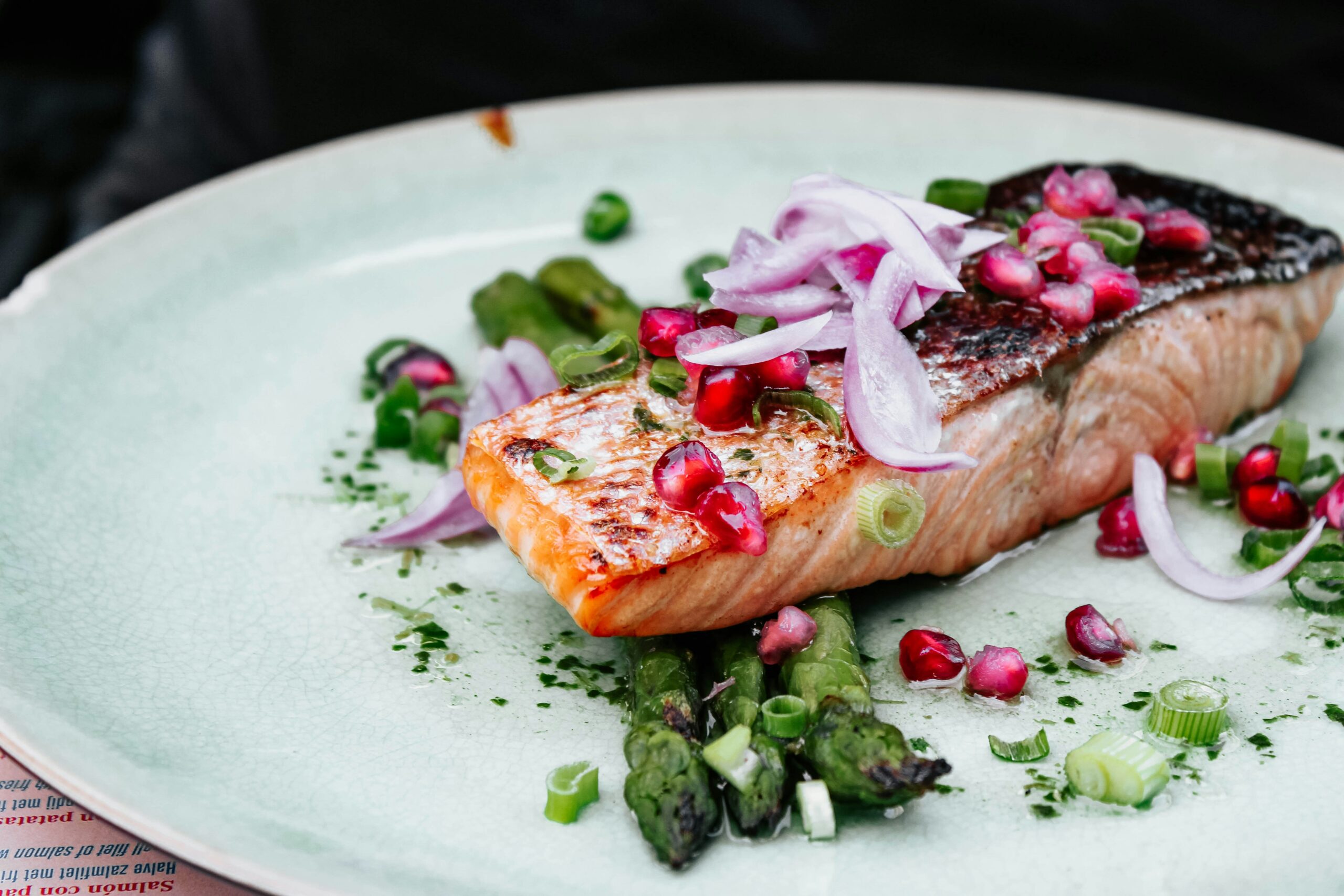
What food for men: Salmon

Oily fish, like salmon, mackerel, sardines, and trout, are rich in omega-3 fats, which may help prevent heart disease, and are a good source of vitamin D, essential for healthy bones and muscles. The recommendation is at least one portion (around 140g cooked) per week, but UK men generally eat less.

Men need to consider their bone health, as 1 in 5 have osteoporosis in the UK (2). Bone density deteriorates with age, and maintaining what you have laid down by your mid-20s is crucial. While the primary source of vitamin D is sunlight, including oily fish in your diet, especially during winter, is beneficial. A vitamin D supplement is also recommended during these months.

Benefits:

•Omega-3 fats support heart health by reducing inflammation and LDL cholesterol.

•Vitamin D strengthens bones and muscles and supports immunity.

•Omega-3s may protect the brain against age-related damage.

Food Swaps and Tips:

•Swap red meat for grilled salmon.

•Use canned salmon for sandwiches, jacket potatoes, or pasta sauces.

•Aim to eat one serving of oily fish weekly.
Reducing Saturated Fat

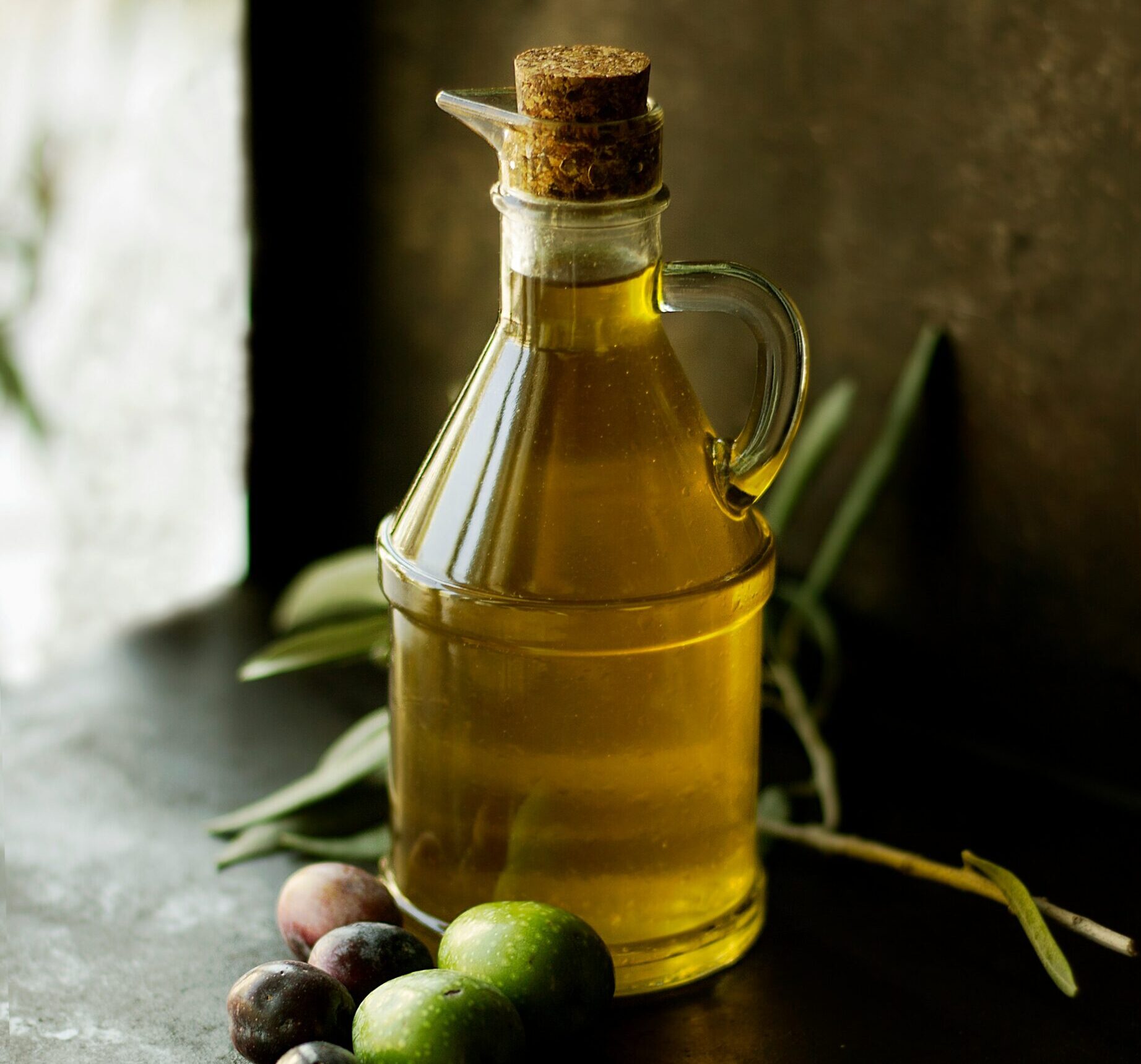
What food for men: Extra Virgin Olive Oil

Many UK men consume too much saturated fat, which raises LDL cholesterol levels and increases heart disease risk. Saturated fat should not exceed 10% of total energy intake, but it currently accounts for just over 12% in adult men.

Extra virgin olive oil is a healthier fat option. It helps reduce LDL cholesterol and increase HDL cholesterol, which is beneficial for heart health. The monounsaturated fats in olive oil reduce inflammation, and compounds like oleocanthal may protect against certain cancers, including prostate cancer. Extra virgin olive oil also enhances the absorption of lycopene from tomatoes and other red vegetables.

Benefits:

•Reduces the risk of heart disease.

•Helps maintain healthy cholesterol levels.

Food Swaps and Tips:

•Replace butter with extra virgin olive oil.

•Use olive oil for most cooking, except deep frying.

•Drizzle over vegetables to enhance lycopene absorption.
Reducing Salt Intake

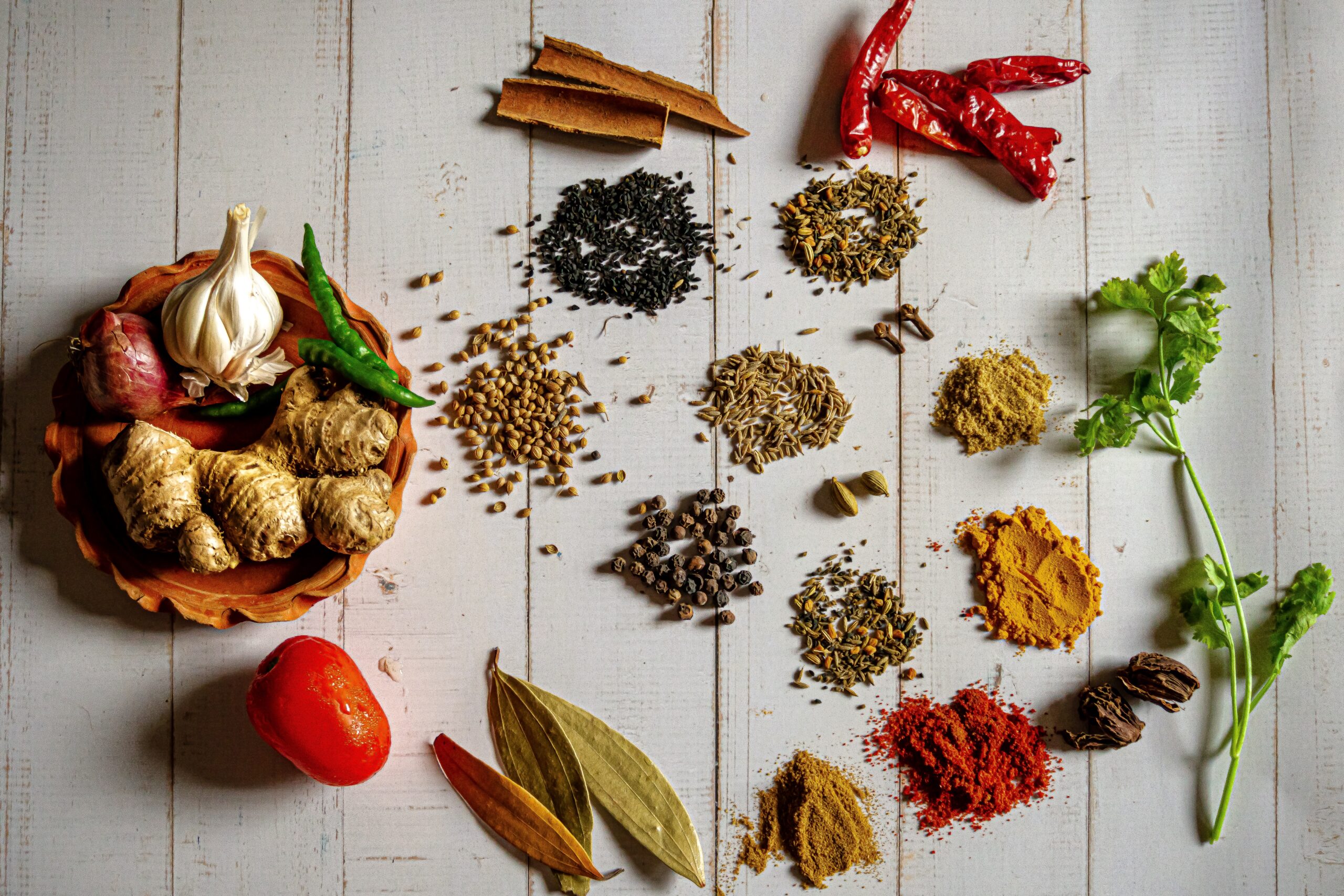
What food for men: All Dried Spices

The average daily salt intake for adult men in the UK is 9.2g, exceeding the recommended maximum of 6g. High salt intake increases the risk of high blood pressure and related diseases.

Dried spices are a good substitute for salt and provide zinc, which is important for maintaining normal testosterone levels, vital for reproductive health and muscle mass maintenance.

Benefits:

•Lowers the risk of high blood pressure.

•Promotes better cardiovascular health.

Food Swaps and Tips:

•Use spices instead of salt for seasoning.

•Sprinkle turmeric into scrambled eggs.

•Keep a versatile spice mix, like Cajun or curry powder, handy.
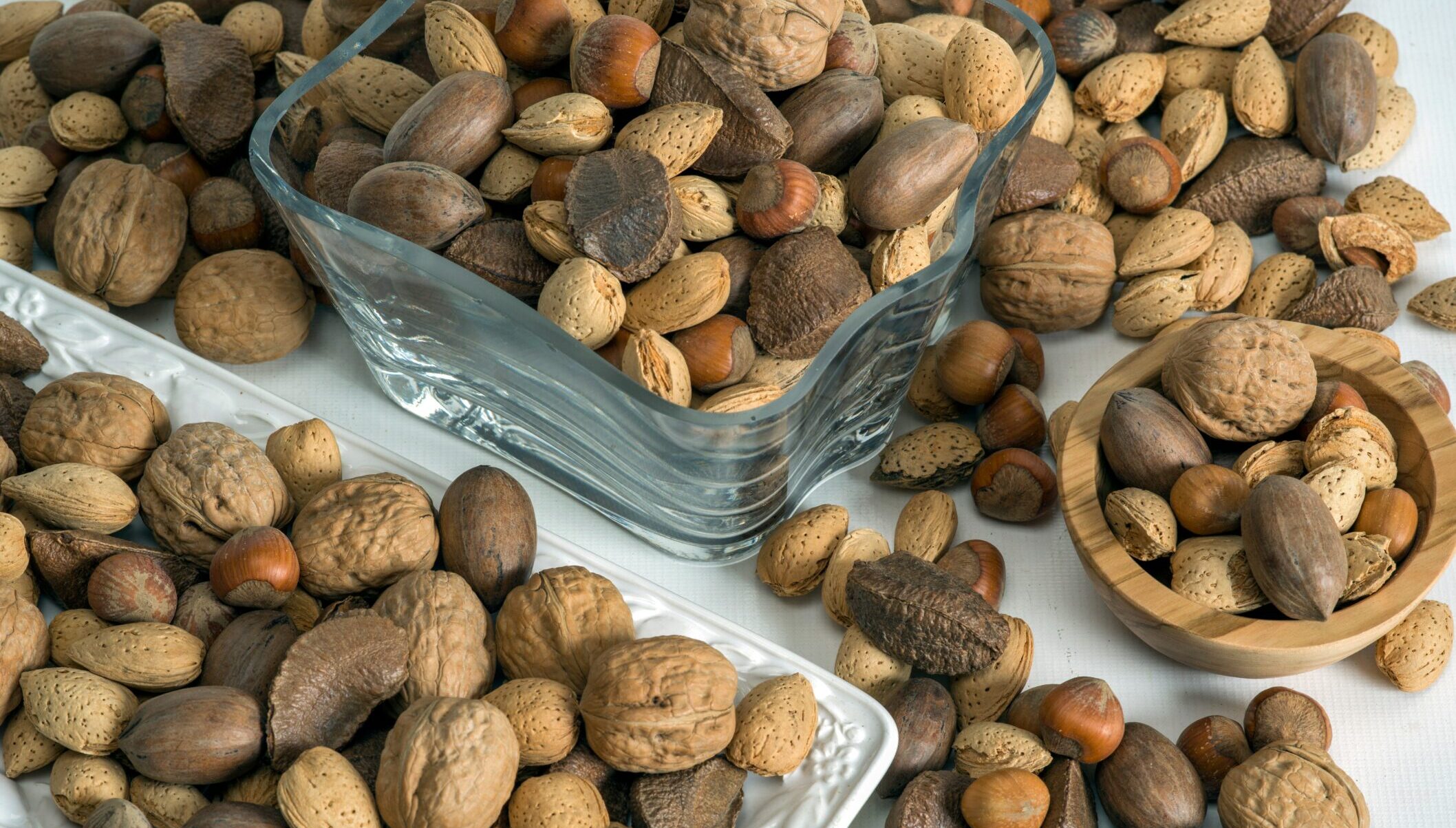
Increasing Fibre Intake

What food for men: Brazil Nuts

Only 12% of men get the recommended 30g of fiber daily. Fibre helps remove cholesterol, reduces blood pressure, aids weight management, and lowers cardiovascular disease risk (3) and reduce the risk of colorectal cancer which is the third most common cancer in men (4).

Nuts are a great way to increase fibre intake. Brazil nuts are particularly beneficial as they are high in selenium, essential for male fertility and normal testosterone production.

Benefits:

•Reduces the risk of cardiovascular disease.

•Helps maintain healthy cholesterol levels and blood pressure.

•Promotes digestive health.

Food Swaps and Tips:

•Crush Brazil nuts over yogurt, porridge, or salads.

•Eat three Brazil nuts daily for your selenium needs.

•Blitz in a food processor to make nut butter.

Additional Nutrients for Men’s Health

Eating a balanced diet following Mediterranean principles is key. Focus on reducing saturated fat and salt while increasing fiber, fruit, vegetables, and oily fish intake. These foods provide important nutrients like lycopene, zinc, and selenium. Making these dietary changes can significantly improve men’s health and reduce the risk of chronic diseases.

References

  1. https://pubmed.ncbi.nlm.nih.gov/35884603/
  2. https://pubmed.ncbi.nlm.nih.gov/35079919/
  3. https://www.ncbi.nlm.nih.gov/pmc/articles/PMC10612139/
  4. https://www.ncbi.nlm.nih.gov/pmc/articles/PMC7458778/
What are the health benefits of herbs and spices?

What are the health benefits of herbs and spices?

What is a herb and spice?

The definition of a spice is an aromatic part of a tropical plant, whether that is a root, bark, flower or seed and except for vanilla, chilli and allspice, nearly all of them are of Asian origin. Dried herbs are fresh herbs that have been dried to preserve them for storage and to concentrate their flavour.

Dried herbs and spices are used to flavour dishes but they also possess some interesting health benefits including anti-inflammatory, anti-bacterial and antioxidant properties.


Ginger

This pungent root is native to Southeastern Asian countries including China, India and Nepal and has citrus notes and a peppery flavour.

 Ginger has been shown to help quell nausea associated with morning sickness, chemotherapy and sea sickness. Ginger has also been shown to help reduce inflammation in the body with one study suggesting commonalities with aspirin or ibuprofen for pain treatment in those with osteoarthritis.

Turmeric 

Turmeric is native to Southern India and Indonesia and it features frequently in their local cuisine. This spice contains a compound called curcumin which acts as a powerful anti-inflammatory in the body and research has drawn similarities to the effects of ibuprofen for pain relief in those with joint conditions. Reducing inflammation is important as it is considered to contribute to the development of almost every chronic Western disease.


Cinnamon

The spice is sometimes called Ceylon cinnamon as this is the bushy evergreen tree it originates from which is native to Sri Lanka, India and Burma.

The active compound in cinnamon is called cinnamaldehyde which may help to fight bacterial infections in the body. Cinnamon has been shown to help reduce blood sugar levels by slowing the breakdown of carbohydrates in the digestive tract and improving insulin sensitivity.


Sage

This herb is a member of the mint family and is commonly used to flavour savoury dishes albeit in small amounts given its pungent aroma.

Sage is a rich source of vitamin K which is used by the body to help with blood clotting. This herb is also rich in over one hundred polyphenol compounds that act as antioxidants in the body. Sage is recommended to help treat symptoms of the menopause as it contains phytoestrogens which act in a similar way as human oestrogen but with less effect.

Basil

This aromatic herb originated in India and other tropical regions spanning Africa to Southeast Asia. Today the largest producers of basil are centred around the Mediterranean especially Italy.

Basil contains the antioxidants beta carotene and anthocyanins which can help to protect cells in the body from oxidative stress considered to increase the risk of many diseases. Other research is thin on the ground but has suggested other health benefits including the reduction of high blood pressure.

Thyme

This herb originates from Southern Europe and the western Mediterranean and has a floral scent and peppery taste. The Egyptians used thyme as part of the embalming process while the Greeks used it as incense in their temples.

Thyme is believed to have antimicrobial properties which are due to a class of compounds called biocides including thymol. Studies have suggested that this compound may help to reduce bacterial resistance to drugs such as penicillin. Thyme tinctures has also been researched as an effective way to help treat the skin condition acne.

Rosemary

This herb is native to the Mediterranean and is a member of the mint family. The pungent and slightly bitter taste of rosemary has made it a common addition to savoury mint dishes especially those involving lamb.

In its dried form Rosemary is a source of iron which can make it a useful addition to the diet of those at risk of anaemia which is more common in women than men. Rosemary is often used in alternative medicine as a way of treating indigestion and its essential oil may help to improve concentration and mood according to research.

Mint

This herb is native to North America, South Africa and Australia and some of the most common varieties include peppermint.

Research has suggested that mint (peppermint oil) may help with the management of IBS by relaxing the muscles of the small colon relieving pain during bowel movements. Mint also helps to relieve bloating by relaxing muscles that link to the stomach to the oesophagus allowing trapped air to be expelled.

Adding plenty of herbs and spices to your cooking is not only a delicious way to add flavour to the dishes you prepare but may hold a vital key to helping promote your long-term health.


The basics of plant-based eating to get you through Veganuary

The basics of plant-based eating to get you through Veganuary

Veganuary is a charity campaign encouraging people to try being vegan for January and, if possible, throughout the rest of the year.  Last year (2019) saw the greatest number of people involved in the Veganuary campaign as over 250K from 190 countries embarked on the month-long pledge.

What were the key findings from last year’s Veganuary campaign?

  • For the first time since the campaign began, health became the main driver (46%).
  • 34% of participants stated animal welfare and 12% environmental concerns as drivers for involvement in the campaign.
  • Most participants were women (87%).
  • The majority of participants were aged between 25 and 34 years old (28%).
  • 47% said they plan to remain vegan after Veganuary.
  • 77% said that while not planning to remain vegan after the campaign, they will try vegan again in the future.

How can you make a smooth transition to veganism?

Findings from last years Veganuary campaign showed that 60% found the challenge easier than anticipated.  The rise of vegan food on the high street (including both take-out and restaurant options) as well as the wide range of meat-free alternatives and snacks now available is likely to have helped many people switch to eating plant-based.

Cooking from scratch is always going to be a healthier option and while this may seem daunting it’s not difficult to ‘veganise’ many of your favourite home-cooked meals using these alternatives.

Seek out your preferred dairy alternative

Oat and soya milk have a richness which is similar to cow’s milk while those made from nuts, seeds and rice tend to be waterier.  Each alternative has its own unique flavour and out of all of them, soya has the highest amount of protein which may be an important factor for some people.

What you choose is a matter of personal preference so try all of them to see which one you prefer but always look for fortified varieties to help maintain good intakes of calcium and vitamin B12.

Soya is a good alternative to dairy yoghurt.  Other options include coconut milk and nut varieties including cashew, but they do come with a higher price tag.

Meat alternatives

There are a number of meat alternatives to choose from which include tofu and tempeh (made from soya), seitan (made from wheat gluten) and Quorn.  These foods are all high in protein and also contain a variety of other nutrients including magnesium, iron, zinc and calcium.

These options are available in many forms including mince, pieces and shredded which can be used to replace minced beef, chicken, pork and duck in many common home-cooked dishes.

You can find marinated varieties of tofu which are easier to use for beginners.  Tofu can also be scrambled as a good alternative to egg for breakfast.

Other interesting alternatives include jackfruit, palm hearts and banana blossom which have been used to emulate the look and texture of dishes such as pulled pork, scallops and breaded or battered fish.  While these options make a convincing alternative, they do lack the same protein content.

Fruits and vegetables

It sounds counter-intuitive to talk about fruit and vegetable consumption given the nature of a vegan diet but given only 30% of the population eat five-a-day (1), it’s worth flagging up for those going vegan for January.

This groups of foods are a key source of vitamins, minerals and phytonutrients that help to protect the body from disease.  Including above and beyond five daily servings is important on a vegan diet to glean as many of these nutrients as possible.

Given the availability of vegan processed and ready-made meal options as well as the rise in vegan ‘junk’ food it is easy to exist on this type of diet without eating enough vegetables.

Keep it in mind to always add more vegetables to the dishes you cook.  You can boost your intake with smoothies and dishes such as soups, casseroles, stews and stir-fry’s which can be bulked out with plenty of vegetables.   Varieties such as spinach and peas are really easy to throw into many dishes.

Explore different flavours

The absolute key to great tasting vegan dishes lies in the spices and marinades used to make them. Meat alternatives, beans, pulses and grains can be a little bland so make use of dried spices and spice blends, sauces (e.g. cook-in sauces, soy sauce, sriracha, harissa), fresh herbs, flavoured oils and dried fruit to add flavour.

You can create a strong savoury flavour (umami) by incorporating ingredients such as nutritional yeast, mushrooms (especially dried made into a stock), seaweed, miso paste, tomato puree, sundried tomatoes, soy sauce and nuts into dishes.   Vegetables such as onions, garlic, beetroot, asparagus and tomatoes also help to create umami which is often enhanced when they’re cooked.

Shop-bought dressings are great, but you should explore recipes from cookbooks and on the web for homemade options which are bursting with flavour and include additional ingredients such as tahini, miso, citrus juices, pomegranate molasses and umeboshi paste.

Don’t be put-off by unusual ingredients that seem a bit ‘fancy’ as they are all now widely available  in supermarkets and not too expensive.  Many of these ingredients keep for a while and dressings can be made in bulk and kept in the fridge.

Beans, pulses and lentils

No vegan diet is complete without these highly nutritious ingredients which supply protein, fibre, magnesium, iron, zinc and calcium.

This group of foods are available canned or in ambient packs which is more convenient than soaking overnight and then boiling to cook. They’re really versatile and can be used to make vegan dishes such chilli, curries, soups, stews and salads to bulk them out and increase their nutrient content.  Chickpeas and soya beans make a good snack when roasted with spices.

Grains

All grains are vegan and can be used as a base for many dishes.  These foods are a useful source of protein as well as zinc, magnesium and B vits.  Grains such as rice, barley and spelt as well as pseudo-grains such as quinoa can be used to make salads to which you can add anything to and make in bulk to use across the week. You can also add cooked grains to soups or sprinkle over vegetable salads.

Snacks

Some people may find they need to supplement their diet with snacks across the day if they need to eat more food to meet the demands of their lifestyle.

Easy vegan snacks include dips with pitta or chopped veggies,  dried fruit and nut bars, dairy-free yoghurt (topped with nuts, seeds or dried fruits), rice cakes (topped with nut butter, guacamole or mashed banana), edamame beans, nuts, seeds or roasted chickpeas.  Smoothies and shakes are also good and can be made to be high in protein.

Fortified foods and supplements

There’s no reason why you can’t get everything you need on a vegan diet, but it can be tricky to start with for some people.  Seek out fortified varieties of foods, especially those containing vitamin B12 which is difficult to obtain on a vegan diet.Food should always come first but if you’re worried that your diet may not very well balanced then a basic vegan multivitamin and mineral supplement is a cost-effective way to bridge any gaps.  Young children, particularly fussy eaters and also teenage girls are groups that will probably benefit from a supplement especially when going vegan.

It’s not that difficult to switch to a vegan diet once you know what’s available and how to modify your favourite everyday meals.  Don’t rely solely on ready-prepared vegan dishes and stick to the basic principles of healthy eating (it’s just as easy to eat an unhealthy diet when going vegan).

Try and use Veganuary as an opportunity to explore recipes that use ingredients which may be new to you.  This campaign is also a great opportunity for you to commit to new eating habits that can extend beyond January and help you to improve your overall long-term health.


Try this simple one week vegan menu plan to kick start your Veganuary.


References

  1. https://www.gov.uk/government/statistics/ndns-results-from-years-7-and-8-combined