tofu

Home / Posts tagged "tofu"
The guide to building muscle

The guide to building muscle

Achieving a muscular physique is a goal cherished by many, but few realise the dedicated blend of targeted exercise and nutritional strategy it demands. This objective is not solely the preserve of powerlifters, wrestlers, and other strength athletes. In fact, anyone, whether aiming for a lean or more robust build, can tap into these techniques for body transformation.

The Science of Muscle Building

Before diving into the foods that can help you to build muscle, it’s essential to understand the underlying mechanics of muscle growth. Muscles increase in size through hypertrophy—a process triggered by resistance training. During such workouts, minute tears occur within the muscle fibres. The subsequent repair of these fibres results in muscle growth, underlining the necessity of balancing strenuous exercise with sufficient rest periods.

But here’s the catch: muscle-building is not just about hitting the gym. Nutrition plays a crucial, often understated role. A diet aimed at muscle growth should not only support fibre repair but also maintain overall health to sustain regular training regimes.

Protein: The Building Block of Muscles

At the core of muscle repair and growth is protein. As proteins break down, they yield amino acids, which facilitate the reconstruction of muscle fibres. Thus, the equilibrium between muscle protein synthesis and breakdown dictates the magnitude of muscle growth. Post-exercise, consuming an ample amount of protein can tip this balance towards muscle growth.

However, a frequent question is: How much protein should I eat?

For athletes, the daily recommended intake ranges between 1.2-2g per kg of bodyweight, a figure significantly above the general populations 0.75g/kg. So, someone weighing 70kg would target a daily protein consumption of 91-119g. For those aiming to shed weight while retaining muscle, a higher protein intake (1.8g to 2.7g per kg/bodyweight) combined with a 15% caloric deficit is advisable.

The timing of protein intake is equally crucial. Aim for 25g within an hour post-workout, infused with 2-3g of leucine, an amino acid known to stimulate muscle protein synthesis. It’s also wise to spread out protein consumption throughout the day, ensuring a steady influx of amino acids for muscle growth. The anabolic window has been shown to stay open for up to 24 hours after training so drip feeding the body with protein every 3-4 hours is just as important as the post-training dose. You should aim for at least 20g protein per meal.

Leucine and muscle protein synthesis

This branched chain amino acid is essential for muscle protein to take place as it initiates the process of building and regenerating muscle (muscle protein synthesis) which is important for people trying to increase their mass. Leucine increases muscle protein synthesis by stimulating the mammalian target of rapamycin complex (mTOR) signalling pathway which results in new muscle proteins.

People following a plant-based diet can combine protein foods to get 2-3g leucine per meal.

Carbohydrates: More Than Just Energy

Carbs are not merely about energy. In the context of muscle building, they play a pivotal role. Carbohydrates fuel workouts, ensuring maximum muscle stimulus. They also safeguard protein. Depleted glycogen stores can prompt the body to derive energy from amino acids—potentially hampering muscle growth. Post a high-intensity session, a 3:1 carbohydrate-to-protein ratio can be ideal for both glycogen restoration and muscle building. Think a banana and a 600ml milk or protein shake.

Muscle Foods: The Fantastic Five

Chicken Breast

Protein Punch: 24g per 100g.

Leucine Load: 80g chicken gives 2g leucine.

Muscle Magic: This lean meat is packed with protein, which is essential for muscle repair and growth. Chicken also provides essential vitamins and minerals, especially B vitamins, which play an important role in converting food into energy to help fuel your workouts.

Incorporation Ideas: Chicken is very versatile and works well in a simple stir fry or grilled plain. You can also use chicken mince as an alternative to red meat in dishes like chilli or combine with sliced spring onions and herbs and roll into meatballs served with spaghetti and spice tomato sauce.

Eggs

Protein Punch: 13g per 2 eggs.

Leucine Load: 4 eggs dish out 2g leucine.

Muscle Magic: Eggs are a powerhouse of protein. The yolk contains vitamin D, crucial for bone health and muscle function as well as supporting immunity during the winter months saving off colds and coughs. Additionally, eggs contain leucine, an amino acid essential that the body relies on for muscle protein synthesis making them a great post workout breakfast meal option.

Incorporation Ideas: Eggs can be used to make a meal at any time of day and are also a cost-effective protein option. Try scrambled eggs with smoked salmon for an extra shot of vitamin D or shakshuka (baked eggs in spicy tomato sauce) for a quick and easy evening meal or weekend brunch.

Greek Yogurt

Protein Punch: 10g per 100g.

Leucine Load: 200g serves up 2g leucine.

Muscle Magic: Like all dairy foods, yoghurt has a unique blend of fast-digesting whey protein and slow-digesting casein protein, making it highly effective for muscle growth. Yoghurt makes a great bedtime snack to help with muscle growth while you sleep as it drip feeds the body with a protein.

Incorporation Ideas: Yoghurt can be added to smoothies, porridge, and breakfast cereal to help boost the protein content. Try also adding a dollop of yoghurt to vegetarian protein-based meals like chilli, soups and stews made with tofu, Quorn or legumes.

Tofu and other soy foods

Protein Punch: 9g per 100g.

Leucine Load: 220g gives 2g leucine.

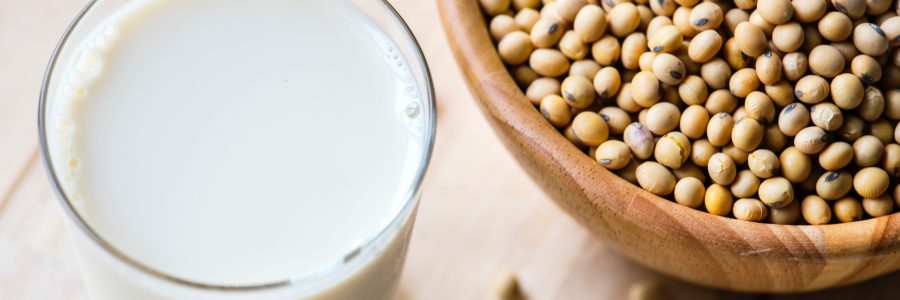
Muscle Magic: For those on a plant-based diet, tofu is a protein saviour as it is one of the few plant-based proteins to contain all the essential amino acids. Tofu is made from soyabeans which can be eaten alone (edamame beans) or used to make other foods such as milks, tempeh, and miso. As well as protein, tofu and other soy foods are rich in calcium that supports bone and muscle strength as muscle function, and iron to support healthy red blood cells that deliver oxygen around the body.

Incorporation Ideas: Tofu can be added to smoothies to boost their protein content or added to stir fries and curries in place of meat. Edamame beans are also easy to include in your diet and can be eaten as a snack on their own, made into a dip or added to salads and stir fries.

Almonds

Protein Punch: 21g per 100g.

Leucine load: 130g almonds give 2g leucine.

Muscle Magic: Almonds are a good source of protein and a healthy way to increase you overall energy intake which is important when trying to gain muscle mass. These nuts are also rich in calcium and magnesium to help support muscle function. A published study conducted by the Almond Board of California found that a serving of almonds helped to reduce fatigue, tension and muscle soreness during recovery and decreased muscle damage during the first day of recovery post-exercise. These findings are likely due to the healthy fats and vitamin E content (1).

Incorporation Ideas: Almonds are a perfect snack to keep in your kit bag to keep yourself topped up with protein across the day. These nuts also make a great protein booster to any meal, and you can add them on top of salads or incorporate them into grain dishes such as couscous. Ground almonds can also be sued to make homemade protein bars alongside mashed chickpeas, honey and nut butter.

Building muscle is part science, part art. While workouts craft the canvas, nutrition paints the masterpieceproviding you the nutrients to support muscle growth.

References
1. Nieman, D. C., Omar, A. M., Kay, C. D., Kasote, D. M., Sakaguchi, C. A., Lkhagva, A., Weldemariam, M. M., & Zhang, Q. (2023). Almond intake alters the acute plasma dihydroxy-octadecenoic acid (DiHOME) response to eccentric exercise. Frontiers in nutrition, 9, 1042719. https://doi.org/10.3389/fnut.2022.1042719
A natural approach to reducing cholesterol

A natural approach to reducing cholesterol

A natural approach to reducing cholesterol

Cardiovascular disease (CVD) is an umbrella term for a group of conditions that comprise all heart and circulatory diseases which includes coronary heart diseases (CHD), angina, heart attack, congenital heart disease, hypertension, stroke and vascular dementia.  This collection of conditions contributes to the most common cause of death. The risk of developing CVD is closely linked to lifestyle and dietary habits and the foods you choose to eat can have a big impact both on blood fats and body weight.

A poor diet is characterised by foods which are high in sugar and unhealthy fats.   The impact of this type of diet on your health is amplified by the amount of food you eat, which dictates your body weight (a risk factor for CVD).  High cholesterol is a risk factor for CVD and according to statistics from the charity organisation Heart UK, more than half of all adults have raised cholesterol levels. Adopting a healthy lifestyle through diet and exercise can help to lower your cholesterol and as such reduce your risk of disease.

What is cholesterol?

Cholesterol is a waxy substance found in your blood and in your cells. Your liver makes most of the cholesterol in your body and the rest comes from foods you eat. Cholesterol itself isn’t bad and your body needs it to make hormones, vitamin D, digestive fluids and for your organs to function properly.

There are two forms of cholesterol:

Low-density lipoprotein (LDL) is the unhealthy kind of cholesterol often referred to as ‘bad’.  LDL cholesterol can build up in your arteries and form fatty, waxy deposits called plaques.

High-density lipoprotein (HDL) is the healthy kind of cholesterol often referred to as ‘good’. It transports excess cholesterol out of your arteries to your liver, which removes it from your body.

What happens if you have high cholesterol?

High cholesterol itself doesn’t usually cause any symptoms, but it does increase your risk of serious health conditions.  Over time, high levels of LDL cholesterol, especially when oxidised, can damage your arteries, contribute to heart disease, and increase your risk of stroke. Oxidised LDL cholesterol is more likely to stick to the walls of your arteries to form plaques that clog blood vessels.  Smaller LDL particles are more likely to become oxidised by way of excess free radicles, which can build up as a result of smoking, poorly controlled diabetes, excess sugar, excess trans fats and stress.  Oxidised LDL cholesterol can increase inflammation, which over time has the potential to damage tissues and organs in the body.

What can increase your risk of having raised cholesterol?

Many factors can increase your chances of having heart problems or a stroke if you have high cholesterol.

  • An unhealthy diet– especially if rich in saturated fat and sugar, whilst lacking in vegetables
  • Smoking- one particular chemical found in cigarettes called acrolein stops HDL from functioning properly, which can lead to narrowing of the arteries (atherosclerosis)
  • Diagnosed with diabetesor high blood pressure (hypertension)
  • A family history of heart disease

Exercise also plays an important role

Being overweight and not exercising affects the fats circulating within the bloodstream.  Carrying excess weight can increase levels of LDL cholesterol, whilst being inactive can depress protective HDL cholesterol. Maintaining a healthy weight and exercising can help to reverse these effects on cholesterol.

Where does diet fit into the equation?

Certain foods have been shown to reduce cholesterol and can be used alongside medication or as a natural approach to tackling raised cholesterol.  Certain foods work in different ways to lower cholesterol through the effect of soluble fibre (removes LDL cholesterol from the body), unsaturated fats (rebalances cholesterol levels) and plant sterols, which block the body from absorbing cholesterol.

There’s a misconception that foods naturally high in dietary cholesterol such as eggs and shellfish are harmful, but the effect of these foods has little impact.  Cholesterol production is tightly regulated and most of what circulates in the body is made ‘in-house’.  It’s the overconsumption of foods high in sat fats and sugar, and not dietary cholesterol that prompts the body to create excess.

Foods that help to lower and maintain healthy cholesterol levels

Certain foods have been shown to have a beneficial role in lowering and maintaining healthy levels of cholesterol including:

  • Oats
  • Barley
  • Beans, pulses and lentils
  • Nuts
  • Foods fortified with plant sterols
  • Oily fish
  • Soy foods

Ideas for food swaps that can help you to reduce your cholesterol levels

These food swaps encompass the foods that have been shown to help lower and maintain healthy levels of cholesterol.

Breakfast cereal for oats

UK dietary guidelines suggest that we aim to eat 30g of fibre per day but findings from the National Diet and Nutrition Survey have shown that most people only manage to achieve two thirds of this target and that only 9% of men and 4% of women meet the guidance (1).

As far as cholesterol is concerned, it’s soluble fibre that has the greatest impact.  These fibres dissolve in the gut to form a thick paste that binds with cholesterol and cholesterol like substances preventing them from being absorbed.  Oats contain a type of fibre known as oat beta glucan. To get the greatest benefit, research has suggested aiming to eat 3g of oat beta glucan per day (2-4 portions of oat-based foods) and shown that this may help to reduce LDL cholesterol by up to 10% over 4 weeks (2).

Swap you usual cereal for something oat based.  Oats can be used to make porridge or soaked oats, and granola is a tasty option to top yoghurt.  You can also add oats to breakfast smoothies.

Cow’s milk for soy alternative

The protein found in soy-based foods such as tofu, edamame beans and soy milk have been shown to help reduce levels of LDL cholesterol and form a key part of the Portfolio diet. Research has suggested that a 25g daily intake of soy protein can help to lower LDL cholesterol by up to six percent (3).

Food Average serving size Soy protein per serving
Soya milk alternative 250ml 7.5g
Soya yoghurt alternative 125g 5g
Edamame beans 80g 9.3g
Soya nuts (roasted) 30g 15g
Soya mince 100g 16.4g
Tofu 75g 12g
Soya dessert 125g 3.8g

Switching cow’s milk with a soy alternative is a useful way to increase your intake of soy protein.  This alternative can be used in the same way as milk but look for a brand that’s fortified with calcium.

Chocolate bar for dried fruit and nut bar

Processed foods such as chocolate bars are not just high in saturated fat but also added sugars, which can increase levels of LDL cholesterol if eaten in excess.  Dried fruit and nut bars contain less saturated and more monounsaturated fats, which are found in nuts.  Monounsaturated fats help to lower LDL cholesterol and increase HDL cholesterol. Various studies have shown how nuts including almonds, peanuts and walnuts in your diet (50g per day) can slightly lower LDL cholesterol by up to five percent (4).

Dried fruits also have heart healthy properties as they contain resveratrol, which is a polyphenol antioxidant thought to be associated with good heart health.  Sultanas and raisins are particularly high in resveratrol.

Cream for low fat yoghurt

Cream is another food that is high in saturated fat, which can increase your levels of LDL cholesterol.  Saturated fat is not all bad and it does also help to lower triglycerides and nudge up levels of HDL cholesterol when eat in moderation.

Switching to low fat yoghurt over cream is a simple food swap that can be used in the same way when cooking.  You can flavour yoghurt with spices such as cinnamon, vanilla or lemon juice, which makes a nice accompaniment to fruit or fruit-based puddings.

The topic of saturated fat and its role in heart disease is one that continues to cause debate. Regardless of opinion, limiting your saturated fat intake, especially from processed foods will help to maintain a healthy body weight and balance out cholesterol levels.

Butter for low fat spread fortified with plant sterols such as Benacol

The market for functional foods has grown in recent years and at the forefront are plant sterols, which have been shown to help reduce LDL cholesterol.  Plant sterols are extracted from plant gums and help to lower LDL cholesterol by inhibiting it from being absorbed in the body.  Foods with added plant sterols include spreads, milk, orange juice and yoghurt, which can all easily be incorporated into the diet.

Research has shown that consuming 2g of plant sterols per day can lower LDL cholesterol by around ten percent (5).  Try swapping butter for a lower fat spread fortified with plant sterols.

Red meat for oily fish

Red meat, especially fatty varieties, are rich in saturated fat, which can raise levels of LDL cholesterol.  There are many benefits associated with limiting your intake of red meat, which include reducing the risk of colorectal cancer.  Opting for alternative source of protein can be beneficial and oily fish such as salmon, mackerel and trout not only help to regulate cholesterol levels but contain omega 3 fatty acids that have been shown to reduce the risk of heart disease.

Omega 3 fatty acids increase HDL cholesterol and reduce LDL cholesterol as well as reducing triglycerides in the bloodstream.  Swapping red meat for oily fish can reduce your overall intake of saturated fat and offer the benefits associated with omega 3 fatty acids.

White rice for barley

Like oats, barley contains beta glucans that have been shown to help reduce LDL cholesterol.  Beta glucan binds to bile acids in the gut which increases their excretion from the body. This reduced level of bile acids stimulates its production in the liver. In order for the liver to synthesise bile acids it requires LDL cholesterol, which is drawn from circulation in the body. The net effect is a reduction in circulating LDL cholesterol.

Barley can be used in place of rice and works really well in risottos.

Raised cholesterol is a risk factor for heart disease but is easily reversed by the adoption of healthy diet and lifestyle habits, which also influence many other areas of health. If you have high cholesterol and want to approach it from a diet perspective, then including the foods above can help you to achieve the greatest impact.

If you liked this blog and want to learn more about diet and cholesterol then try reading these:

How easy is it to get your ten-a-day?

Turmeric chicken with Asian slaw recipe

Mexican prawn and black bean salad recipe

Super green stir-fry with smoked tofu recipe 

Avocado and white bean smash recipe 

Nutty couscous and veggie salad recipe 

Oat Bircher muesli recipe 

Edamame bean salad recipe


References

  1. https://www.gov.uk/government/statistics/ndns-results-from-years-7-and-8-combined
  2. https://www.ncbi.nlm.nih.gov/pubmed/21631511
  3. https://www.ncbi.nlm.nih.gov/pmc/articles/PMC5409663/
  4. https://www.ncbi.nlm.nih.gov/pubmed/16140880
  5. https://www.ncbi.nlm.nih.gov/pubmed/24468148