Fibre

Home / Posts tagged "Fibre"
The state of mens health and five foods they need to eat every week

The state of mens health and five foods they need to eat every week

As a male nutritionist, I’ve seen firsthand the benefits of certain foods in promoting men’s health. Understanding the dietary habits of men in the UK reveals some interesting trends and highlights areas for improvement. Here are specific foods men should incorporate more into their diets due to their rich nutrient content beneficial for men’s health.

Current Dietary Trends in UK Men

Many men in the UK do not meet the dietary recommendations for fruit and vegetable intake, fiber, and omega-3 fatty acids, while consuming excessive amounts of saturated fat and salt. These patterns increase the risk of heart disease, high blood pressure, cancer, and other health issues.
Fruits and Vegetables

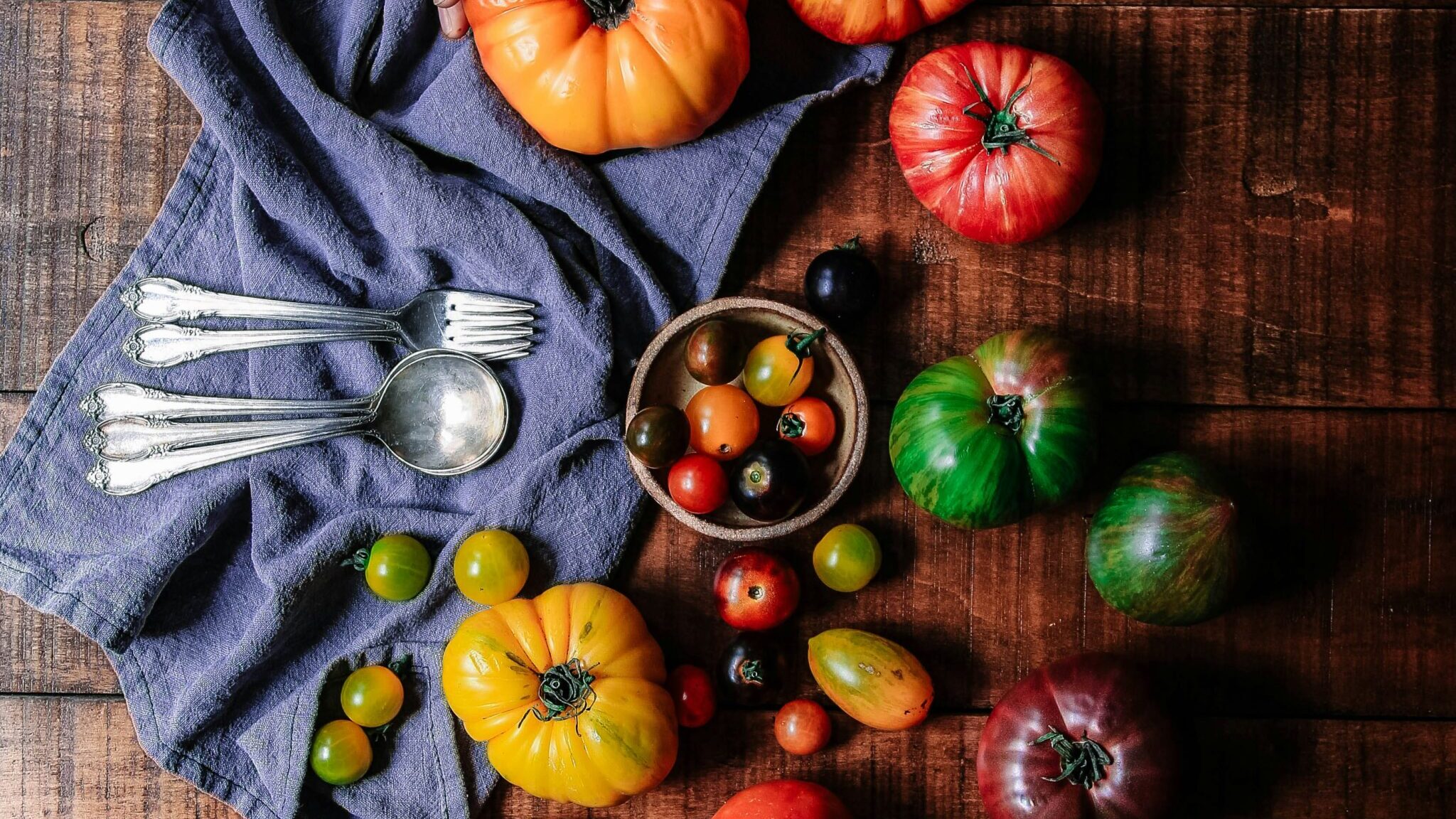
What food for men: Tomatoes

The World Health Organization recommends at least five portions of fruit and vegetables daily (equivalent to 400g) to reduce the risk of serious health issues. However, only about one in three UK men meet the 5 A DAY recommendation.

Including red fruits and vegetables, like tomatoes, is particularly beneficial for men’s health. Tomatoes are rich in lycopene, which may support prostate health and has potential cancer-protective effects (1). Processed tomatoes, such as puree and tinned chopped tomatoes, contain higher lycopene levels.

Benefits:

•Reduces the risk of chronic diseases.

•Provides essential vitamins and minerals, including zinc.

•Promotes digestive health and helps reduce LDL cholesterol.

Food Swaps and Tips:

•Use jarred tomato sauce for pasta dishes.

•Make a spicy salsa with chopped tomatoes, lime juice, chili, and coriander.

•Add chopped tomatoes to scrambled eggs.
Oily Fish

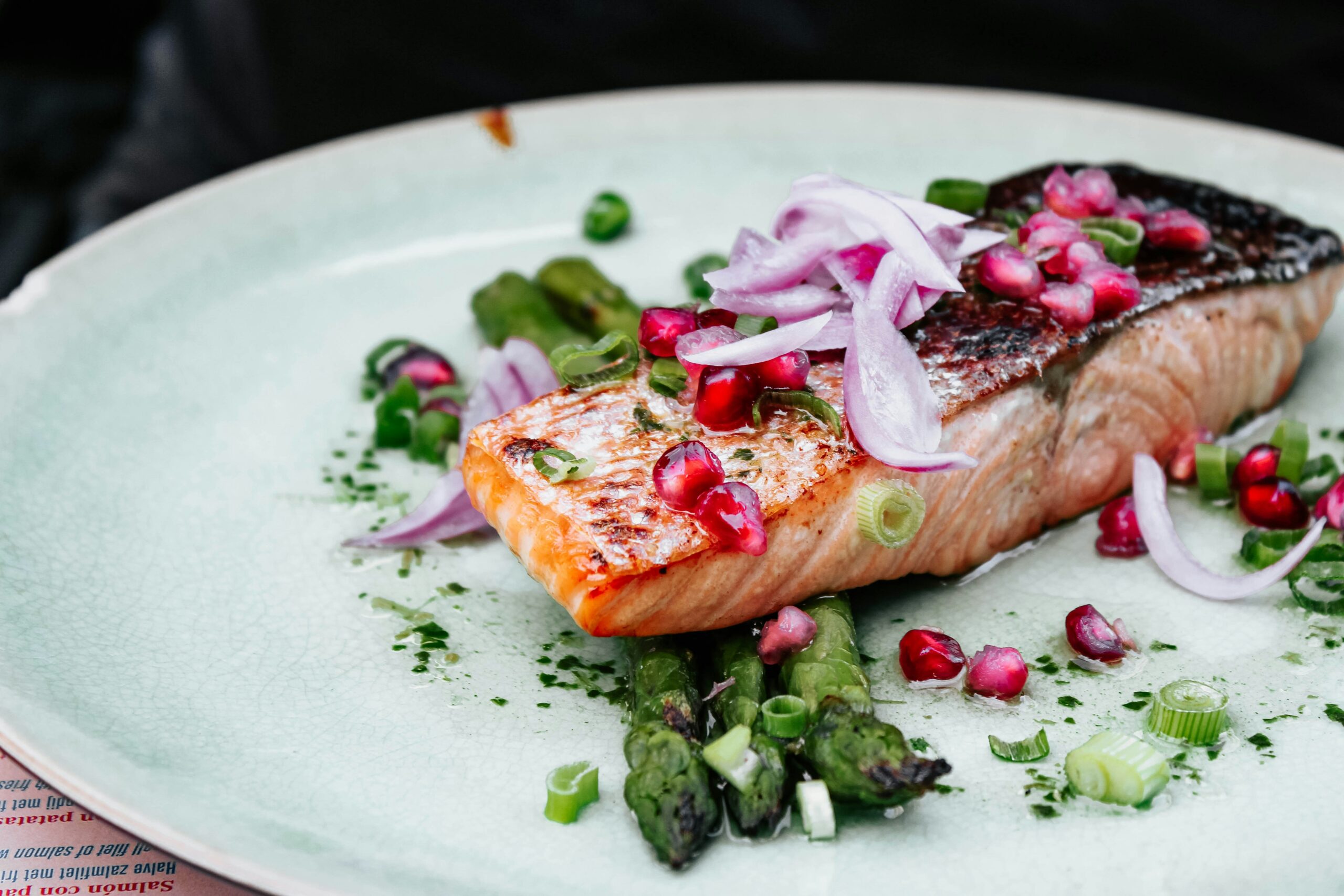
What food for men: Salmon

Oily fish, like salmon, mackerel, sardines, and trout, are rich in omega-3 fats, which may help prevent heart disease, and are a good source of vitamin D, essential for healthy bones and muscles. The recommendation is at least one portion (around 140g cooked) per week, but UK men generally eat less.

Men need to consider their bone health, as 1 in 5 have osteoporosis in the UK (2). Bone density deteriorates with age, and maintaining what you have laid down by your mid-20s is crucial. While the primary source of vitamin D is sunlight, including oily fish in your diet, especially during winter, is beneficial. A vitamin D supplement is also recommended during these months.

Benefits:

•Omega-3 fats support heart health by reducing inflammation and LDL cholesterol.

•Vitamin D strengthens bones and muscles and supports immunity.

•Omega-3s may protect the brain against age-related damage.

Food Swaps and Tips:

•Swap red meat for grilled salmon.

•Use canned salmon for sandwiches, jacket potatoes, or pasta sauces.

•Aim to eat one serving of oily fish weekly.
Reducing Saturated Fat

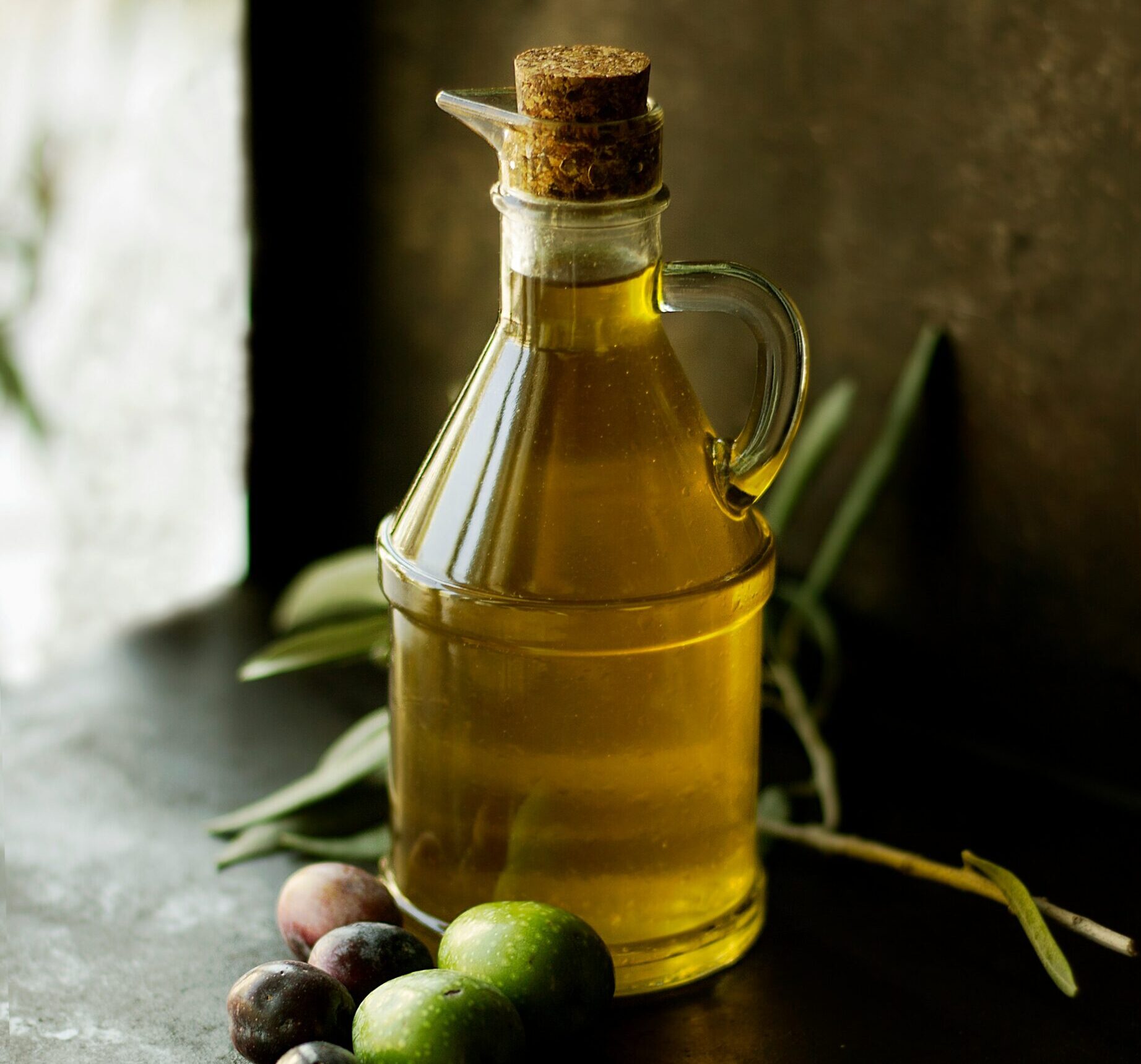
What food for men: Extra Virgin Olive Oil

Many UK men consume too much saturated fat, which raises LDL cholesterol levels and increases heart disease risk. Saturated fat should not exceed 10% of total energy intake, but it currently accounts for just over 12% in adult men.

Extra virgin olive oil is a healthier fat option. It helps reduce LDL cholesterol and increase HDL cholesterol, which is beneficial for heart health. The monounsaturated fats in olive oil reduce inflammation, and compounds like oleocanthal may protect against certain cancers, including prostate cancer. Extra virgin olive oil also enhances the absorption of lycopene from tomatoes and other red vegetables.

Benefits:

•Reduces the risk of heart disease.

•Helps maintain healthy cholesterol levels.

Food Swaps and Tips:

•Replace butter with extra virgin olive oil.

•Use olive oil for most cooking, except deep frying.

•Drizzle over vegetables to enhance lycopene absorption.
Reducing Salt Intake

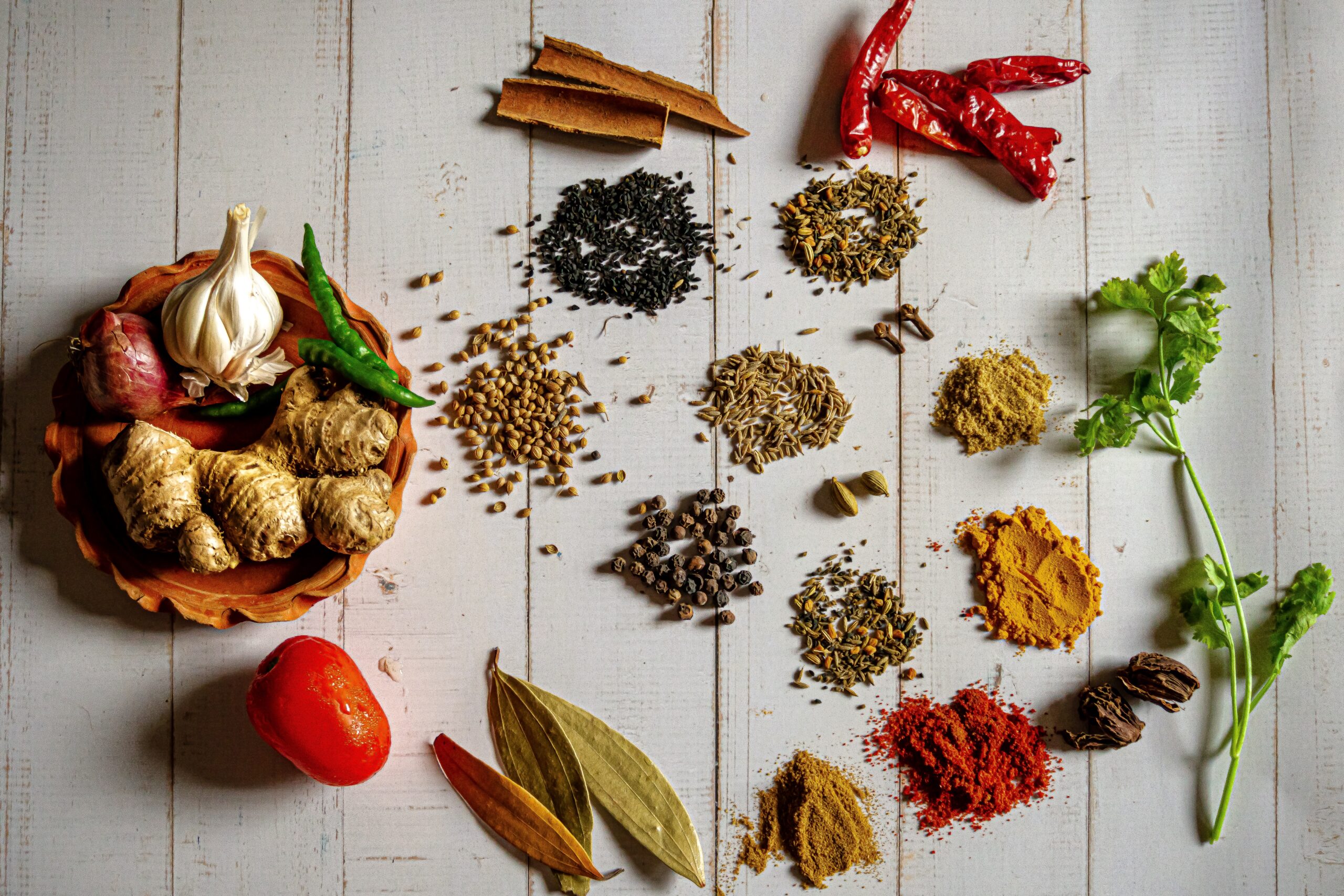
What food for men: All Dried Spices

The average daily salt intake for adult men in the UK is 9.2g, exceeding the recommended maximum of 6g. High salt intake increases the risk of high blood pressure and related diseases.

Dried spices are a good substitute for salt and provide zinc, which is important for maintaining normal testosterone levels, vital for reproductive health and muscle mass maintenance.

Benefits:

•Lowers the risk of high blood pressure.

•Promotes better cardiovascular health.

Food Swaps and Tips:

•Use spices instead of salt for seasoning.

•Sprinkle turmeric into scrambled eggs.

•Keep a versatile spice mix, like Cajun or curry powder, handy.
Increasing Fibre Intake

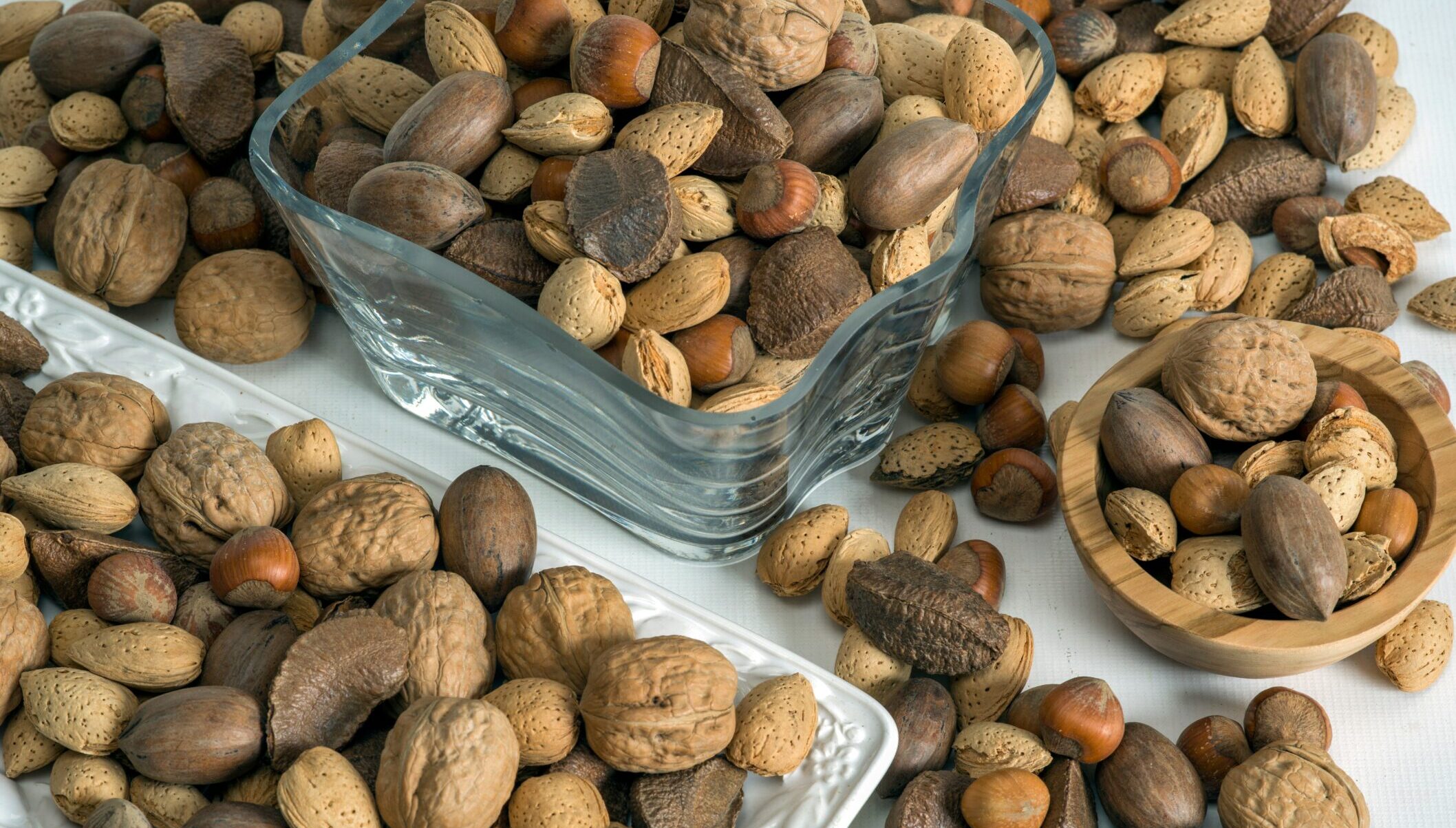
What food for men: Brazil Nuts

Only 12% of men get the recommended 30g of fiber daily. Fibre helps remove cholesterol, reduces blood pressure, aids weight management, and lowers cardiovascular disease risk (3) and reduce the risk of colorectal cancer which is the third most common cancer in men (4).

Nuts are a great way to increase fibre intake. Brazil nuts are particularly beneficial as they are high in selenium, essential for male fertility and normal testosterone production.

Benefits:

•Reduces the risk of cardiovascular disease.

•Helps maintain healthy cholesterol levels and blood pressure.

•Promotes digestive health.

Food Swaps and Tips:

•Crush Brazil nuts over yogurt, porridge, or salads.

•Eat three Brazil nuts daily for your selenium needs.

•Blitz in a food processor to make nut butter.

Additional Nutrients for Men’s Health

Eating a balanced diet following Mediterranean principles is key. Focus on reducing saturated fat and salt while increasing fiber, fruit, vegetables, and oily fish intake. These foods provide important nutrients like lycopene, zinc, and selenium. Making these dietary changes can significantly improve men’s health and reduce the risk of chronic diseases.

References

  1. https://pubmed.ncbi.nlm.nih.gov/35884603/
  2. https://pubmed.ncbi.nlm.nih.gov/35079919/
  3. https://www.ncbi.nlm.nih.gov/pmc/articles/PMC10612139/
  4. https://www.ncbi.nlm.nih.gov/pmc/articles/PMC7458778/
How to Prepare Your Gut for Holiday Travel

How to Prepare Your Gut for Holiday Travel

Traveling can be an exciting adventure, but it often comes with the less talked about challenge of maintaining gut health. Whether you’re journeying overseas or across state lines, changes in your environment, diet, and routine can significantly impact your digestive system. Here’s your essential guide to preparing and preserving your gut health while you explore the world.

Understanding the Impact of Travel on Gut Health

When you travel, especially internationally, you expose your gut to a host of new experiences and challenges:

  • Exposure to New Microorganisms: Traveling introduces your digestive system to bacteria and viruses that are not commonly found in your home environment, potentially leading to infections or disruptions in your gut microbiota.
  • Dietary Changes: Local cuisines may offer exciting new flavors and ingredients, but they can also include higher quantities of ultra-processed foods (UPFs) with excessive sugars and fats that strain your gut health.
  • Dehydration Risks: Whether due to hot climates or long-haul flights, dehydration is a common issue that can lead to constipation and other digestive discomforts.
  • Routine Disruptions: Changes in your daily schedule, such as sleep irregularities due to jet lag, altered meal times, and decreased physical activity, can all disturb your digestive regularity.
  • Stress: The stress of traveling, from planning to navigating unfamiliar places, can exacerbate gastrointestinal issues, particularly for those with conditions like IBS.

Proactive Steps to Support Gut Health Before Travel

1. Adapt Your Diet: Begin adjusting your meal times and content a few days before departure to align more closely with your destination’s local cuisine. This might include shifting to lighter or spicier meals, depending on where you’re headed.

2. Increase Fibre Intake: Boost your digestion and prepare your intestines for different foods by incorporating more fibre-rich foods, such as legumes, vegetables, and whole grains, into your meals.

3. Prebiotics and Probiotics: Start taking a prebiotic supplement and increase your intake of probiotic-rich foods like kefir, fermented vegetables, and live yogurt. These help stabilize your gut flora and can prevent travel-related issues like diarrhea. Recommended strains include Lactobacillus rhamnosus (LGG), Lactobacillus acidophilus, Lactobacillus casei, and Bifidobacterium bifidum.

4. Stay Hydrated: Carry water with you at all times and supplement your hydration with beverages and foods high in water content, such as herbal teas, soups, and fruits like watermelon or cucumber.

Tips for Maintaining Gut Health While on the Move

1. Mindful Eating: Once at your destination, try to eat mindfully. Overindulgence is easy but can lead to indigestion, heartburn, and bloating. Eating slowly and choosing smaller portions can help mitigate these issues.

2. Pack Smart Snacks: Bring along gut-friendly snacks such as nuts, fresh fruits, plain popcorn, and whole-grain products to avoid relying on unhealthy airport or roadside food.

3. Manage Jet Lag: If crossing multiple time zones, gradually adjust your meal and sleep schedules a few days prior to your departure to ease your body into the new routine.

4. Stay Active: Engage in regular physical activity to boost your gut motility. Simple exercises like stretching or walking can be incredibly beneficial, especially after long periods of sitting.

5. Choose Safe Foods: Be cautious with street food or buffet items. Opt for freshly cooked, hot meals and consider plant-based options, which are often safer and easier on the stomach than meat or fish in high-risk areas.

6. Practice Good Hygiene: Wash your hands frequently with soap and warm water, particularly after using the bathroom and before eating. Use hand sanitizer as an additional precaution.

By preparing in advance and adopting these healthy habits, you can help ensure that your gut health is maintained, allowing you to enjoy your travels fully. Remember, the key to a successful trip lies in taking care of your body’s needs, and that starts with gut health.

Plant sterols to help reduce the risk of heart disease

Plant sterols to help reduce the risk of heart disease

Heart disease, a leading cause of death worldwide, encompasses conditions impairing heart function and structure. The British Heart Foundation reports that in the UK, cardiovascular disease accounts for 27% of all deaths annually, signaling a significant health crisis.

What is the prevelance of heart disease in the UK?

Approximately 7 million people in the UK live with cardiovascular disease, with coronary heart disease (CHD) being the most common and deadly form. Heart disease includes coronary artery disease (CAD), arrhythmias, and congenital heart defects, with causes ranging from unhealthy diets and physical inactivity to genetics.

How can you reduce your risk of heart disease?

Preventative measures against heart disease emphasise healthy eating, regular exercise, weight management, smoking cessation, and regular health screenings. Amidst various strategies to combat heart disease, plant sterols emerge as a leading supplement to protect heart health, particularly due to their cholesterol-lowering capabilities. High cholesterol is a prevalent issue, affecting about half of all adults in the UK and contributing significantly to heart disease.

How do plant sterols help to reduce your risk of heart disease?

High cholesterol is a risk factor for heart disease and there are many dietary stratgies you can put in place to help lower levels in the blood. Dietary strategies including eating more foods high in fibre such as beans, pulses, lentils and nuts as well as reducing your saturated fat intake and including more healthy fats from foods such as olive oil and oily fish.

Foods rich in plant sterols such as legumes, avocado and olive oil can also help to reduce chlesterol levels but getting the amoutn needed from diet alone may not always be achievable. Plant sterols mimic cholesterol in the body, competing for absorption and signaling the liver to produce less cholesterol, thus reducing blood cholesterol levels naturally by up to 12%.

While statins are commonly prescribed for high cholesterol, some individuals opt for dietary changes and plant sterols to manage their levels. The effectiveness of plant sterols is acknowledged by the EU, which has authorised health claims stating that daily intakes of 1.5g to 3g of plant sterols can lower blood cholesterol levels by 7% to 12% within 2 to 3 weeks.

What other supplements can help to reduce the risk of heart disease?

Other supplements that may help reduce heart disease risk include omega-3 fatty acids, Coenzyme Q10 (CoQ10), magnesium, garlic, and vitamin D. These supplements support heart health by reducing triglyceride levels, managing hypertension, and reducing the risk of atherosclerosis, among other benefits. However, it’s important to remember that supplements should complement a healthy diet and lifestyle rather than replace them.

Omega-3 fatty acids, found in fish oil supplements, are beneficial for reducing triglyceride levels and lowering blood pressure. CoQ10, an antioxidant, aids in energy production within cells and may improve symptoms in patients with congestive heart failure. Magnesium plays a crucial role in maintaining a healthy heartbeat and blood pressure. Garlic supplements can modestly lower blood pressure and cholesterol levels, while vitamin D deficiency has been linked to an increased risk of heart disease.

What’s the take home message?

While prioritising a diet rich in heart-healthy foods and maintaining an active lifestyle are paramount for cardiovascular health, supplements like plant sterols offer additional benefits, particularly in lowering cholesterol levels. This makes them a valuable option for those looking to reduce their risk of heart disease. Supplements can provide specific health benefits, but should always be part of a broader approach to heart disease prevention that includes healthy living practices.

How to unprocess your menopause

How to unprocess your menopause

As women navigate the complex journey of menopause, understanding the role of diet, particularly the consumption of ultra-processed foods (UPF) over whole foods could be a consideration. The transition through peri-menopause and menopause brings significant physical and psychological changes, where dietary choices can either exacerbate or alleviate symptoms.

The downside of consuming a diet rich in Ultra-Processed Foods During Menopause

Weight Gain and Metabolic Shifts

The hormonal upheaval during menopause often leads to weight gain, with metabolism slowing down and fat distribution changing. The allure of UPF, with their high fat and sugar content, compounded by additives that enhance palatability, can exacerbate obesity risks. Combatting this requires a mindful approach to diet, emphasising balanced nutrition and regular physical activity.

Bone Health at Risk

Post-menopause, women face an increased threat of osteoporosis due to diminished oestrogen levels. Calcium and vitamin D-rich diets are essential for maintaining bone density. However, the nutrient-deficient nature of a diet high in UPFs may poses a risk, particularly for those with dietary restrictions such as vegans.

Mood Swings, Hot Flushes, and Heart Health

Fluctuating hormones can cause mood instability and hot flushes, while the risk of heart disease escalates post-menopause. Nutrient-dense foods, including phytoestrogens found in whole foods, may help stabilise mood and mitigate hot flushes. Conversely, the fibre-deficient UPF diet may aggravates heart disease risk, underscoring the need for a diet rich in fruits, vegetables, and whole grains.

Beyond Physical Health: The Mental Toll of UPF

The mental health implications of UPF consumption cannot be overstated. The addictive nature of these foods, combined with their impact on obesity and body image, contributes to a cycle of depression and anxiety. Moreover, the adverse effects on gut health and blood sugar fluctuations further complicate mental well-being, making a compelling case for dietary vigilance.

Is It Too Late to Make a Change?

Contrary to defeatist beliefs, it’s never too late to adopt healthier eating habits. Research indicates that even modest dietary adjustments, such as reducing UPF intake, can significantly lower the risk of chronic conditions like dementia. This underscores the potential of positive dietary changes to enhance health outcomes at any age.

Embarking on a Journey to Better Health

Transitioning away from UPF may seem daunting, but with strategic planning and gradual changes, it’s entirely achievable. Starting with an honest assessment of your current diet, identifying UPF-heavy meals, and slowly substituting them with homemade, nutrient-rich alternatives can pave the way. Engaging family in cooking, smart shopping for fresh ingredients, and embracing the joy of creating meals from scratch can transform this challenge into a rewarding journey towards wellness.

As we delve into the nuances of how UPF impacts menopausal health, it becomes clear that informed dietary choices play a pivotal role in navigating this life stage with grace. By embracing a diet of whole, minimally processed foods, women can significantly enhance their quality of life during menopause and beyond.

How can food help with menopause?

How can food help with menopause?

Menopause is a natural biological process that marks the end of reproductive years for women. During this period, the body goes through a lot of hormonal changes which can lead to symptoms such as hot flashes, mood swings, fatigue, and many others.

While there is no way to stop menopause, there are certain foods that can help manage the symptoms.

In this article, we will explore the top foods that can help alleviate the symptoms of menopause.

Soy

Soy products are a great source of phytoestrogens, which are plant-based compounds that mimic the effects of oestrogen in the body. During menopause, the body’s oestrogen levels decrease, and consuming soy can help boost these levels. Soy products such as tofu, tempeh, and soy milk are great options for women going through menopause.

Flaxseeds

Flaxseeds are another great source of phytoestrogens. They also contain lignans, which are compounds that can help regulate hormone levels in the body. Flaxseeds can be added to your diet in a variety of ways, such as adding them to smoothies, oatmeal, or yogurt.

Fruits and Vegetables

Fruits and vegetables are a great source of vitamins, minerals, and fibre. They can also help alleviate the symptoms of menopause.

Some fruits and vegetables that are particularly beneficial include:

  • Broccoli: Contains compounds that can help regulate oestrogen levels in the body.
  • Berries: High in antioxidants, which can help protect the body from oxidative stress.
  • Leafy greens: High in calcium, which can help prevent bone loss during menopause.
  • Citrus fruits: High in vitamin C, which can help boost the immune system and reduce inflammation.

Whole Grains

Whole grains are a great source of fibre, which can help regulate digestion and prevent constipation. They also contain complex carbohydrates, which can help stabilize blood sugar levels and reduce mood swings. Some great whole grain options include brown rice, quinoa, and whole wheat bread.

Nuts and Seeds

Nuts and seeds are a great source of healthy fats, which can help reduce inflammation in the body. They are also a good source of protein, which can help maintain muscle mass during menopause.


Some nuts and seeds that are particularly beneficial include:

  • Walnuts: High in omega-3 fatty acids, which can help reduce inflammation in the body.
  • Chia seeds: High in fibre and omega-3 fatty acids, which can help regulate digestion and reduce inflammation.
  • Almonds: High in vitamin E, which may help reduce hot flashes.

Herbal supplements

Certain supplements may help to reduce the severity of certain symptoms of menopause.

Some great options include:

  • Black cohosh: may help reduce hot flashes and night sweats.
  • Red clover: Contains phytoestrogens, which may help boost oestrogen levels in the body.
  • Sage: May help reduce hot flashes and night sweats.

Fermented Foods

Fermented foods are a great source of probiotics, which can help regulate digestion and boost the immune system. They can also help alleviate vaginal dryness, which is a common symptom of menopause. Some great fermented food options include yogurt, kefir, and kimchi.

In conclusion, menopause is a natural process that can be managed with the right diet. By incorporating these foods into your diet, you can help alleviate the symptoms of menopause and improve your overall health and well-being. Remember to consult with your doctor before making any significant changes to your diet, especially if you have any underlying health conditions.

The Benefits of Eating Whole Foods

The Benefits of Eating Whole Foods

When it comes to maintaining good health and managing your weight, what you eat matters. While there are many different types of diets and nutritional approaches out there, one key principle that most experts agree on is the importance of eating whole foods.

What are whole foods?

Essentially, these are foods that are minimally processed or refined, and that are as close to their natural state as possible. This can include things like fresh fruits and vegetables, whole grains, nuts and seeds, lean proteins, and healthy fats.

So why are whole foods so important? Here are just a few reasons:

They’re nutrient-dense. Whole foods tend to be rich in vitamins, minerals, and other beneficial nutrients. When you eat a variety of whole foods, you’re more likely to get all the nutrients your body needs to function properly.

They’re high in fibre. Whole foods are often rich in fibre, which can help keep you feeling full and satisfied, as well as supporting digestive health.

They’re low in added sugars and unhealthy fats. Many processed foods are high in added sugars, unhealthy fats, and other additives that can contribute to inflammation and chronic disease. Whole foods, on the other hand, tend to be naturally low in these ingredients.

They support a healthy weight. Eating a diet rich in whole foods can help you maintain a healthy weight or even lose weight, as these foods tend to be more filling and lower in calories than processed foods.

They taste great! Finally, one of the best things about eating whole foods is that they can be incredibly delicious. When you focus on fresh, whole ingredients, you can create meals that are both satisfying and nourishing.

So how can you start incorporating more whole foods into your diet? Here are a few tips:

  • Shop the perimeter of the supermarket, where you’ll find fresh produce, meats, and dairy.
  • Choose whole grains like brown rice, quinoa, and whole wheat bread instead of refined grains.
  • Opt for snacks like fresh fruit, nuts, or veggies with hummus instead of processed snacks like crisps, biscuits and chocolate.
  • Experiment with new recipes that focus on fresh, whole ingredients.

Remember, eating a healthy diet doesn’t have to be complicated or restrictive. By focusing on whole foods, you can nourish your body and enjoy delicious meals at the same time.

Key nutrients every man should include in their diet

Key nutrients every man should include in their diet

Diet and men

Regardless of what sex you are it’s been shown time and again that diet and lifestyle choices have a significant impact on your health and reduce the risk of disease.  Men and women share similar risk factors for ill health and weight is a concern for everyone, but some conditions are more sex-specific and for men this includes certain cancers and prostate health.

Men can improve their health by eating a balanced diet overall but some nutrients may be worth focusing on to improve certain aspects of men’s health.

Fibre

Dietary fibre is a term that is used for plant-based carbohydrates but unlike other carbohydrates (such as sugars and starch) they are not easily digested in the small intestine and end up reaching the large intestine or colon. Fibre helps to aid digestion and has also been shown to help reduce the risk of heart disease and colorectal cancer (1).

Why is it important for men?

  • This nutrient is often overlooked in the diet, but it actually has a huge number of proven health benefits.
  • According to the UK National Diet and Nutrition Survey (NDNS) only 13% of men meet the recommended 30g of fibre per day (2).
  • A high fibre diet has been shown to help protect against heart disease – fibre can help to reduce LDL cholesterol which is a risk factor for the condition (3).
  • Findings from the World Cancer Research Fund (WCRF) have shown that there is strong evidence that consuming foods containing dietary fibre (wholegrains in particular) decreases the risk of colorectal cancer which is a leading cause of premature death in men over 50 (1).
  • Fibre adds bulk to the diet and can help to retain fullness between meals which may help with weight loss.
  • Fibre helps to aid digestion and maintain a healthy microbiota (certain fibres in foods such as bananas, artichokes, asparagus, onions and garlic act as prebiotics which help gut bacteria to flourish).

What foods are rich in this nutrient?

  • The richest sources of dietary fibre are found in beans, pulses and lentils – a serving of these foods can offer as much as 1/3 of your recommended daily intake.
  • Wholegrains such a oats, brown rice and bran cereals are also a great source of fibre as are fruits (fresh and dried), vegetables, nuts and seeds.
  • Some foods contain certain fibres that can help to lower cholesterol such as oats (beta glucan) and fruits such as apples, grapes and berries (pectin).

How can you include more of this nutrient in your diet?

  • Start by eating more fruits (fresh and dried) and vegetables. This includes snacking so try keeping chopped fruit and vegetables in the fridge which can be eaten alone or with a dip.
  • Leave the skin on fruits and vegetables.
  • Add beans, pulses and lentils to dishes such as one-pot meals (stews, soups, curries and casseroles) and salads – these foods can also be used to make high-fibre dips such as hummus.
  • Switch from white starchy foods to brown – this includes bread, pasta, rice and breakfast cereals.
  • Keep nuts and seeds to hand as they can be eaten as a high-fibre snack or used to top an endless number of dishes including yoghurt, salads and stir-fries. Keep them in small jars on your worktop so you remember to use them.

Omega 3

These essential fats have to be obtained from the diet as the body cannot make them.  Omega 3 fats include EPA and DHA from oily fish and ALA found in plants. These fats are integral to cell membranes and provide a starting point for hormones that regulate blood clotting, contraction and relaxation of artery walls as well as reducing inflammation in the body.

Why is it important for men?

  • Very few adults including men eat oily fish on a regular basis (current advice is one serving per week).
  • There has been a lot of research surrounding the consumption of oily fish (rich in omega 3 fatty acids) and heart disease which is the leading cause of premature death in men. It has been shown that omega 3 fatty acids may help to improve risk factors for heart disease in several ways which includes:
    • Reducing triglycerides in the blood (4)
    • Reducing blood pressure levels in people with high blood pressure (4)
    • Increasing HDL (good) cholesterol (5)
    • Preventing harmful blood clots (omega 3 keeps blood platelets from clumping together) (6)
    • Reducing inflammation in the body (7)
  • Mental health is a major health concern for men and suicide has been shown to be a leading cause of death in men under 35 – depression is a common mental health disorder (8). Research has suggested that people who consume more omega 3 regularly are less likely to be depressed.  It has also been shown that when people with depression start taking omega 3 supplements their symptoms improve although this doesn’t mean it will cure the condition in all cases (9).
  • Research published in the journal JAMA Open Network has suggested that omega 3 supplements may be associated with higher semen volume and total sperm count which may be relevant to men trying to conceive (although these findings need to be confirmed with more thorough clinical trials) (10).

What foods are rich in this nutrient?

  • The richest source of omega 3 fatty acids are found in oily fish. This includes fresh salmon, trout, herring, pilchards, sardines, sprats and mackerel. Some canned fish are also rich in omega 3 and this includes salmon, pilchards and sardines.
  • Plant sources of omega 3 include nuts (especially walnuts), seeds, seed oils (especially chia and flax), tofu, edamame (soya) beans, avocado and whole wheat bread. These are not the best source of omega 3 the type of fatty acid (ALA) found in them is converted poorly in the body to the more usable EPA and DHA.

How can you include more of this nutrient in your diet?

  • Try grilling salmon, trout or mackerel and serving with a wholegrain and vegetables. Look out for interesting ways to flavour fish such as spices, marinades and salsa.  These fish work really well with fruity salsa’s made from ingredients such as papaya, mango, lime, avocado, coriander and chilli.
  • Try smoked salmon and scrambled egg for breakfast or as a light meal.
  • Pates are. Good way to get ore omega 3 and you can make these from smoked mackerel or canned fish such as salmon.
  • Keep seeds and nuts to hand to sprinkle over foods.
  • A good fish pie or pasta sauce is a great way to add more oily fish to your diet. Kedgeree is good too and a nice way to use smoked mackerel.  Fish curries also work well, and the strong flavours are good with oily fish such as salmon and trout.
  • Consider a supplement – vegan supplements are also available.

Zinc

Zinc has many roles in the body which include making new cells and enzymes, processing carbohydrates/fats/proteins in food and also helping wounds to heal.

Why is it important for men?

  • Zinc helps to support normal testosterone levels in men. Low levels of testosterone can result in low libido, fatigue, loss of muscle mass and in some cases erectile dysfunction.
  • Zinc is important for all male reproductive health and this includes the health of their prostate. Problems with prostate health may occur in men beyond the age of 50 and prostate enlargement (BPH)can causes symptoms such as frequent urination, weak urine stream and difficulty urinating – this can also have an impact on your pattern of sleep. Zinc may help to reduce the risk of developing enlarged prostate and reduce its size in those who have enlarged prostate (11).
  • Zinc is vital for male fertility as it is involved in making male sex hormones and sperm is thought to contain high levels of this mineral.
  • Zinc is important for the synthesis of protein and is also required to make the protein found in har called keratin. A healthy hairline is a concern for any men and while zinc may not slow down baldness it will ensure what you have is strong and healthy.

What foods are rich in this nutrient?

  • Food rich in zinc include beef, chicken (dark meat), tofu, nuts, seeds, lentils, low-fat yoghurt, oats, mushrooms, seafood, eggs, cheese, wholegrains and pulses.

How can you include more of this nutrient in your diet?

  • Keep nuts and seeds to hand so you remember to sprinkle them over dishes such as salads, porridge and yoghurt – well anything really!
  • Go plant-based a couple of times each week – Many plant-based foods are high in zinc and especially the ones that form the base for dishes such as lentils, beans, pulses and wholegrains.
  • Include a couple of servings of seafood in your diet each week as these foods are a good source of zinc – while oysters are the richest source, they are not high on everyone’s shopping list so try prawns, cram, clams and lobster.
  • Ditch breakfast cereal in favour of foods such as porridge, yoghurt, eggs and wholegrain toast which are all loaded with zinc.
  • Consider either a multivitamin and mineral supplement or zinc supplement.

Lycopene

Lycopene is a powerful antioxidant found in red or pink fruits and vegetables.  As an antioxidant it helps to reduce inflammation in the body and reduce the damage caused by excess free radicals.  Research has suggested that lycopene may play a role in protecting the body against heart disease, certain types of cancer and may even help protect against sun damage according to some studies.

Why is it important for men?

  • The World Cancer Research Fund has previously shown that lycopene probably helps to reduce the risk of prostate cancer in men. The latest report is not as convincing as no evidence could be drawn to show either way. Despite this, it is probably a good idea for men to still include lycopene rich foods as part of a healthy balanced diet (12).
  • Lycopene may also help to slow down the progression of enlarged prostate (BPH) in men (13).

What foods are rich in this nutrient?

  • The richest source of lycopene can be found in tomatoes and the more processed they are the greater the content of lycopene – tomato sauces, sundried tomatoes, tomato puree, canned chopped tomatoes.
  • You can also find lycopene in foods such as watermelon, guava, papaya, pink grapefruit and red peppers (cooked is best).

How can you include more of this nutrient in your diet?

  • Try to add a daily serving of tomatoes to your diet. Roasted tomatoes work well with scrambled egg, tropical fruits are great for breakfast and you can add chopped tomatoes to many dishes including sauces, curries and stews.
  • Sundried tomatoes make for a delicious snack or can be chopped into salads – great in the summer with mozzarella, sliced tomatoes and basil.
  • Consider taking a lycopene supplement.

Potassium

Potassium is a mineral that helps control the balance of fluids in the body, and also helps the heart muscle work properly.

Why is it important for men?

  • Potassium is required for fluid balance in the body which is associated with blood pressure. Blood pressure is a serious health problem which increases the risk of stroke – leading cause of premature death in men. 
  • Findings from the UK National Diet and Nutrition Survey (NDNS) have shown that average intakes of potassium in men are below the RNI – mean as a percentage of RNI is just 82% (2)
  • Further findings from the NDNS show that 11% of men have intakes below the lower reference nutrient intake which means they are simply not getting enough (2).

What foods are rich in this nutrient?

  • Foods highest in potassium include bananas, spinach, kale, beetroot, salmon, beans, pulses, lentils, avocado, potatoes, melon (all varieties), squash, courgette, low fat yoghurt, mushrooms, kiwi fruit, tomatoes.

How can you include more of this nutrient in your diet? 

  • Start by simply eating more vegetables on a daily basis. Vegetables are the richest source of potassium and one of the reasons intakes are low is because less than a third of men manage to eat 5-a-day.
  • Focus on including foods which are particularly rich in potassium. Try chopped banana on low fat yoghurt for breakfast or roast salmon with steamed green vegetables and boiled new potatoes for dinner.
  • Go plant based a few times each week. This will ensure you are eating more plant-foods rich in potassium.
  • Consider taking a multivitamin and mineral supplement.

References

  1. Diet, Nutrition, physical activity and colorectal cancer. World Cancer Research Fund (2018).
  2. National Diet and Nutrition Survey (2018)
  3. Brown L, Rosner B, Willett WW, Sacks FM. Cholesterol-lowering effects of dietary fiber: a meta-analysis. Am J Clin Nutr. 1999;69(1):30-42.
  4. Cazzola R, Russo-Volpe S, Miles EA, et al. Age- and dose-dependent effects of an eicosapentaenoic acid-rich oil on cardiovascular risk factors in healthy male subjects. Atherosclerosis. 2007;193(1):159-167.
  5. Eslick GD, Howe PR, Smith C, Priest R, Bensoussan A. Benefits of fish oil supplementation in hyperlipidemia: a systematic review and meta-analysis. Int J Cardiol. 2009;136(1):4-16.
  6. Marchioli R, Barzi F, Bomba E, et al. Early protection against sudden death by n-3 polyunsaturated fatty acids after myocardial infarction: time-course analysis of the results of the Gruppo Italiano per lo Studio della Sopravvivenza nell’Infarto Miocardico (GISSI)-Prevenzione. Circulation. 2002;105(16):1897-1903.
  7. Kiecolt-Glaser JK, Belury MA, Andridge R, Malarkey WB, Glaser R. Omega-3 supplementation lowers inflammation and anxiety in medical students: a randomized controlled trial. Brain Behav Immun. 2011;25(8):1725-1734.
  8. Suicides in Great Britian. Office for National Statistics (2016). https://www.ons.gov.uk/peoplepopulationandcommunity/birthsdeathsandmarriages/deaths/bulletins/suicidesintheunitedkingdom/2016registration
  9. Burhani MD, Rasenick MM. Fish oil and depression: The skinny on fats. J Integr Neurosci. 2017;16(s1):S115-S124. doi:10.3233/JIN-170072
  10. Salas-Huetos A. More Evidence of the Association of Diet With Human Testicular Function—Fish Oil Supplements. JAMA Netw Open.2020;3(1):e1919569
  11. Christudoss P, Selvakumar R, Fleming JJ, Gopalakrishnan G. Zinc status of patients with benign prostatic hyperplasia and prostate carcinoma. Indian J Urol. 2011;27(1):14-18.
  12. Diet, Nutrition, physical activity and prostate cancer. World Cancer Research Fund (2018).
  13. Schwarz S, Obermüller-Jevic UC, Hellmis E, Koch W, Jacobi G, Biesalski HK. Lycopene inhibits disease progression in patients with benign prostate hyperplasia.J Nutr. 2008;138(1):49-53.


A dietary approach to prostate health

A dietary approach to prostate health

A dietary approach to prostate health

The awareness of men’s health has become more visible in recent years with the help and awareness driven by organisations such as the Movember Foundation, which have made the topic more accessible with their brilliant approach that resonates perfectly with men of all ages.

Prostate health

There are numerous health issues related to men, which encompass both mental and physical health and include conditions such as infertility, impotence, depression, overweight and those related to the prostate. Despite the raised awareness, many men still find it difficult or embarrassing to seek help and this is heavily influenced by social stigma, which is a key consideration in the promotion of men’s heath as it creates a barrier to men seeking help and advice.

Prostate health is unique to men and is typically correlated with age given that conditions associated with it mostly affect male baby boomers (aged 54-74 years) and Gen X (aged 39-53 years).  Diet and lifestyle have a key role to play in prostate and many other areas of health and establishing good habits from an earlier age will pave the way to better health in the long-term.

What is the prostate?

The prostate is a small gland about the size of a walnut, which surrounds the tube (urethra) responsible for carrying urine out of the body and also secretes fluid that nourishes and protects sperm.

Common prostate health complaints include benign prostatic hyperplasia (BPH) or enlarged prostate.  The prostate gland naturally continues to grow with age but can cause troublesome symptoms in men with BPH, which make it difficult to urinate and empty the bladder.  Other prostate heath conditions include prostatitis (inflammation of the prostate, which can occur from the age of 30) and prostate cancer, which incurs more than 40,000 newly diagnosed cases every year in the UK making it the most common form of cancer amongst men.

Symptoms of both BPH and prostate cancer are similar given they are both related to an enlarged prostate and include:

  • Frequent urination
  • Weak or interrupted urine flow or the need to strain to empty the bladder
  • The urge to urinate frequently at night
  • Blood in the urine
  • Blood in the seminal fluid

Prostate cancer

Prostate cancer is a big health issue amongst men but is slow to develop meaning symptoms may not occur for many years until the prostate is large enough to affect urination.  An enlarged prostate does not mean you have cancer, but the symptoms shouldn’t be ignored.  The causes of prostate cancer are largely unknown, but the risk is increased beyond the age of fifty and for reasons as yet unclear the disease appears to be more common in men of African-Caribbean or African descent.  There also seems to be a slight increased risk in men with a family history of prostate cancer.

A reliable method of screening for prostate cancer is yet unavailable and early detection relies on vigilance about symptoms and regular check-ups with your GP.  A blood test called prostatic-specific antigen (PSA) test is available but is not specific to prostate cancer and PSA levels can be raised as a result of other non-cancerous conditions.  If you have raised PSA levels, then you may be offered an MRI scan to help further diagnose the risk of cancer.

Men’s attitudes to health

Research has shown how men are less likely to engage and react to healthcare information or recall the warning signs of cancer when compared to women (1,2). The cultural script of men has imprinted a definition of masculinity characterised by a need to be tough, brave, strong and self-reliant, which can influence their attitudes towards seeking help and overall self-care. Phrases such as ‘man up’ are now common place in our lingo used by men and women alike and are a good example of how this characterisation of men continues to be enforced.

Boys from an early age are often led to believe that if they don’t exhibit these characteristics of the ‘traditional’ male then they will in some way lose their status and respect as men, which contributes to many of the issues surrounding men’s health.  Kids story books and animated movies are riddled with such characterisations of princes and superheroes relied upon to save the day, which is often (rightly) fiercely protested against by women seeking equality but is less considered as to the impact on young men and the contribution to social stigma putting pressure on men to behave in a certain way.

The importance of diet on health

Research convincingly shows that people who eat a healthy diet are more likely to live longer and have a reduced risk of disease, but the link between diet, food and specific health conditions is often less clear.  It’s the overall diet that has the greatest impact on health but in the case of prostate health there are some studies to suggest that certain foods and nutrients may be particularly beneficial.  Most of these benefits can be achieved by eating a healthy balanced diet but introducing certain foods may be worth paying some consideration to.

How can diet help with prostate health?

I don’t want to sound boring, but you have to get the basics right first.  The modern dialogue around nutrition is overly focused on individual nutrients and foods, whilst the nature of the current wellness landscape gives more credence to the latest fads and diet trends over the basic principles of healthy eating.  Focusing on eating a balanced diet can help insure micronutrient intake and also help you to maintaining a healthy body weight, which is one of the best things you can do to reduce your risk of ill health.  This is particularly relevant to prostate cancer as findings from the World Cancer Research Fund (WCRF) have shown a strong association between being overweight or obese and the risk of developing the disease (3).

Start with the basics

Start by eating three meals daily and cutting out snacks unless you really need to include them.  Pile the veggies high, limit your intake of red meat, switch to ‘brown’ carbs and wholegrains, choose healthy fats (olive oil, avocados, nuts, seeds), cut back on sugar, watch your salt intake and serve small portions of food to help manage your weight.

Eat more salmon

Oily fish such as salmon are the richest source of omega 3 fatty acids, which we need to obtain from the diet.  Intake of oily fish in the UK is low with very few people including this food in their diet.  Omega 3 fatty acids have been shown to help reduce inflammation in the body, which may help to relieve the symptoms of BPH.  Salmon fillets can be marinated to make them more interesting or added to dishes such as fish pie, curry and salads.

Get more fibre in your diet

High-fibre foods include fruits (fresh and dried), vegetables, wholegrains, nuts, seeds, beans, pulses and lentils. According to the National Diet and Nutrition Survey only 13% of men meet the recommended dietary guidance of 30g per day and this is most likely due to choosing refined carbohydrates, not eating enough vegetables and ignoring foods such as beans and pulses (4).  Dietary fibre can help to reduce the risk of constipation, which can put pressure on the bladder and worsen symptoms of BPH.  Eating more fruits and vegetables is probably the easiest and most effective change you can make to your diet to significantly improve your health.  Many foods in this group contain a good source of vitamin C, which is also thought to help relieve the symptoms associated with BPH (5). Most of us get more than enough vitamin C in our diet but foods such as berries, peppers, citrus fruits, broccoli and cauliflower are good sources.

Cut down on fizzy drinks, alcohol, caffeine and artificial sweeteners

You should try and avoid drinking anything up to two hours before bedtime to lessen the need to use the bathroom during the night. Fizzy drinks, alcohol, caffeine and artificial sweeteners can all irritate the bladder and worsen the symptoms of BPH so you should try limiting your intake of these types of drinks.

Eat foods rich in beta-sitosterol

Foods rich in a plant substance called beta-sitosterol have been shown to reduce the symptoms of BPH including urinary flow and volume and may help to lessen the effects of inflammation and prostate growth. Foods rich in beta-sitosterol include seeds, extra virgin olive oil, avocado, nuts, raw cacao and fresh coriander.

Include soy foods as part of your diet

There’s a little research to suggest that phytoestrogens (plant compounds that mimic the effect of the hormone oestrogen) found in soy called isoflavones may help to relive the symptoms of BPH.  Soy isoflavones can be found in foods such as tofu, soya milk, soya yoghurt, miso, tamari, edamame beans and tempeh.  These foods have also been shown to help reduce cholesterol, making them a healthy addition to the diet and are a great alternative to animal protein for those looking to go meat-free. Swapping dairy products for soy is the simplest way to start including it in your diet.

Soy is one of the most controversial foods and you may have heard of the research linking it to the growth of ‘man boobs’.  Firstly, the effect of plant oestrogens on hormonal balance is weak and secondly, the research involved the consumption of unrealistically huge amounts of soy milk every day.

Eat plenty of foods rich in zinc

This mineral is very important for men, who have a higher daily requirement than women.  Zinc is essential for male reproductive health, which includes proper prostate function.  Research has suggested that men suffering with BPH and prostate cancer may have lower levels of zinc, but this is not considered a risk factor for either condition.  You can get plenty of zinc in your diet by eating foods such as shellfish, meat, pulses, beans, wholegrains, nuts, seeds and eggs.

Red fruits and vegetables

Red fruits and vegetables are rich in the antioxidant phytonutrient lycopene.  Tomatoes are the richest source, especially when cooked or processed but other foods include red peppers, pink grapefruit and watermelon.  Lycopene has long been associated with reducing the risk of prostate cancer but updated findings from the WCRF have downgraded the evidence to support this link from ‘strong’ to ‘no conclusion possible’ in light of the current available research (3).  Lycopene may still be beneficial for prostate health and these new findings don’t mean that it’s suddenly redundant, but only that the new research has made it more difficult to establish a link to prostate cancer.

A healthy balanced diet is important for all areas of health, which includes that of the prostate.  Focusing on food and managing your weight are significant ways to help promote good prostate health and the sooner you adopt healthy eating habits the better.  All men over fifty should be vigilant about recognising the signs of prostate cancer and seek regular check-ups with their GP as a habitual part of their lifestyle.

For more advice on prostate cancer visit the NHS website here.

For more information on mens health and diet try reading these blogs

An in-depth look at the current state of men’s health in the UK 

The blokes guide to going vegan 

Cooking for prostate health

How easy is it to get your 10-a-day?

Quorn, cauliflower and sultana curry recipe 

Super green stir-fry with smoked tofu recipe 


References 

  1. https://jech.bmj.com/content/61/12/1086
  2. https://www.ncbi.nlm.nih.gov/pmc/articles/PMC2790705/
  3. https://www.wcrf.org/dietandcancer/prostate-cancer
  4. https://www.gov.uk/government/statistics/ndns-results-from-years-7-and-8-combined
  5. https://www.ncbi.nlm.nih.gov/pubmed/19716283
A natural approach to reducing cholesterol

A natural approach to reducing cholesterol

A natural approach to reducing cholesterol

Cardiovascular disease (CVD) is an umbrella term for a group of conditions that comprise all heart and circulatory diseases which includes coronary heart diseases (CHD), angina, heart attack, congenital heart disease, hypertension, stroke and vascular dementia.  This collection of conditions contributes to the most common cause of death. The risk of developing CVD is closely linked to lifestyle and dietary habits and the foods you choose to eat can have a big impact both on blood fats and body weight.

A poor diet is characterised by foods which are high in sugar and unhealthy fats.   The impact of this type of diet on your health is amplified by the amount of food you eat, which dictates your body weight (a risk factor for CVD).  High cholesterol is a risk factor for CVD and according to statistics from the charity organisation Heart UK, more than half of all adults have raised cholesterol levels. Adopting a healthy lifestyle through diet and exercise can help to lower your cholesterol and as such reduce your risk of disease.

What is cholesterol?

Cholesterol is a waxy substance found in your blood and in your cells. Your liver makes most of the cholesterol in your body and the rest comes from foods you eat. Cholesterol itself isn’t bad and your body needs it to make hormones, vitamin D, digestive fluids and for your organs to function properly.

There are two forms of cholesterol:

Low-density lipoprotein (LDL) is the unhealthy kind of cholesterol often referred to as ‘bad’.  LDL cholesterol can build up in your arteries and form fatty, waxy deposits called plaques.

High-density lipoprotein (HDL) is the healthy kind of cholesterol often referred to as ‘good’. It transports excess cholesterol out of your arteries to your liver, which removes it from your body.

What happens if you have high cholesterol?

High cholesterol itself doesn’t usually cause any symptoms, but it does increase your risk of serious health conditions.  Over time, high levels of LDL cholesterol, especially when oxidised, can damage your arteries, contribute to heart disease, and increase your risk of stroke. Oxidised LDL cholesterol is more likely to stick to the walls of your arteries to form plaques that clog blood vessels.  Smaller LDL particles are more likely to become oxidised by way of excess free radicles, which can build up as a result of smoking, poorly controlled diabetes, excess sugar, excess trans fats and stress.  Oxidised LDL cholesterol can increase inflammation, which over time has the potential to damage tissues and organs in the body.

What can increase your risk of having raised cholesterol?

Many factors can increase your chances of having heart problems or a stroke if you have high cholesterol.

  • An unhealthy diet– especially if rich in saturated fat and sugar, whilst lacking in vegetables
  • Smoking- one particular chemical found in cigarettes called acrolein stops HDL from functioning properly, which can lead to narrowing of the arteries (atherosclerosis)
  • Diagnosed with diabetesor high blood pressure (hypertension)
  • A family history of heart disease

Exercise also plays an important role

Being overweight and not exercising affects the fats circulating within the bloodstream.  Carrying excess weight can increase levels of LDL cholesterol, whilst being inactive can depress protective HDL cholesterol. Maintaining a healthy weight and exercising can help to reverse these effects on cholesterol.

Where does diet fit into the equation?

Certain foods have been shown to reduce cholesterol and can be used alongside medication or as a natural approach to tackling raised cholesterol.  Certain foods work in different ways to lower cholesterol through the effect of soluble fibre (removes LDL cholesterol from the body), unsaturated fats (rebalances cholesterol levels) and plant sterols, which block the body from absorbing cholesterol.

There’s a misconception that foods naturally high in dietary cholesterol such as eggs and shellfish are harmful, but the effect of these foods has little impact.  Cholesterol production is tightly regulated and most of what circulates in the body is made ‘in-house’.  It’s the overconsumption of foods high in sat fats and sugar, and not dietary cholesterol that prompts the body to create excess.

Foods that help to lower and maintain healthy cholesterol levels

Certain foods have been shown to have a beneficial role in lowering and maintaining healthy levels of cholesterol including:

  • Oats
  • Barley
  • Beans, pulses and lentils
  • Nuts
  • Foods fortified with plant sterols
  • Oily fish
  • Soy foods

Ideas for food swaps that can help you to reduce your cholesterol levels

These food swaps encompass the foods that have been shown to help lower and maintain healthy levels of cholesterol.

Breakfast cereal for oats

UK dietary guidelines suggest that we aim to eat 30g of fibre per day but findings from the National Diet and Nutrition Survey have shown that most people only manage to achieve two thirds of this target and that only 9% of men and 4% of women meet the guidance (1).

As far as cholesterol is concerned, it’s soluble fibre that has the greatest impact.  These fibres dissolve in the gut to form a thick paste that binds with cholesterol and cholesterol like substances preventing them from being absorbed.  Oats contain a type of fibre known as oat beta glucan. To get the greatest benefit, research has suggested aiming to eat 3g of oat beta glucan per day (2-4 portions of oat-based foods) and shown that this may help to reduce LDL cholesterol by up to 10% over 4 weeks (2).

Swap you usual cereal for something oat based.  Oats can be used to make porridge or soaked oats, and granola is a tasty option to top yoghurt.  You can also add oats to breakfast smoothies.

Cow’s milk for soy alternative

The protein found in soy-based foods such as tofu, edamame beans and soy milk have been shown to help reduce levels of LDL cholesterol and form a key part of the Portfolio diet. Research has suggested that a 25g daily intake of soy protein can help to lower LDL cholesterol by up to six percent (3).

Food Average serving size Soy protein per serving
Soya milk alternative 250ml 7.5g
Soya yoghurt alternative 125g 5g
Edamame beans 80g 9.3g
Soya nuts (roasted) 30g 15g
Soya mince 100g 16.4g
Tofu 75g 12g
Soya dessert 125g 3.8g

Switching cow’s milk with a soy alternative is a useful way to increase your intake of soy protein.  This alternative can be used in the same way as milk but look for a brand that’s fortified with calcium.

Chocolate bar for dried fruit and nut bar

Processed foods such as chocolate bars are not just high in saturated fat but also added sugars, which can increase levels of LDL cholesterol if eaten in excess.  Dried fruit and nut bars contain less saturated and more monounsaturated fats, which are found in nuts.  Monounsaturated fats help to lower LDL cholesterol and increase HDL cholesterol. Various studies have shown how nuts including almonds, peanuts and walnuts in your diet (50g per day) can slightly lower LDL cholesterol by up to five percent (4).

Dried fruits also have heart healthy properties as they contain resveratrol, which is a polyphenol antioxidant thought to be associated with good heart health.  Sultanas and raisins are particularly high in resveratrol.

Cream for low fat yoghurt

Cream is another food that is high in saturated fat, which can increase your levels of LDL cholesterol.  Saturated fat is not all bad and it does also help to lower triglycerides and nudge up levels of HDL cholesterol when eat in moderation.

Switching to low fat yoghurt over cream is a simple food swap that can be used in the same way when cooking.  You can flavour yoghurt with spices such as cinnamon, vanilla or lemon juice, which makes a nice accompaniment to fruit or fruit-based puddings.

The topic of saturated fat and its role in heart disease is one that continues to cause debate. Regardless of opinion, limiting your saturated fat intake, especially from processed foods will help to maintain a healthy body weight and balance out cholesterol levels.

Butter for low fat spread fortified with plant sterols such as Benacol

The market for functional foods has grown in recent years and at the forefront are plant sterols, which have been shown to help reduce LDL cholesterol.  Plant sterols are extracted from plant gums and help to lower LDL cholesterol by inhibiting it from being absorbed in the body.  Foods with added plant sterols include spreads, milk, orange juice and yoghurt, which can all easily be incorporated into the diet.

Research has shown that consuming 2g of plant sterols per day can lower LDL cholesterol by around ten percent (5).  Try swapping butter for a lower fat spread fortified with plant sterols.

Red meat for oily fish

Red meat, especially fatty varieties, are rich in saturated fat, which can raise levels of LDL cholesterol.  There are many benefits associated with limiting your intake of red meat, which include reducing the risk of colorectal cancer.  Opting for alternative source of protein can be beneficial and oily fish such as salmon, mackerel and trout not only help to regulate cholesterol levels but contain omega 3 fatty acids that have been shown to reduce the risk of heart disease.

Omega 3 fatty acids increase HDL cholesterol and reduce LDL cholesterol as well as reducing triglycerides in the bloodstream.  Swapping red meat for oily fish can reduce your overall intake of saturated fat and offer the benefits associated with omega 3 fatty acids.

White rice for barley

Like oats, barley contains beta glucans that have been shown to help reduce LDL cholesterol.  Beta glucan binds to bile acids in the gut which increases their excretion from the body. This reduced level of bile acids stimulates its production in the liver. In order for the liver to synthesise bile acids it requires LDL cholesterol, which is drawn from circulation in the body. The net effect is a reduction in circulating LDL cholesterol.

Barley can be used in place of rice and works really well in risottos.

Raised cholesterol is a risk factor for heart disease but is easily reversed by the adoption of healthy diet and lifestyle habits, which also influence many other areas of health. If you have high cholesterol and want to approach it from a diet perspective, then including the foods above can help you to achieve the greatest impact.

If you liked this blog and want to learn more about diet and cholesterol then try reading these:

How easy is it to get your ten-a-day?

Turmeric chicken with Asian slaw recipe

Mexican prawn and black bean salad recipe

Super green stir-fry with smoked tofu recipe 

Avocado and white bean smash recipe 

Nutty couscous and veggie salad recipe 

Oat Bircher muesli recipe 

Edamame bean salad recipe


References

  1. https://www.gov.uk/government/statistics/ndns-results-from-years-7-and-8-combined
  2. https://www.ncbi.nlm.nih.gov/pubmed/21631511
  3. https://www.ncbi.nlm.nih.gov/pmc/articles/PMC5409663/
  4. https://www.ncbi.nlm.nih.gov/pubmed/16140880
  5. https://www.ncbi.nlm.nih.gov/pubmed/24468148
The benefits of gut health go beyond digestion

The benefits of gut health go beyond digestion

The important role of the gut

Diet, exercise and sleep are key to good health and the prevention of disease.  The health of your gut is inextricably linked to the quality of your diet, which impacts on digestion. Besides this, research is beginning to identify how your gut may also be linked to immunity, sleep, mental health (stress, depression) and obesity, all of which can affect your health in a multitude of ways (1).

The initiative, ‘Love Your Gut Week’, starts on the 17thSeptember (2018) and highlights the importance of our digestive system to good health.

What is the microbiome?

The term ‘microbiome’ refers to the collection of around 100 trillion microbes that live in and on our body, most of which are found in the gut.  An army of microbes (including bacteria) colonise the body even before we’re born to form a protective barrier that defends against foreign invaders harmful to our health.

Your microbiome is unique like a fingerprint

Your microbiome is unique like a fingerprint reacting to the world both around and within you.  The microbes you cultivate make up the unique diversity of your microbiome. The bacteria in your gut help maintain the efficiency of your digestive system.  These bacteria also help to synthesise vitamin D, K, B12, folic acid and thiamine as well as assisting in the digestion of polyphenol compounds shown to protect the body against disease.  Gut bacteria also produce short chain fatty acids that supply energy to the cells of your colon and have been shown to play a key role in the maintenance of health and prevention of disease (2).

What can impact on the ‘health’ of your microbiome?

 Diet and lifestyle choices can impact on the diversity of bacteria found in your gut.  The ‘typical’ Western diet is characterised by an overconsumption of foods high in ‘added sugars’ and ‘bad’ fats. The impact of overeating and a lack of exercise has led to an overweight nation although the complexities of weight management are not as simple as calories in and calories out.

Being overweight is a risk factor for many diseases and the physiological effects it triggers such as inflammation are now widely recognised as being a contributory factor.  It’s often suggested that a diet overloaded with sugar and ‘bad’ fats encourages the growth of bad bacteria, but these effects don’t seem to be that clear cut. Another more straightforward explanation is that people who eat an unhealthy diet are less likely to eat the foods that support an environment that allows good bacteria to thrive such as vegetables, wholegrains and other high-fibre foods.

Five strategies to support the health of your microbiome

Whilst the overall quality of your diet can impact on the health of your gut, certain foods have been shown to be particularly beneficial in supporting the diversity of bacteria that live there.  Lifestyle factors and the use of medication have also been shown to impact on your microbiome.

1. Don’t underestimate the effects of stress

Stress is fast becoming a common side-effect of our modern lifestyle.  We all experience stress, sometimes on a daily basis, but the effects are usually short lived.  Problems can arise when stress becomes chronic, not only impacting on mental health but triggering inflammation within the body (3).  Stress can also increase the demand for certain nutrients such as the B vitamins and magnesium as well as influencing food choices that can result in a failure of the diet to provide everything the body needs.

Feeling ‘butterflies’ in your stomach or nausea are common symptoms of stress and illustrate how the brain is closely linked to the gut.  Sadness, happiness and anger are a few examples of the emotions that can affect the gastrointestinal (GI) tract, which is sensitive to such emotions.  In some cases, psychology combines with physical factors to cause pain and bowel symptoms that characterise conditions such as irritable bowel syndrome (4).  Psychosocial factors such as stress can influence the actual physiology of the gut, affecting movement and contractions of the GI tract, increasing inflammation and even making you more perceptible to infection (5).

The link between the gut and brain is referred to as the gut-brain axis and the association with gut bacteria is a new area of research.  Studies are beginning to unveil the potential impact this relationship between the gut and brain has on the microbiome.  Mental health is just one area of research and stress has been shown to alter the diversity of gut bacteria (6). These changes also appear to be amplified when stress is more severe or prolonged. In this regard, the concept of psychobiotics is being developed and refined to find ways of targeting the microbiota to help with mental health outcomes

Don’t dismiss the impact stress has on the body.  Addressing your mental health is just as important as the food you eat, exercise you take and sleep you get, all of which are intertwined.  Try exploring techniques such as meditation that has been proven to help with stress. There are many apps available that can help to teach you this practice.

2. Eat prebiotic foods in your diet

Certain fibres in foods are indigestible and commonly referred to as prebiotics.  Gut bacteria feed of these fibres, helping them to flourish and process by which they break them down (fermentation), produces short chain fatty acids.

The different types are prebiotic foods include:

  • Onions, garlic, leeks, asparagus and bananas contain inulin and fructooligosaccharides that act as prebiotics.
  • Oats and barley contain beta-glucans that act as prebiotics.
  • Starchy foods such as pasta, rice and potatoes form resistant starches (resistant to digestive enzymes) once they’ve been cooked and then cooled. Resistant starches act as prebiotics.

3. Watch your medication

Many people rely on the long-term use of medication to help manage the symptoms of their health condition. Aspirin and ibuprofen are types of Nonsteroidal Anti-inflammatory Drugs (NSAIDS) commonly used to treat inflammatory conditions such as rheumatoid arthritis, but these drugs have been shown to reduce levels of good bacteria in the gut (7).

Other medications such as antibiotics are prescribed as a short course to support the body’s ability to fight infection.  These drugs are not a friend of gut bacteria as they can wipe out swathes of both good and bad.  In certain cases, such as severe bacterial infections, they’re required to help the body recover but are of no use in fighting viral infections such as colds or flu.

Using probiotics alongside certain medications such as NSAIDS or after a course of antibiotics can help to re-balance your microbiome.

Another interesting issue surrounding antibiotics is their extensive use in the farming of food animals.  The issue is a topic of debate but eating less meat and choosing better quality meat may not only be better for your health but reduce the transmission of antibiotics through the food chain.

4. Include probiotic foods in your diet

Strains of bacteria that have been shown to have a positive health benefit are referred to as probiotics.  Bacteria from the Lactobacillus and Bifidobacterium family are some of the most widely researched strains.  One of the most common probiotic foods is live yoghurt, which contains strains such as Lactobacillus Acidophilus and Lactobacillus Casei.  These strains are also found in yoghurt ‘shot’ drinks that have become very popular. When you’re choosing live yoghurt or yoghurt products try opting for those that are low in sugar.

Fermented foods such as kimchi, kefir and miso also contain strains of bacteria that can support good gut health. These foods are now widely available in most supermarkets.

5. Take a probiotic supplement

Probiotic supplements offer a way of delivering large doses of specific bacteria to the gut.  Stick to preparations that contain well researched strains such as Lactobacillus and Bifidobacterium in a dose of at least 10 billion bacteria per serving.  To help with their transit to the gut, avoid taking with hot food and drinks or alcohol that can destroy them.

As the research linking gut bacteria to health and disease outcomes evolves, so does the potential role of probiotics supplements.  Their use and efficacy have recently come under scrutiny, but there’s still plenty of good quality research that points towards their beneficial role in health.

Prevention and treatment of diarrhoea

Bacterial strains such as Lactobacillus Rhamnosus and Lactobacillus Casei have been widely researched for their ability to prevent and reduce the severity of diarrhoea.  Research published in the Journal of the American Medical Association showed that taking probiotics helped reduce the risk of diarrhoea associated with antibiotic use by 42% (8).  Further research published in the Lancet showed that probiotics helped to reduce the risk of travellers’ diarrhoea by 8% and from all other causes in adults by 26% (9).

Immunity

The cells found in the gut are thought to make up almost 70% of the entire immune system, so it makes sense that it’s inextricably linked to immunity.  Research has shown how probiotic supplements containing certain strains can promote the production of antibodies. The same strains have also been shown to stimulate the activity of immune cells such as natural killer cells and T-lymphocytes that help to regulate immune responses.

Research has shown how probiotic supplements may prove beneficial for upper respiratory tract infections such as colds, coughs and flu. Research published in the British Medical Journal found that children who regularly took probiotics (Lactobacillus GG) had 19% fewer infectious diseases over three months compared with those that didn’t (10).

Obesity

This is new area of research and the question of whether obesity is linked to gut bacteria is not yet answered.  Data suggests that the composition of bacteria in the gut differs between people who are obese and those that are lean (11).  It’s also been shown that the typical Western-style diet rich in fat and refined carbohydrates may even increase the strains of bacteria linked to obesity (12).  Research has provided several potential reasons why the diversity of bacteria in the gut may be linked to obesity.  Certain bacteria are involved in the digestion of carbohydrates and fats (13), whilst others have the potential to increase inflammation in the body (14). Other may impact on the production of hormones that influence appetite (15).

Whilst in its early stage, this research highlights the future potential for probiotic supplements as part of personalised nutrition guidance to help in the fight against obesity.

Essential steps to good gut health

The bacteria in your gut play a role in health that’s essential to life.  New research not only helps to confirm this but is exploring the many benefits that go beyond digestion. Diet and lifestyle can both influence the diversity of bacteria in your gut and this can have a negative impact on your health.  Following a healthy balanced diet will help to maintain the health of your gut and the bacteria that reside in it as will addressing lifestyle factors such as stress. Research into the use of probiotic supplements is ever evolving but they can provide a useful way to help maintain the balance of bacteria in your gut.

Healthy gut plan

  1. Maintain a balanced diet and try to avoid foods high in sugar and ‘bad’ fats.
  2. Eat wide variety of plant-foods such as vegetables, nuts, seeds and wholegrains that are high in fibre and support efficient digestion.
  3. Include prebiotic foods in your diet – onions, garlic, bananas, oats, barley.
  4. Include probiotic foods in your diet – live yoghurt, kimchi, kefir and miso.
  5. Use relaxation techniques to address the issue of stress.
  6. Factor the use of medication into your diet and the effect on gut bacteria.
  7. Take a probiotic supplement that includes strains such as Lactobacillus and Bifidobacterium in a dose of at least 10 billion bacteria.


References

  1. https://www.bmj.com/content/361/bmj.k2179
  2. https://www.ncbi.nlm.nih.gov/pubmed/24388214
  3. https://www.ncbi.nlm.nih.gov/pmc/articles/PMC3341031/
  4. https://www.ncbi.nlm.nih.gov/pmc/articles/PMC4202343/
  5. https://www.ncbi.nlm.nih.gov/pubmed/15740474
  6. https://www.sciencedirect.com/science/article/pii/S2352289515300370
  7. https://www.ncbi.nlm.nih.gov/pubmed/26482265
  8. https://www.ncbi.nlm.nih.gov/pubmed/22570464
  9. https://www.ncbi.nlm.nih.gov/pubmed/16728323
  10. https://www.ncbi.nlm.nih.gov/pubmed/11387176
  11. https://www.ncbi.nlm.nih.gov/pubmed/27648960
  12. https://www.ncbi.nlm.nih.gov/pubmed/28199845
  13. https://www.ncbi.nlm.nih.gov/pubmed/15505215
  14. https://www.ncbi.nlm.nih.gov/pubmed/23985870
  15. https://www.ncbi.nlm.nih.gov/pubmed/27616451/