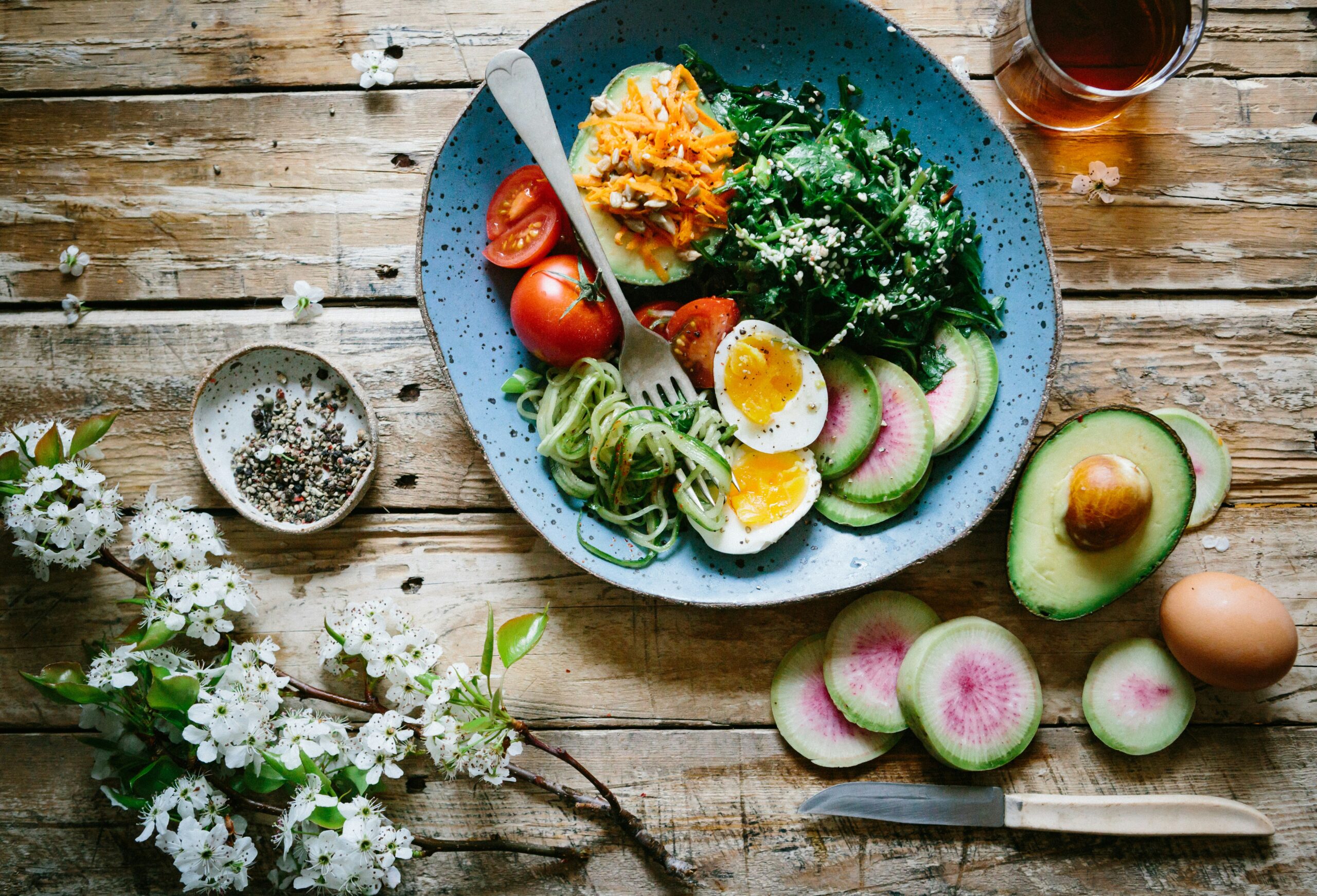
Diet

Home / Posts tagged "Diet"
The state of mens health and five foods they need to eat every week

The state of mens health and five foods they need to eat every week

As a male nutritionist, I’ve seen firsthand the benefits of certain foods in promoting men’s health. Understanding the dietary habits of men in the UK reveals some interesting trends and highlights areas for improvement. Here are specific foods men should incorporate more into their diets due to their rich nutrient content beneficial for men’s health.

Current Dietary Trends in UK Men

Many men in the UK do not meet the dietary recommendations for fruit and vegetable intake, fiber, and omega-3 fatty acids, while consuming excessive amounts of saturated fat and salt. These patterns increase the risk of heart disease, high blood pressure, cancer, and other health issues.
Fruits and Vegetables

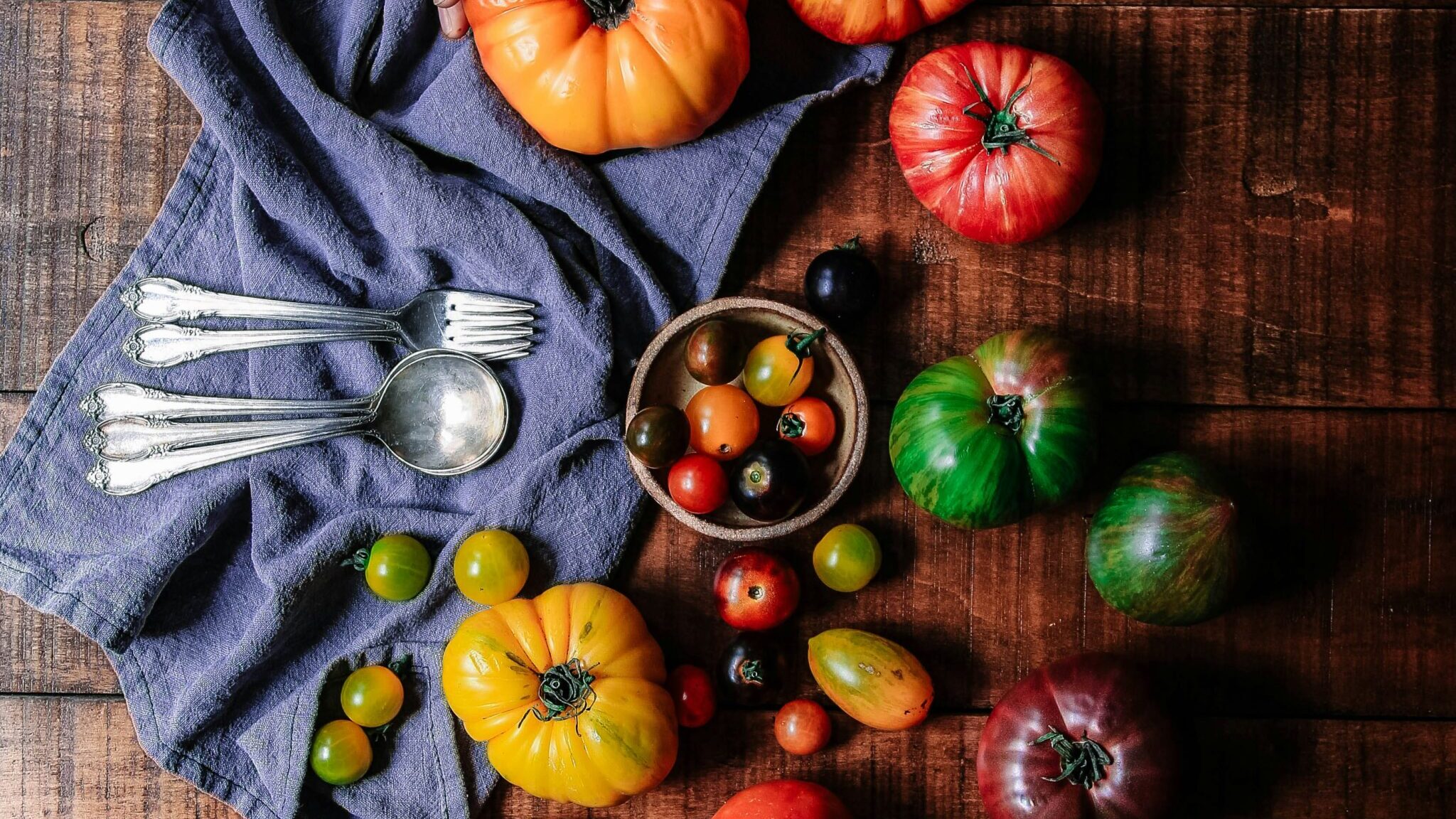
What food for men: Tomatoes

The World Health Organization recommends at least five portions of fruit and vegetables daily (equivalent to 400g) to reduce the risk of serious health issues. However, only about one in three UK men meet the 5 A DAY recommendation.

Including red fruits and vegetables, like tomatoes, is particularly beneficial for men’s health. Tomatoes are rich in lycopene, which may support prostate health and has potential cancer-protective effects (1). Processed tomatoes, such as puree and tinned chopped tomatoes, contain higher lycopene levels.

Benefits:

•Reduces the risk of chronic diseases.

•Provides essential vitamins and minerals, including zinc.

•Promotes digestive health and helps reduce LDL cholesterol.

Food Swaps and Tips:

•Use jarred tomato sauce for pasta dishes.

•Make a spicy salsa with chopped tomatoes, lime juice, chili, and coriander.

•Add chopped tomatoes to scrambled eggs.
Oily Fish

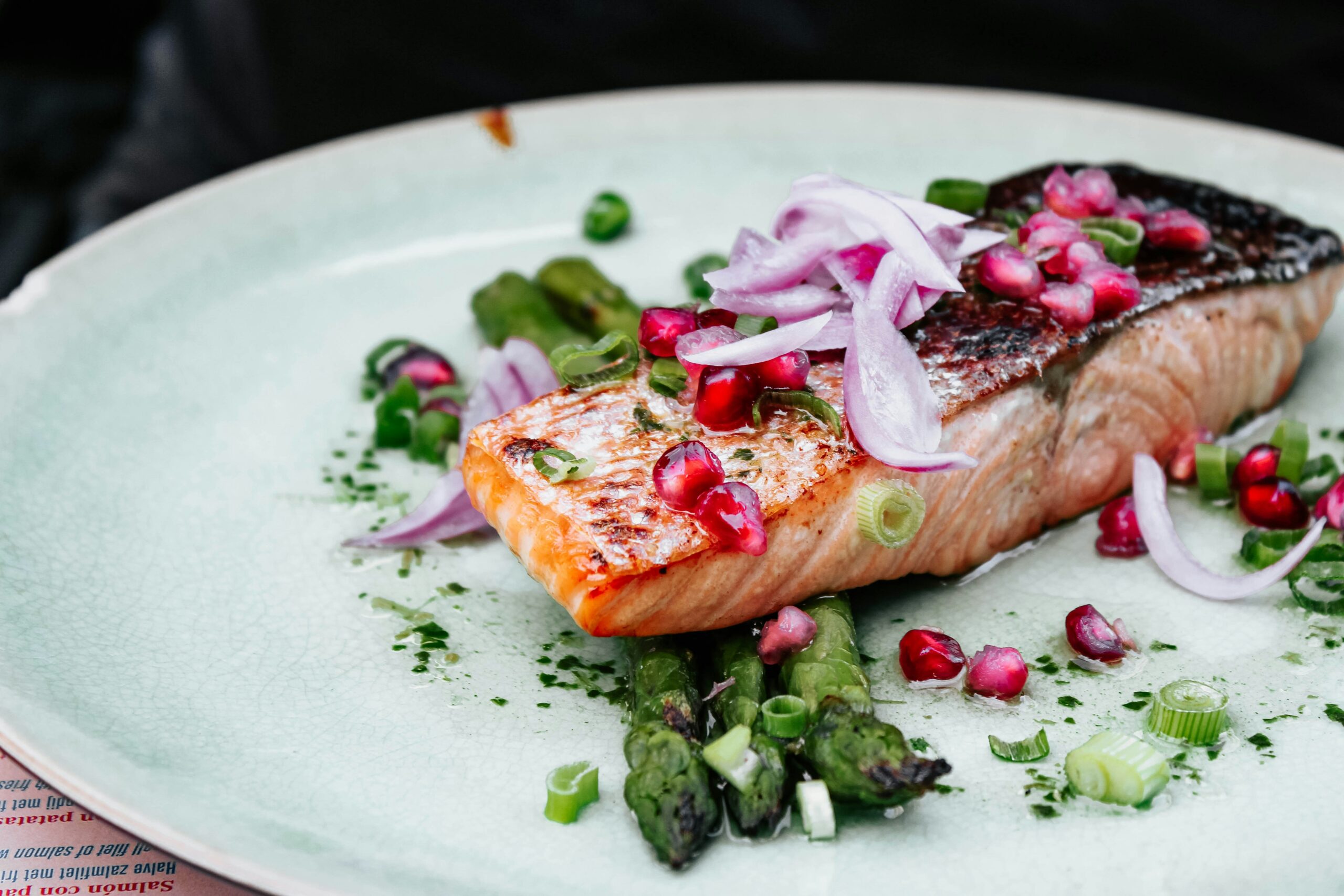
What food for men: Salmon

Oily fish, like salmon, mackerel, sardines, and trout, are rich in omega-3 fats, which may help prevent heart disease, and are a good source of vitamin D, essential for healthy bones and muscles. The recommendation is at least one portion (around 140g cooked) per week, but UK men generally eat less.

Men need to consider their bone health, as 1 in 5 have osteoporosis in the UK (2). Bone density deteriorates with age, and maintaining what you have laid down by your mid-20s is crucial. While the primary source of vitamin D is sunlight, including oily fish in your diet, especially during winter, is beneficial. A vitamin D supplement is also recommended during these months.

Benefits:

•Omega-3 fats support heart health by reducing inflammation and LDL cholesterol.

•Vitamin D strengthens bones and muscles and supports immunity.

•Omega-3s may protect the brain against age-related damage.

Food Swaps and Tips:

•Swap red meat for grilled salmon.

•Use canned salmon for sandwiches, jacket potatoes, or pasta sauces.

•Aim to eat one serving of oily fish weekly.
Reducing Saturated Fat

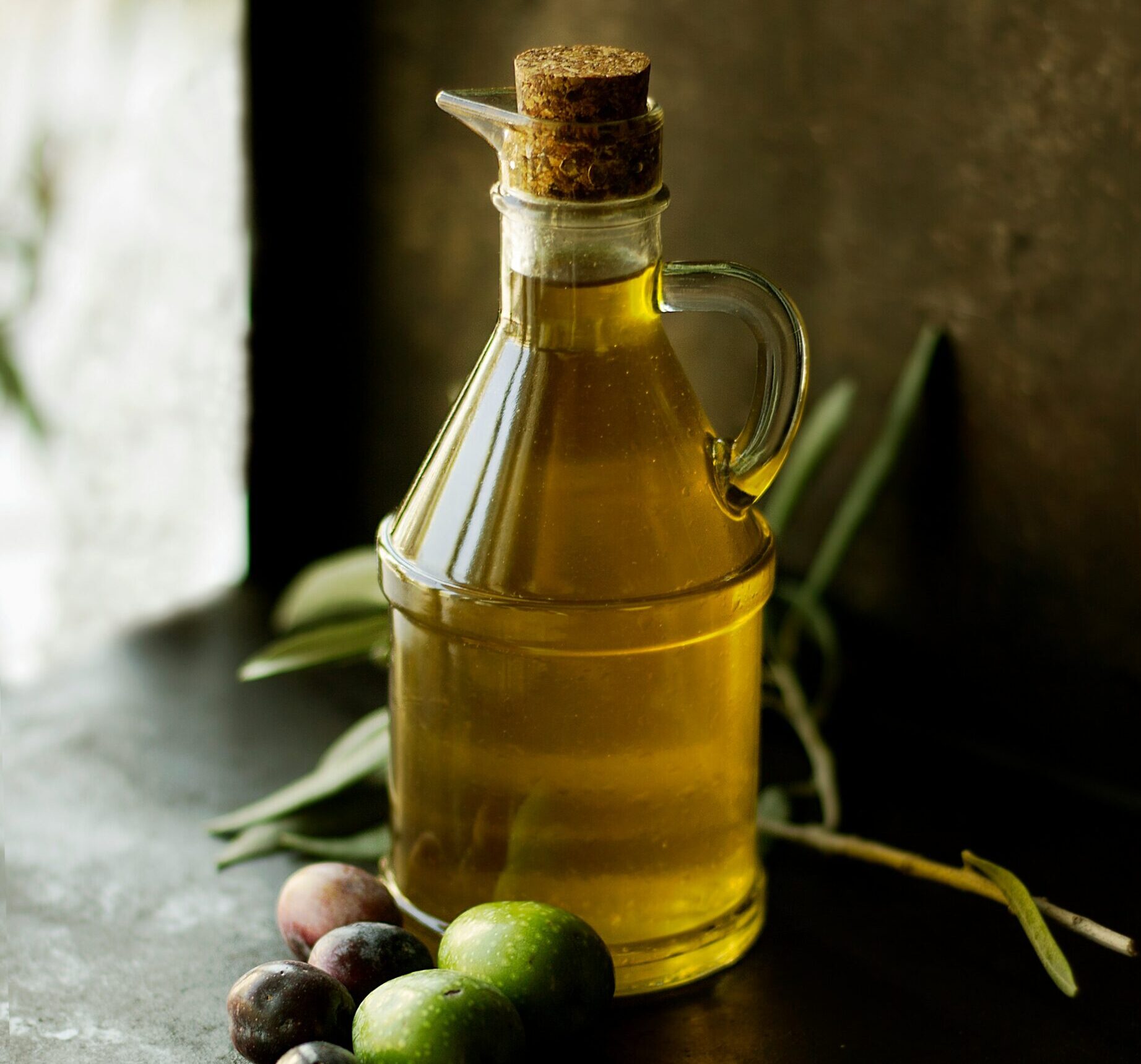
What food for men: Extra Virgin Olive Oil

Many UK men consume too much saturated fat, which raises LDL cholesterol levels and increases heart disease risk. Saturated fat should not exceed 10% of total energy intake, but it currently accounts for just over 12% in adult men.

Extra virgin olive oil is a healthier fat option. It helps reduce LDL cholesterol and increase HDL cholesterol, which is beneficial for heart health. The monounsaturated fats in olive oil reduce inflammation, and compounds like oleocanthal may protect against certain cancers, including prostate cancer. Extra virgin olive oil also enhances the absorption of lycopene from tomatoes and other red vegetables.

Benefits:

•Reduces the risk of heart disease.

•Helps maintain healthy cholesterol levels.

Food Swaps and Tips:

•Replace butter with extra virgin olive oil.

•Use olive oil for most cooking, except deep frying.

•Drizzle over vegetables to enhance lycopene absorption.
Reducing Salt Intake

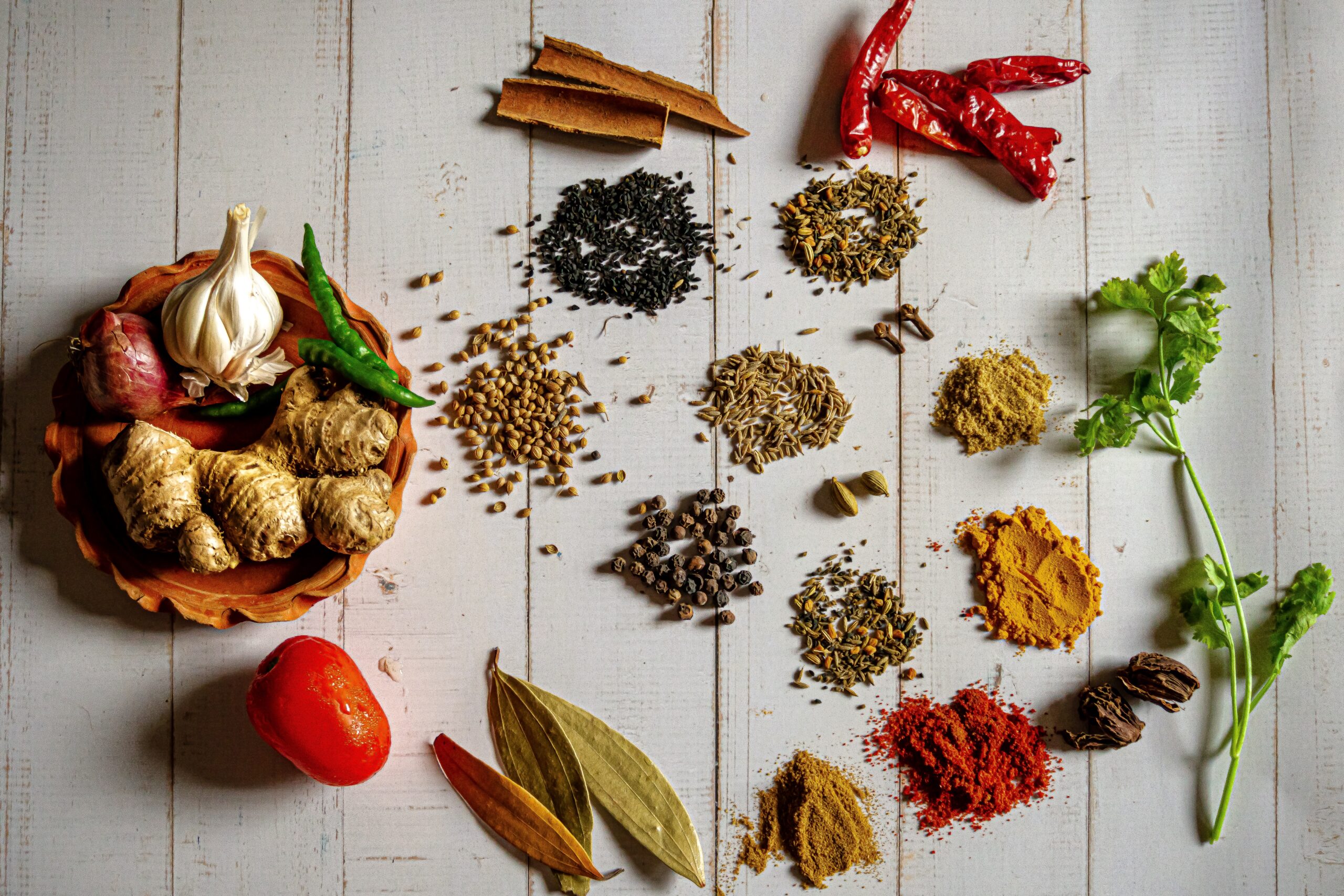
What food for men: All Dried Spices

The average daily salt intake for adult men in the UK is 9.2g, exceeding the recommended maximum of 6g. High salt intake increases the risk of high blood pressure and related diseases.

Dried spices are a good substitute for salt and provide zinc, which is important for maintaining normal testosterone levels, vital for reproductive health and muscle mass maintenance.

Benefits:

•Lowers the risk of high blood pressure.

•Promotes better cardiovascular health.

Food Swaps and Tips:

•Use spices instead of salt for seasoning.

•Sprinkle turmeric into scrambled eggs.

•Keep a versatile spice mix, like Cajun or curry powder, handy.
Increasing Fibre Intake

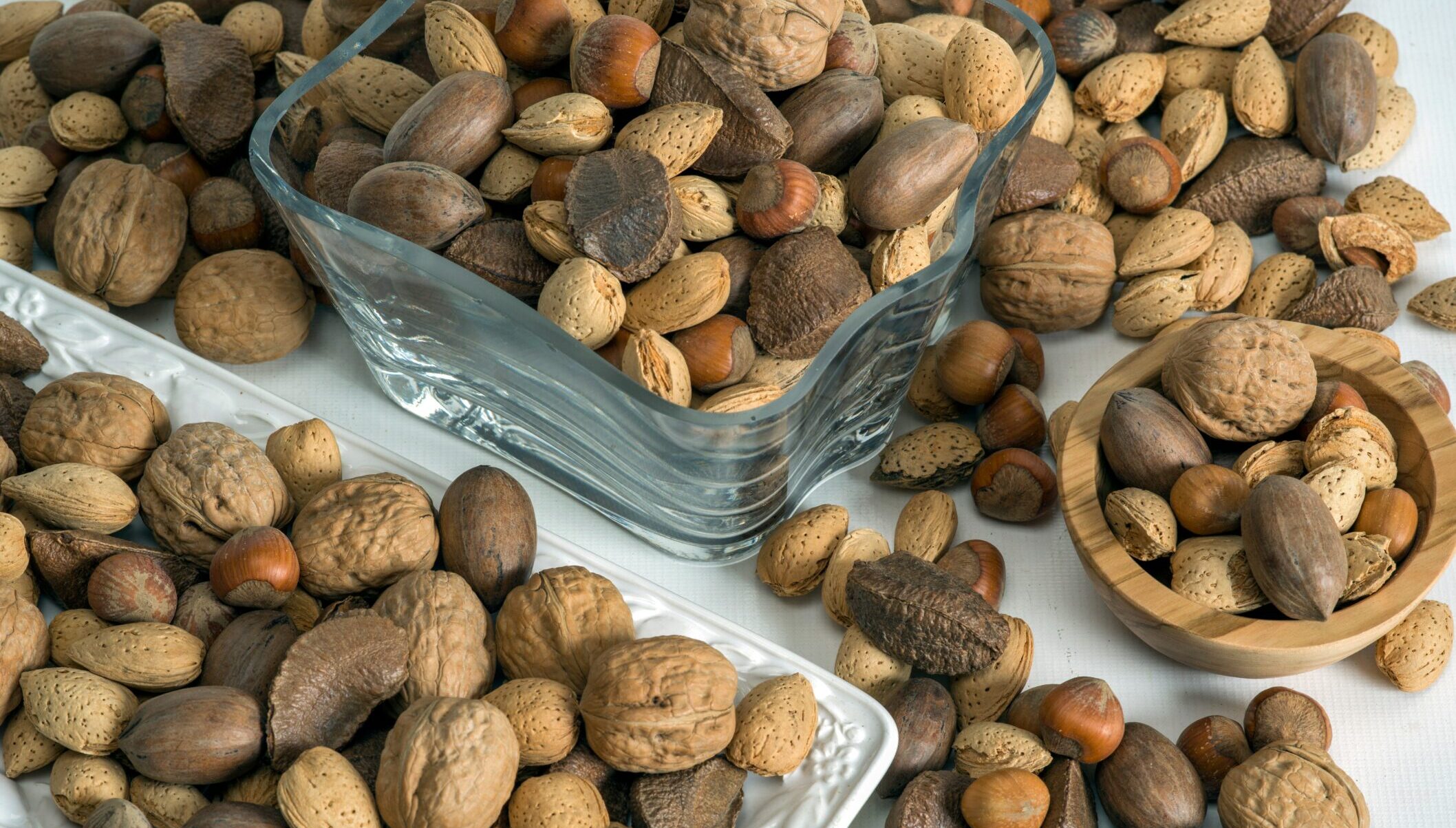
What food for men: Brazil Nuts

Only 12% of men get the recommended 30g of fiber daily. Fibre helps remove cholesterol, reduces blood pressure, aids weight management, and lowers cardiovascular disease risk (3) and reduce the risk of colorectal cancer which is the third most common cancer in men (4).

Nuts are a great way to increase fibre intake. Brazil nuts are particularly beneficial as they are high in selenium, essential for male fertility and normal testosterone production.

Benefits:

•Reduces the risk of cardiovascular disease.

•Helps maintain healthy cholesterol levels and blood pressure.

•Promotes digestive health.

Food Swaps and Tips:

•Crush Brazil nuts over yogurt, porridge, or salads.

•Eat three Brazil nuts daily for your selenium needs.

•Blitz in a food processor to make nut butter.

Additional Nutrients for Men’s Health

Eating a balanced diet following Mediterranean principles is key. Focus on reducing saturated fat and salt while increasing fiber, fruit, vegetables, and oily fish intake. These foods provide important nutrients like lycopene, zinc, and selenium. Making these dietary changes can significantly improve men’s health and reduce the risk of chronic diseases.

References

  1. https://pubmed.ncbi.nlm.nih.gov/35884603/
  2. https://pubmed.ncbi.nlm.nih.gov/35079919/
  3. https://www.ncbi.nlm.nih.gov/pmc/articles/PMC10612139/
  4. https://www.ncbi.nlm.nih.gov/pmc/articles/PMC7458778/
Is intermittent fasting for you and what does the research say?

Is intermittent fasting for you and what does the research say?

Intermittent fasting has taken the health and wellness world by storm, promising benefits from enhanced weight loss to improved blood markers associated with chronic diseases. However, as a nutritionist, it’s crucial to dive deeper into these claims, understand the nuances of fasting, and address recent concerns raised by emerging research.

Understanding Intermittent Fasting and Its Popularity

Intermittent fasting isn’t just a diet trend; it’s a lifestyle choice that involves cycling between periods of eating and fasting. The 16:8 method, where individuals fast for 16 hours and eat within an 8-hour window, is among the most popular due to its simplicity and the freedom it offers in choosing an eating window. Proponents have experienced short-term improvements in blood pressure, blood glucose, and cholesterol levels, pointing to a decreased risk of heart and vascular diseases.

The Controversial Study: A Closer Look

A study presented at a U.S. conference has stirred debate by suggesting that restricting eating to less than eight hours a day could nearly double the risk of death from heart and circulatory diseases. For those with pre-existing conditions, the risk reportedly increased by 66%. It’s important to note that this study, which observed participants over an average of eight years, is yet to undergo peer review and was based on self-reported eating habits over just two days.

Analysing the Study’s Findings

This research raises critical questions about the long-term safety of intermittent fasting, especially with stricter eating windows. However, several factors warrant consideration before drawing conclusions:

  • Observational Nature: The study can only suggest associations, not cause and effect.
  • Short Data Collection Period: Reliance on two days of dietary recall doesn’t guarantee accuracy over the long term.
  • Need for Peer Review: The findings have not been scrutinized by the wider scientific community, which is crucial for validating research.

Who Should Consider Intermittent Fasting?

Intermittent fasting can suit various lifestyles, from the busy parent who naturally skips breakfast to the office worker who prefers a structured eating schedule. Yet, it’s not a one-size-fits-all solution. The most potential benefits are weight loss and improved insulin sensitivity but research has suggested other areas such as reduced oxidative stress, and potentially lower risk for neurodegenerative diseases which make it appealing to some. However, the approach requires thoughtful meal planning during eating windows to ensure nutritional adequacy.

 Who Should Avoid Fasting?

Certain individuals should proceed with caution or avoid intermittent fasting altogether:

  • Pregnant or Breastfeeding Women: Nutritional needs are higher during these periods.
  • Children and teenagers: These groups have need to ensure good nutritional intake for growth and some are more susceptible to disordered eating.
  • Individuals with a History of Eating Disorders: Fasting can potentially trigger or exacerbate disordered eating patterns.
  • Those with Certain Medical Conditions: People with diabetes, low blood pressure, or those taking medications that require food intake should consult healthcare providers.

Psychological Considerations

The psychological impact of fasting is an area of growing interest. Fasting can influence our relationship with food, potentially leading to an “all or nothing” mentality. Personality types that thrive on routine may find success with fasting, whereas those prone to anxiety or disordered eating patterns should approach with caution. Consulting with a mental health professional can provide additional insights into whether fasting is a suitable approach.

Best Practices for Fasting

For those who find intermittent fasting aligns with their health goals and lifestyle, here are some best practices:

  • Listen to Your Body: Adjust fasting schedules based on personal health, performance, and well-being.
  • Focus on Nutrition: Prioritize a balanced diet rich in nutrients during eating periods.
  • Hydrate: Ensure adequate fluid intake, especially during fasting windows.
  • Moderate Exercise: Align training intensity with energy levels, considering lighter workouts during fasting periods.

While intermittent fasting offers potential health benefits, it’s not without its caveats. The recent study underscores the importance of further research to fully understand the long-term impacts. As always, individual experiences with fasting will vary, underscoring the need for personalized guidance from healthcare and nutrition professionals.

Addressing Premenstrual Syndrome Through Diet and Supplements

Addressing Premenstrual Syndrome Through Diet and Supplements

Premenstrual Syndrome (PMS) is a prevalent concern for many women of childbearing age, leading to a spectrum of physical, emotional, and social difficulties in the days leading up to menstruation. Symptoms vary widely but often include emotional changes such as mood swings, sadness, anger, and anxiety, alongside physical symptoms like increased hunger, cravings for sweets, exhaustion, and headaches.

A notable percentage of women, estimated at 8-20%, experience symptoms so severe that they seek medical help. Common treatments include hormonal therapy with contraceptives to regulate hormonal imbalances or antidepressants to increase serotonin levels, improving mood.

Understanding PMS Causes

The exact cause of PMS is not fully understood, but hormonal fluctuations throughout the menstrual cycle, particularly progesterone release, are thought to play a significant role. This hormonal change may affect brain chemistry, leading to symptoms. The importance of micronutrients and essential fatty acids is also being explored for their potential to ease PMS symptoms.

Despite skepticism due to similar hormone levels in those affected and unaffected by PMS, it’s now more widely acknowledged that PMS may relate to a heightened sensitivity to female hormones rather than the levels of these hormones themselves. Conditions such as diabetes, irritable bowel syndrome (IBS), or food allergies may increase susceptibility to PMS, highlighting the role of inflammation.

Diet’s Role in Managing PMS

Maintaining a balanced diet with stable blood sugar levels is crucial for managing PMS. An anti-inflammatory diet, consisting of lean proteins, vegetables, fruits, legumes, and healthy fats like olive oil and fish rich in omega-3 fatty acids, can mitigate symptoms. Consuming foods with a low glycaemic load and high in fibre can help balance hormone levels, reducing anxiety, irritability, and cravings.

Five foods shown to help relieve symptoms of PMS:

Kale

Leafy greens like kale are packed with fibre, aiding in hormone and blood sugar regulation. Kale, rich in calcium, proves beneficial for women experiencing PMS. These vegetables are also an excellent iron source, combating fatigue and tiredness from dietary deficiencies and menstrual losses. The phytonutrients in vegetables activate the immune system, diminishing inflammation.

Oily Fish

Evidence suggests that the omega-3 fatty acids in oily fish, known for their anti-inflammatory properties, may alleviate menstrual pain. Aim for a few servings per week of fish like salmon, tuna, trout, mackerel, and herring. Oily fish are also among the rare natural sources of vitamin D, deficiency in which is linked to PMS symptoms.

Oats

Whole grain cereals, including oats, are rich in thiamine (vitamin B1). Studies indicate a significant reduction in PMS risk (35%) for women with higher intakes of vitamins B1 and B2. Whole grains provide carbohydrates that aid in the absorption of tryptophan (found in eggs and turkey), essential for producing serotonin, a brain hormone that can help mitigate mood swings and curb sugar cravings.

Red Kidney Beans

Beans, especially red kidney beans, are fibre-rich, supporting weight management and the removal of excess hormones, thereby stabilizing blood sugar. They’re also packed with iron and zinc; deficiencies in these minerals may increase PMS risk.

Cashew Nuts

Cashews are rich in magnesium, frequently referred to as nature’s own calming agent, essential for easing PMS symptoms, especially those linked to stress and anxiety. Studies indicate that women experiencing PMS often have diminished magnesium levels. This mineral is key in transforming vitamin B6 to its active state, which is crucial for the synthesis of neurotransmitters that regulate mood. Additionally, cashews provide iron, a deficiency in which can worsen feelings of tiredness, and studies suggest that women with lower iron levels are more prone to suffer from PMS.

The Role of Supplements

While a nutritious diet is paramount, evidence suggests supplements might offer additional benefits in managing PMS. For many, a three-month trial of specific supplements, coupled with a symptom diary, can help determine their effectiveness.

Calcium and vitamin D supplements

Calcium imbalances may mirror the symptoms of PMS and calcium supplementation can help alleviate these symptoms. A study involving 466 women experiencing moderate to severe PMS showed that a daily intake of 1200mg of calcium over three menstrual cycles led to a significant 48% reduction in overall symptom scores, compared to a 33% reduction observed with a placebo.

Additionally, the combination of Vitamin D and calcium has been shown to diminish the occurrence of headaches, negative mood swings, fluid retention, and pain. Typically, these supplements benefit approximately two-thirds of women who use them. 

Magnesium

Involved in numerous bodily processes, including energy production and bone health, magnesium may alleviate symptoms like fluid retention, mood disturbances, and pain, particularly in those deficient in this mineral. In one study, 32 women with PMS were given magnesium or a placebo in a double-blind, randomized design. The study found that magnesium significantly reduced the total Menstrual Distress Questionnaire score and the cluster “negative affect,” indicating that magnesium supplementation could be an effective treatment for premenstrual symptoms related to mood changes.

Gingko Biloba

Extracted from gingko biloba leaves, this supplement may reduce inflammation and improve circulation, offering relief from bloating and breast pain associated with PMS. One study of 165 women with congestive symptoms of PMS such as bloating, and breast pain were given supplemented with Gingko biloba extracts and after two months of treatment showed significant improvements especially in reducing breast symptoms compared to a placebo.

Research suggests one tablet (containing 40mg extract) three times per day from day 16 of your menstrual cycle to the 5th day of the next cycle reduces severity of symptoms of PMS. After the intervention there was a significant decrease in the overall severity of symptoms among the group that took Gingko (23.7%) and the placebo (8.7%).

B6 supplements

B6, a member of the B vitamin family, plays a crucial role in metabolising food and producing red blood cells. It has been found effective in alleviating mood and fatigue symptoms through its involvement in creating neurotransmitters. Studies recommend a daily intake of 50mg of B6 to mitigate PMS symptoms.

In one study with 68 women, taking 50mg of B6 daily for three months significantly enhanced emotional well-being, reducing symptoms of depression, irritability, and tiredness, compared to those who took a placebo. The study noted a 69% reduction in emotional symptoms and a 52% decrease in physical symptoms.

Managing PMS can be effectively supported through dietary and supplement interventions. A combination of exercise, a balanced diet, and specific supplements can help mitigate the symptoms of PMS, such as bloating, mood swings, and fatigue.

Creatine supplementation for Women

Creatine supplementation for Women

Creatine, scientifically known as methylguanidine acetic acid, is more than just a supplement reserved for athletes and bodybuilders. Its role in energy production, particularly in activities requiring short, intense bursts, makes it a valuable asset for anyone looking to enhance their physical performance, including women. This article delves into the multifaceted benefits of creatine, debunking common myths and highlighting its potential, especially for women in sports, resistance training, and overall wellness.

Understanding Creatine and Its Functions

Creatine is stored in the muscles and is pivotal for producing ATP (adenosine triphosphate), the energy currency of the cell, essential for muscle contractions and recovery between exercise sessions. Its ability to maintain power output during high-intensity efforts makes it ideal for sports involving repeated sprints, like rugby and football, and activities requiring explosive bursts, such as swimming or track sprints.

Creatine’s Impact on Women’s Bodies

Despite anatomical differences between genders, energy systems operate similarly in both men and women. Creatine offers numerous benefits:

  • Energy Production: It regenerates ATP, allowing for sustained high-intensity activity by replenishing ATP levels through creatine phosphate donation.
  • Muscle Mass: Creatine can increase muscle mass by drawing water into muscle cells, which may promote growth, and by enhancing resistance training effects.
  • Exercise Performance: Studies confirm creatine improves strength, power, and performance in high-intensity exercises due to increased ATP availability.
  • Brain Function: Creatine may boost brain function by supporting ATP requirements, potentially improving cognition and reducing symptoms of depression, especially in women.

Research on Creatine Benefits for Women

Recent studies have specifically examined creatine’s effects on women, revealing significant benefits:

  • Increased Upper-Body Strength: A systematic review found creatine supplementation increases upper-body strength in older women, particularly with resistance training over 24 weeks.
  • Combatting Sarcopenia: Creatine enhances resistance training effects on muscle building, crucial for mitigating age-related muscle loss.
  • Mental Health: Supplementing with creatine could elevate brain creatine levels, potentially easing depression symptoms, notably in women experiencing higher depression rates during reproductive years.
  • Enhanced Athletic Performance: Research on young women athletes shows creatine boosts muscle strength and performance, aiding in disciplines like soccer and strength training.

Creatine for Postmenopausal Women

Creatine supplementation, paired with resistance training, shows promising results for postmenopausal women by improving muscle mass, strength, and bone health. Studies illustrate creatine’s role in slowing bone mineral loss and enhancing muscle quality, underscoring its value for this demographic.

Daily Creatine Intake for Women

For sports performance or maintaining muscle mass post-menopause, a daily creatine dose of 3-5 grams is recommended. While some opt for a loading phase with higher doses initially, ongoing research confirms that consistent daily intake is effective and safe for extended periods.

Addressing Creatine Myths and Concerns

Despite over 500 peer-reviewed studies affirming creatine’s safety, misconceptions persist. Notably, creatine does not harm the kidneys in healthy individuals, nor does it cause dehydration, muscle cramping, fat gain, or other commonly feared side effects. It’s proven to be a safe and beneficial supplement when used as recommended.

Conclusion

Creatine offers a wide array of benefits for women, from enhancing athletic performance and muscle strength to supporting brain health and combating age-related muscle loss. Its safety and efficacy, backed by extensive research, make it a worthwhile supplement for women pursuing fitness goals, mental well-being, or healthy aging. Whether you’re an athlete, fitness enthusiast, or simply looking to improve your health, creatine can be a valuable addition to your wellness regimen, debunking the myth that it’s solely beneficial for men.

Six steps to living an unprocessed life

Six steps to living an unprocessed life

In our fast-paced world, the convenience and cost-effectiveness of food have increasingly dictated our dietary choices, pushing ultra-processed foods (UPFs) to the forefront of our consumption patterns. These foods, designed for prolonged shelf life and ease of consumption, are packed with additives like preservatives, emulsifiers, and artificial flavors, making them a staple in many diets despite their potential health risks.

The growing concern over the impact of UPFs on health is supported by research linking their consumption to a range of diseases, including obesity, heart disease, and diabetes. This article explores the complex relationship between UPFs and health and provides practical steps for reducing their presence in our lives.

Understanding Ultra-Processed Foods

Ultra-processed foods are characterized by their extensive processing and the inclusion of ingredients that are not typically found in home cooking, such as artificial colors and flavors. These foods are manufactured to be irresistibly tasty, affordable, and convenient, traits that encourage overconsumption. Despite their widespread use, the health implications of consuming UPFs are increasingly scrutinized, with studies associating them with serious health issues.

The Impact of UPFs on Health

Recent studies have unveiled a concerning link between high consumption of UPFs and an array of health problems. A review of 43 studies highlighted that the majority found a correlation between UPFs and negative health outcomes, including obesity, type 2 diabetes, cardiovascular diseases, and certain cancers.

For instance, research from the Fourth Medical Military University in China showed that individuals with the highest intake of UPFs had a 24% increased risk of developing heart disease.

Another study from the University of Sydney found a significant association between UPFs and an elevated risk of high blood pressure among middle-aged women.

These findings suggest that the risk associated with UPFs transcends the harm posed by their nutrient content alone, pointing towards additives and changes in food properties as potential culprits.

Navigating UPF Consumption

While the evidence against UPFs is compelling, completely eliminating them from our diet is neither realistic nor necessary. The key lies in moderation and mindful selection, focusing on reducing intake rather than pursuing an unattainable ideal of avoidance. It’s crucial to recognise that not all UPFs are created equal; some, like certain breads, yogurts, and cereals, can offer nutritional benefits. The challenge is to discern between harmful UPFs and those that can be part of a balanced diet, avoiding the pitfalls of “clean eating” extremism.

Steps to Unprocess Your Diet

  1. Assessment and Planning: Begin by evaluating the UPFs in your diet and kitchen. Identifying your dependency on these foods is the first step toward making informed changes.
  2. Identify Weak Points: Focus on the part of your day most reliant on UPFs, such as work lunches or dinner. Preparing meals ahead of time using simple, fresh ingredients can significantly reduce UPF consumption.
  3. Homemade Alternatives: Replace UPF meals with homemade versions. Start with simple recipes and consider batch cooking to save time and money.
  4. Selective Shopping: Not all processed foods are detrimental. Opt for products with minimal and recognizable ingredients, such as certain plant milks, over those laden with additives.
  5. Informed Choices: When choosing between two UPFs, select the one with fewer additives. Reading labels can help make better decisions.
  6. Enjoy the Process: Embrace the transition as an opportunity to involve family, learn new recipes, and explore different food sources. Making healthy eating enjoyable and affordable is key to sustainability.

The journey to reducing UPF consumption in our diets is not about perfection but about making better choices one step at a time. By understanding the impact of UPFs on health, assessing our consumption habits, and gradually introducing healthier alternatives, we can navigate the complexities of modern eating. The goal is to cultivate a balanced, mindful approach to food that prioritizes health without sacrificing enjoyment or convenience

How to unprocess your menopause

How to unprocess your menopause

As women navigate the complex journey of menopause, understanding the role of diet, particularly the consumption of ultra-processed foods (UPF) over whole foods could be a consideration. The transition through peri-menopause and menopause brings significant physical and psychological changes, where dietary choices can either exacerbate or alleviate symptoms.

The downside of consuming a diet rich in Ultra-Processed Foods During Menopause

Weight Gain and Metabolic Shifts

The hormonal upheaval during menopause often leads to weight gain, with metabolism slowing down and fat distribution changing. The allure of UPF, with their high fat and sugar content, compounded by additives that enhance palatability, can exacerbate obesity risks. Combatting this requires a mindful approach to diet, emphasising balanced nutrition and regular physical activity.

Bone Health at Risk

Post-menopause, women face an increased threat of osteoporosis due to diminished oestrogen levels. Calcium and vitamin D-rich diets are essential for maintaining bone density. However, the nutrient-deficient nature of a diet high in UPFs may poses a risk, particularly for those with dietary restrictions such as vegans.

Mood Swings, Hot Flushes, and Heart Health

Fluctuating hormones can cause mood instability and hot flushes, while the risk of heart disease escalates post-menopause. Nutrient-dense foods, including phytoestrogens found in whole foods, may help stabilise mood and mitigate hot flushes. Conversely, the fibre-deficient UPF diet may aggravates heart disease risk, underscoring the need for a diet rich in fruits, vegetables, and whole grains.

Beyond Physical Health: The Mental Toll of UPF

The mental health implications of UPF consumption cannot be overstated. The addictive nature of these foods, combined with their impact on obesity and body image, contributes to a cycle of depression and anxiety. Moreover, the adverse effects on gut health and blood sugar fluctuations further complicate mental well-being, making a compelling case for dietary vigilance.

Is It Too Late to Make a Change?

Contrary to defeatist beliefs, it’s never too late to adopt healthier eating habits. Research indicates that even modest dietary adjustments, such as reducing UPF intake, can significantly lower the risk of chronic conditions like dementia. This underscores the potential of positive dietary changes to enhance health outcomes at any age.

Embarking on a Journey to Better Health

Transitioning away from UPF may seem daunting, but with strategic planning and gradual changes, it’s entirely achievable. Starting with an honest assessment of your current diet, identifying UPF-heavy meals, and slowly substituting them with homemade, nutrient-rich alternatives can pave the way. Engaging family in cooking, smart shopping for fresh ingredients, and embracing the joy of creating meals from scratch can transform this challenge into a rewarding journey towards wellness.

As we delve into the nuances of how UPF impacts menopausal health, it becomes clear that informed dietary choices play a pivotal role in navigating this life stage with grace. By embracing a diet of whole, minimally processed foods, women can significantly enhance their quality of life during menopause and beyond.

Food for good brain health

Food for good brain health

Eating a healthy diet is essential for your mental and physical health. Here are some ways you can support your brain through diet:

Increase your intake of foods rich in B vitamins

This complex of eight Vitamin B plays a significant role in the functioning of the brain and nervous system. A deficiency could affect memory function, cognitive impairment and dementia. One review found eating higher amounts of unsaturated fatty acids, antioxidants, and B vitamins (especially B12) decreased the risk of dementia1.

B12 can be found in dairy products, eggs, meat and fish. B6 is available in meat; fish; vegetables such as bell peppers, spinach and baked potatoes; and beans and legumes such as chickpeas and lentils.

Increase your intake of foods rich in vitamin E

Eating more nuts and seeds is a quick way to get vitamin E into your diet. A study published in the American Journal of Epidemiology explored found that decreasing levels of vitamin E were linked to poor memory2.

Both nuts and seeds are rich in vitamin E which help to protect cells in the body from oxidative stress caused by free radicals. A study in the Journal of Nutrition and Healthy Ageing found that people who ate more nuts had better brain functioning in older age3.

Eat two servings of oily fish weekly

Fatty acids such as omega 3s support brain health. One study found taking omega-3 supplements had significant benefits to memory function in healthy 50 to 75-year-olds, compared to a placebo group4.

Rich sources of omega 3 include oily fish such as salmon, sardines, mackerel and trout. If you’re not a big fan of fish, it can also be found in flaxseed and walnuts.

Feast on fermented foods

Your brain and gut are closely connected. Research has shown that gut bacteria may affect your brain function. One study found brain function changed among healthy women who consumed probiotics in yoghurt5.

Fermented foods such as yoghurt, miso and sauerkraut contain beneficial bacteria. A supplement containing bifidobacterium and lactobacillus strains can help restore the natural balance of bacteria in the gut.

Keep well hydrated through the day

If you’re dehydrated, you may struggle to concentrate or think clearly. In one study, researchers found that people who quenched their thirst with a glass of water before conducting mental tasks had reaction times 14 per cent faster than those who didn’t6.

Keep your vitamin D levels topped up

Vitamin D is produced in the skin on exposure to sunlight and is vital for healthy bones, teeth, and muscles. Recent research suggests low levels of vitamin D may be associated with dementia. A study published by JAMA Neurology found low vitamin D levels were associated with an accelerated decline in cognitive function7.

Vitamin D is not found in many foods other than egg yolks, oily fish (salmon, mackerel, herring and sardines), fortified dairy products other foods, and liver.

Sunshine, not food, is the primary source, and supplements can provide a top-up in autumn and winter.

Keep an eye on your alcohol intake

Alcohol alters your brain chemistry and can affect your thoughts and feelings.

Protecting your brain health is essential for maintaining overall wellbeing. Making the right dietary choices can help you to do this and keep you brain in good working order.

References

  1. https://pubmed.ncbi.nlm.nih.gov/26553347/
  2. https://link.springer.com/article/10.1007/s12603-018-1122-5
  3. https://www.ncbi.nlm.nih.gov/pmc/articles/PMC4276978/
  4. https://pubmed.ncbi.nlm.nih.gov/26890759/
  5. https://pubmed.ncbi.nlm.nih.gov/23474283/
  6. https://pubmed.ncbi.nlm.nih.gov/23874283/
  7. https://pubmed.ncbi.nlm.nih.gov/26366714/
Sleep and the Clocks Going Forward

Sleep and the Clocks Going Forward

As the end of March approaches, people in the UK prepare for the annual event of the clocks going forward by one hour. While it may seem like a minor adjustment, this can significantly impact our sleep and daily routines. 

How can we make this transition as smooth as possible? 

In this blog, we’ll explore the importance of sleep and offer tips for adjusting to the time change.

Why Is Sleep Important?

Sleep is essential to our daily lives, allowing our bodies and minds to recharge and repair. It plays a vital role in maintaining our physical and mental health, including our immune system, mood, and cognitive function. Getting enough high-quality sleep is also linked to a lower risk of chronic health conditions such as obesity, diabetes, and heart disease.

The Effects of Daylight Saving Time on Sleep

Daylight Saving Time, also known as Summer Time in the UK, was initially introduced to better use daylight hours during the summer months. However, the shift in time can disrupt our natural sleep patterns, leading to difficulties falling asleep, waking up earlier than usual, and feeling tired and groggy during the day.

Research suggests that transitioning to Daylight Saving Time can significantly impact our health and well-being. Studies have linked the time change to increased car accidents, workplace injuries, and heart attacks. It can also exacerbate existing sleep disorders such as insomnia and sleep apnea.

Tips for Adjusting to the Time Change

Here are some tips for minimising the impact of the time change on your sleep and daily routines:

  1. Gradually adjust your sleep schedule: In the days leading up to the time change, shift your bedtime and wake-up time progressively by 15-30 minutes each day. This can help your body adjust to the new schedule more smoothly.
  2. Create a relaxing bedtime routine: Establish a relaxing routine to help your mind and body wind down before sleep. This could include taking a warm bath, reading a book, or practicing relaxation techniques such as deep breathing or meditation.
  3. Avoid caffeine and alcohol: Caffeine and alcohol can interfere with sleep, so it’s best to avoid these substances before bedtime.
  4. Get plenty of sunlight: Exposure to natural light can help regulate your body’s internal clock and promote healthy sleep. Try to spend some time outdoors during the day, especially in the morning.
  5. Practice good sleep hygiene: Make sure your sleeping environment is conducive, with comfortable bedding, a cool temperature, and minimal noise and light.

By following these tips, you can help minimize the impact of the time change on your sleep and daily routines. Remember, getting enough high-quality sleep is essential for your health and well-being, so it’s worth taking the time to prioritise your sleep habits.

Read more about sleep here: Are You a Sleep Hijacker?

Five tips to help you train while fasting

Five tips to help you train while fasting

Training while fasting can be a great way to challenge your body and improve your overall fitness level. However, it’s essential to do it safely and effectively. Here are some tips for training while fasting:

  1. Pick right time to train: It’s best to exercise during the window of time when you’re able to eat. This typically means training in the morning before your first meal of the day or in the evening after your last meal. Training during a prolonged fast or when you’re feeling weak or dizzy is not recommended.
  2. Start slowly: If you’re new to training while fasting, start with a lower-intensity workout and gradually increase the intensity over time. This will help your body adjust to the new demands and prevent injury.
  3. Keep well hydrated: It’s essential to stay hydrated while fasting, especially during workouts. Drink plenty of water before, during, and after your workout to stay hydrated.
  4. Listen to your body: Pay attention to how your body feels during the workout. If you feel dizzy, lightheaded, or weak, stop immediately and break your fast.
  5. Refuel the right way: Refuel your body with nutrient-rich foods after your workout to help your muscles recover and replenish muscle gylcogen to fuel your next workout. This can include protein-rich foods such as eggs, fish, and chicken combined with carbohydrates and healthy fats.

Putting these tips into action can help you train effectively and safely while fasting. 

For advice about training during Ramadan click here 

How can food help with menopause?

How can food help with menopause?

Menopause is a natural biological process that marks the end of reproductive years for women. During this period, the body goes through a lot of hormonal changes which can lead to symptoms such as hot flashes, mood swings, fatigue, and many others.

While there is no way to stop menopause, there are certain foods that can help manage the symptoms.

In this article, we will explore the top foods that can help alleviate the symptoms of menopause.

Soy

Soy products are a great source of phytoestrogens, which are plant-based compounds that mimic the effects of oestrogen in the body. During menopause, the body’s oestrogen levels decrease, and consuming soy can help boost these levels. Soy products such as tofu, tempeh, and soy milk are great options for women going through menopause.

Flaxseeds

Flaxseeds are another great source of phytoestrogens. They also contain lignans, which are compounds that can help regulate hormone levels in the body. Flaxseeds can be added to your diet in a variety of ways, such as adding them to smoothies, oatmeal, or yogurt.

Fruits and Vegetables

Fruits and vegetables are a great source of vitamins, minerals, and fibre. They can also help alleviate the symptoms of menopause.

Some fruits and vegetables that are particularly beneficial include:

  • Broccoli: Contains compounds that can help regulate oestrogen levels in the body.
  • Berries: High in antioxidants, which can help protect the body from oxidative stress.
  • Leafy greens: High in calcium, which can help prevent bone loss during menopause.
  • Citrus fruits: High in vitamin C, which can help boost the immune system and reduce inflammation.

Whole Grains

Whole grains are a great source of fibre, which can help regulate digestion and prevent constipation. They also contain complex carbohydrates, which can help stabilize blood sugar levels and reduce mood swings. Some great whole grain options include brown rice, quinoa, and whole wheat bread.

Nuts and Seeds

Nuts and seeds are a great source of healthy fats, which can help reduce inflammation in the body. They are also a good source of protein, which can help maintain muscle mass during menopause.


Some nuts and seeds that are particularly beneficial include:

  • Walnuts: High in omega-3 fatty acids, which can help reduce inflammation in the body.
  • Chia seeds: High in fibre and omega-3 fatty acids, which can help regulate digestion and reduce inflammation.
  • Almonds: High in vitamin E, which may help reduce hot flashes.

Herbal supplements

Certain supplements may help to reduce the severity of certain symptoms of menopause.

Some great options include:

  • Black cohosh: may help reduce hot flashes and night sweats.
  • Red clover: Contains phytoestrogens, which may help boost oestrogen levels in the body.
  • Sage: May help reduce hot flashes and night sweats.

Fermented Foods

Fermented foods are a great source of probiotics, which can help regulate digestion and boost the immune system. They can also help alleviate vaginal dryness, which is a common symptom of menopause. Some great fermented food options include yogurt, kefir, and kimchi.

In conclusion, menopause is a natural process that can be managed with the right diet. By incorporating these foods into your diet, you can help alleviate the symptoms of menopause and improve your overall health and well-being. Remember to consult with your doctor before making any significant changes to your diet, especially if you have any underlying health conditions.