Hydration

Home / Posts tagged "Hydration"
How to Prepare Your Gut for Holiday Travel

How to Prepare Your Gut for Holiday Travel

Traveling can be an exciting adventure, but it often comes with the less talked about challenge of maintaining gut health. Whether you’re journeying overseas or across state lines, changes in your environment, diet, and routine can significantly impact your digestive system. Here’s your essential guide to preparing and preserving your gut health while you explore the world.

Understanding the Impact of Travel on Gut Health

When you travel, especially internationally, you expose your gut to a host of new experiences and challenges:

  • Exposure to New Microorganisms: Traveling introduces your digestive system to bacteria and viruses that are not commonly found in your home environment, potentially leading to infections or disruptions in your gut microbiota.
  • Dietary Changes: Local cuisines may offer exciting new flavors and ingredients, but they can also include higher quantities of ultra-processed foods (UPFs) with excessive sugars and fats that strain your gut health.
  • Dehydration Risks: Whether due to hot climates or long-haul flights, dehydration is a common issue that can lead to constipation and other digestive discomforts.
  • Routine Disruptions: Changes in your daily schedule, such as sleep irregularities due to jet lag, altered meal times, and decreased physical activity, can all disturb your digestive regularity.
  • Stress: The stress of traveling, from planning to navigating unfamiliar places, can exacerbate gastrointestinal issues, particularly for those with conditions like IBS.

Proactive Steps to Support Gut Health Before Travel
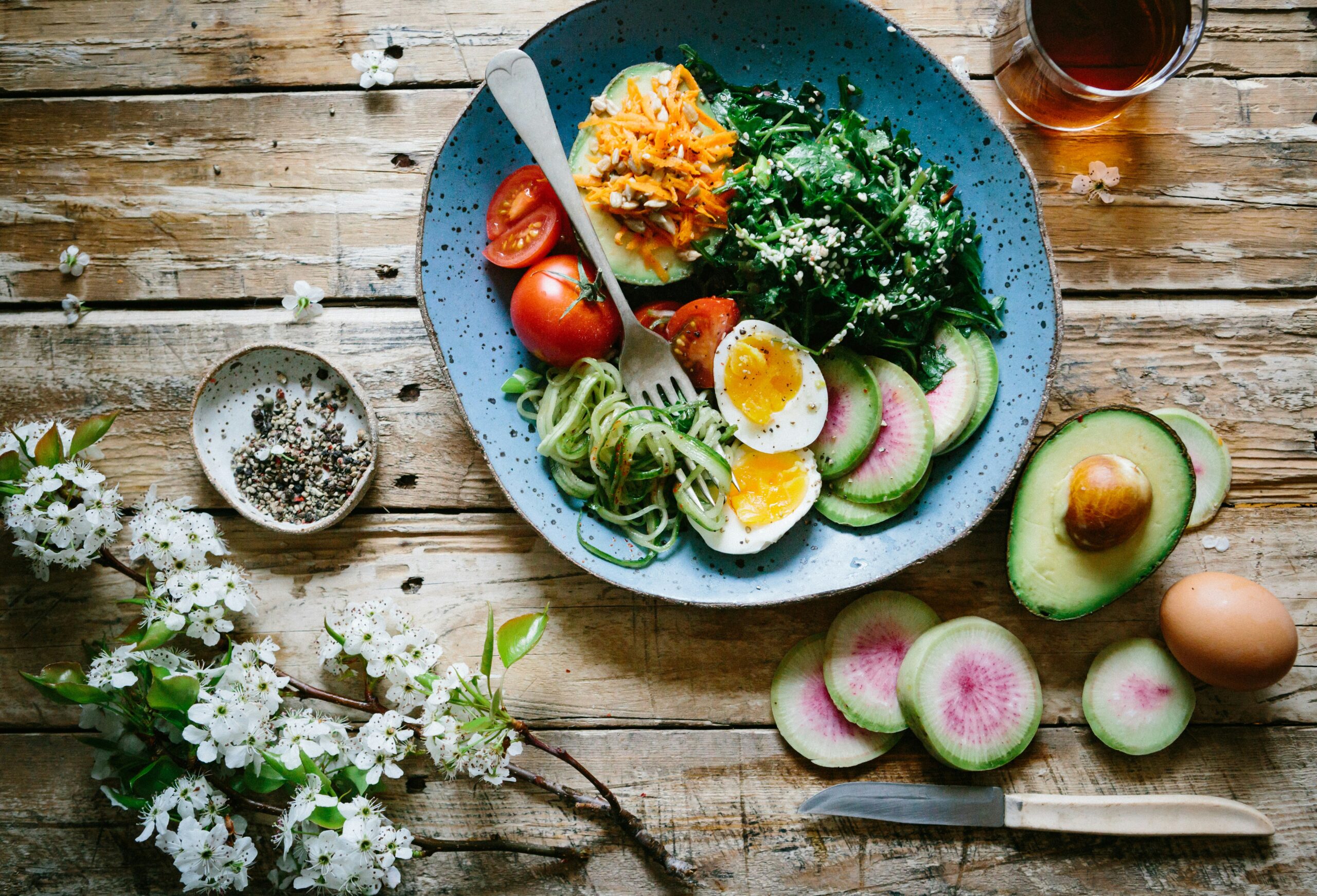
1. Adapt Your Diet: Begin adjusting your meal times and content a few days before departure to align more closely with your destination’s local cuisine. This might include shifting to lighter or spicier meals, depending on where you’re headed.

2. Increase Fibre Intake: Boost your digestion and prepare your intestines for different foods by incorporating more fibre-rich foods, such as legumes, vegetables, and whole grains, into your meals.

3. Prebiotics and Probiotics: Start taking a prebiotic supplement and increase your intake of probiotic-rich foods like kefir, fermented vegetables, and live yogurt. These help stabilize your gut flora and can prevent travel-related issues like diarrhea. Recommended strains include Lactobacillus rhamnosus (LGG), Lactobacillus acidophilus, Lactobacillus casei, and Bifidobacterium bifidum.

4. Stay Hydrated: Carry water with you at all times and supplement your hydration with beverages and foods high in water content, such as herbal teas, soups, and fruits like watermelon or cucumber.

Tips for Maintaining Gut Health While on the Move

1. Mindful Eating: Once at your destination, try to eat mindfully. Overindulgence is easy but can lead to indigestion, heartburn, and bloating. Eating slowly and choosing smaller portions can help mitigate these issues.

2. Pack Smart Snacks: Bring along gut-friendly snacks such as nuts, fresh fruits, plain popcorn, and whole-grain products to avoid relying on unhealthy airport or roadside food.

3. Manage Jet Lag: If crossing multiple time zones, gradually adjust your meal and sleep schedules a few days prior to your departure to ease your body into the new routine.

4. Stay Active: Engage in regular physical activity to boost your gut motility. Simple exercises like stretching or walking can be incredibly beneficial, especially after long periods of sitting.

5. Choose Safe Foods: Be cautious with street food or buffet items. Opt for freshly cooked, hot meals and consider plant-based options, which are often safer and easier on the stomach than meat or fish in high-risk areas.

6. Practice Good Hygiene: Wash your hands frequently with soap and warm water, particularly after using the bathroom and before eating. Use hand sanitizer as an additional precaution.

By preparing in advance and adopting these healthy habits, you can help ensure that your gut health is maintained, allowing you to enjoy your travels fully. Remember, the key to a successful trip lies in taking care of your body’s needs, and that starts with gut health.

Five tips to help you train while fasting

Five tips to help you train while fasting

Training while fasting can be a great way to challenge your body and improve your overall fitness level. However, it’s essential to do it safely and effectively. Here are some tips for training while fasting:

  1. Pick right time to train: It’s best to exercise during the window of time when you’re able to eat. This typically means training in the morning before your first meal of the day or in the evening after your last meal. Training during a prolonged fast or when you’re feeling weak or dizzy is not recommended.
  2. Start slowly: If you’re new to training while fasting, start with a lower-intensity workout and gradually increase the intensity over time. This will help your body adjust to the new demands and prevent injury.
  3. Keep well hydrated: It’s essential to stay hydrated while fasting, especially during workouts. Drink plenty of water before, during, and after your workout to stay hydrated.
  4. Listen to your body: Pay attention to how your body feels during the workout. If you feel dizzy, lightheaded, or weak, stop immediately and break your fast.
  5. Refuel the right way: Refuel your body with nutrient-rich foods after your workout to help your muscles recover and replenish muscle gylcogen to fuel your next workout. This can include protein-rich foods such as eggs, fish, and chicken combined with carbohydrates and healthy fats.

Putting these tips into action can help you train effectively and safely while fasting. 

For advice about training during Ramadan click here 

Can you cure a hangover?

Can you cure a hangover?

Can you cure a hangover?

So, it’s that time of year again when all good intentions go to pot as we succumb to the excitement of the festive season and even the most ardent ambassadors of sobriety get swept up in the moment.  This time of year is synonymous with overindulgence and to be honest, why not enjoy yourself.  However, the fun times can come at a cost as we are left nursing the effects of a hangover the following day. For those with a more engaging social diary the whirlwind of events can start to take their toll as the festive season unfolds and heavy drinking over a long period can cause problems further down the line.

Research shows that we tend to drink more during the festive season and according to a survey commissioned by Cancer Research UK, young adults consume an average of 63 units in the run up to Christmas, which is the equivalent of 30 glasses of wine or 22 pints of beer.  As well as causing hangovers, this excess of booze can also affect our waistlines as these units contribute an extra 4000 calories (1).

What is a hangover?

The effects of drinking too much include headaches, dehydration, nausea and stomach ache as well as that non-descript feeling of anxiety experienced by some people and the lack of good quality sleep.  Alcohol is broken down in the liver and produces a compound called acetaldehyde, which is responsible for the unwanted side-effects of alcohol consumption. These effects become worse as you drink more, which leads to greater the build-up of acetaldehyde.

Whats the cure?

Everyone has their own take on the ultimate hangover cure but according to a large systematic review published by the British Medical Journal, researchers concluded that there was no convincing evidence for any conventional or complimentary interventions to prevent or treat them (2).  However, getting the basics right such as keeping hydrated, eating before drinking and choosing or avoiding certain foods and drinks may go some way to ease your pain.

Never drink on an empty stomach

Drinking on an empty stomach can be a recipe for disaster as this allows alcohol to be absorbed into the bloodstream more quickly.  According to the survey carried out by Cancer Research UK, a third of Brits aged 25-34-year olds said they skipped a meal to account for the extra calories (1).   The approach of avoiding food is seriously misguided as it not only increases the effect of alcohol but makes you more likely to nibble on bar snacks, buffets or visit the kebab house on the way home by stimulating the appetite.

Try to eat something before you go out even if it’s a sandwich on the way to the pub and choose something substantial with a good source of protein and healthy fats such as tuna sandwich, which will have more impact than a light salad.

Avoid dark coloured drinks

Dark coloured drinks such as brown spirits and red wine are rich in compounds called congeners.  These are impurities produced during the fermentation process, which add to the taste, aroma and appearance of dark coloured drinks.  The higher the concentration of congeners the more intense the hangover is likely to be the following day.

Hydrate!!!!

Few of us appreciate the impact of dehydration on the body, which can leave you feeling lightheaded, tired, confused and irritable. The body can survive for some time without food but not without water, which is why the effects of dehydration are felt more quickly.  Dehydration is a key driver for hangovers, especially as alcohol inhibits the production of anti-diuretic hormone, which is used by the body to re-absorb water.  Falling ill from drinking and vomiting only adds to the impact of dehydration.

To keep hydrated throughout the evening, alternate your alcoholic drinks with water and increase the length of your drinks with soda water or low-calorie mixers.  Drink plenty of fluids before bed and the following day and adding in electrolyte sachets can help to rebalance your system and replace nutrients commonly depleted by alcohol such as magnesium, potassium, calcium and B vitamins.

Avoid the greasy fry-up

The greasy fry-up is ubiquitous with hangovers but can actually leave you feeling much worse.   Fatty foods such as fried eggs, fried bread, sausages and bacon can put a strain on your digestive system as they take longer to break down and may encourage indigestion as well as leaving you feeling sluggish during the day.

Try something lighter such as boiled, poached or scrambled eggs on toast.  Eggs are nutritional powerhouses and contain a good source of the amino acid cysteine, which helps the liver to breakdown acetaldehyde.  Low blood sugar also contributes to the hungover feeling so team your breakfast with a glass of fresh fruit juice as a natural source of sugar as well as vitamin  C.

Think twice before reaching for the coffee

Coffee is a great pick-me-up but caffeine can leave you feeling jittery and upset sensitive tummies. Not everyone is as sensitive to the effects of caffeine so it’s a matter of personal choice.  Herbal teas are a good way to hydrate and ingredients such as ginger can help with nausea as well as providing an invigorating zingy flavour.  Ginger can be enjoyed as a tea by adding 1-2 tsp of ginger powder, ½ a lemon and 2 tsp of honey to a teapot, topping with hot water and leaving to brew for five minutes before serving.  The addition of a little honey can provide a gentle way to rebalance blood sugar levels.

Avoid energy drinks

Don’t be tempted by energy drinks as they are often high in sugar.  Some brands contain as much as 45g or 9 tsp of sugar per 500ml can, which will cause a serious sugar rush followed by a major crash, especially if drunk on an empty stomach.  These drinks, even if sugar- free are also loaded with high amounts of caffeine and other stimulants that can leave you feeling jittery and increase bowel spasms, especially in sensitive hungover guts.

Artichoke supplements may help

This supplement stimulates bile production and can help to relieve bloating and other symptoms of indigestion associated with alcohol consumption.  If you know you have a hectic month of over-indulgence ahead of you then try taking this supplement daily.

Foods that may help to promote good liver function

Certain foods may encourage greater bile flow through the liver, which helps to remove toxins more efficiently.   These include bitter and dark green vegetables (rocket, cabbage, kale and cabbage) and  globe artichokes.  Beetroot has also been traditionally associated with liver health by way of a plant compound called betaine.  All vegetables are hugely beneficial to health so the message here is just to eat more of them in general!!

I hate to be the bearer of bad news, but the reality is that there is no miracle cure when it comes to hangovers and how rough you feel is largely dependent on how much you have drunk.  Whilst there are plenty of useful tips such as those above to help you feel a little less shabby the following day, it’s important to always drink sensibly.


References 

  1. Cancer Research UK Dryathlon 
  2. https://www.bmj.com/content/331/7531/1515