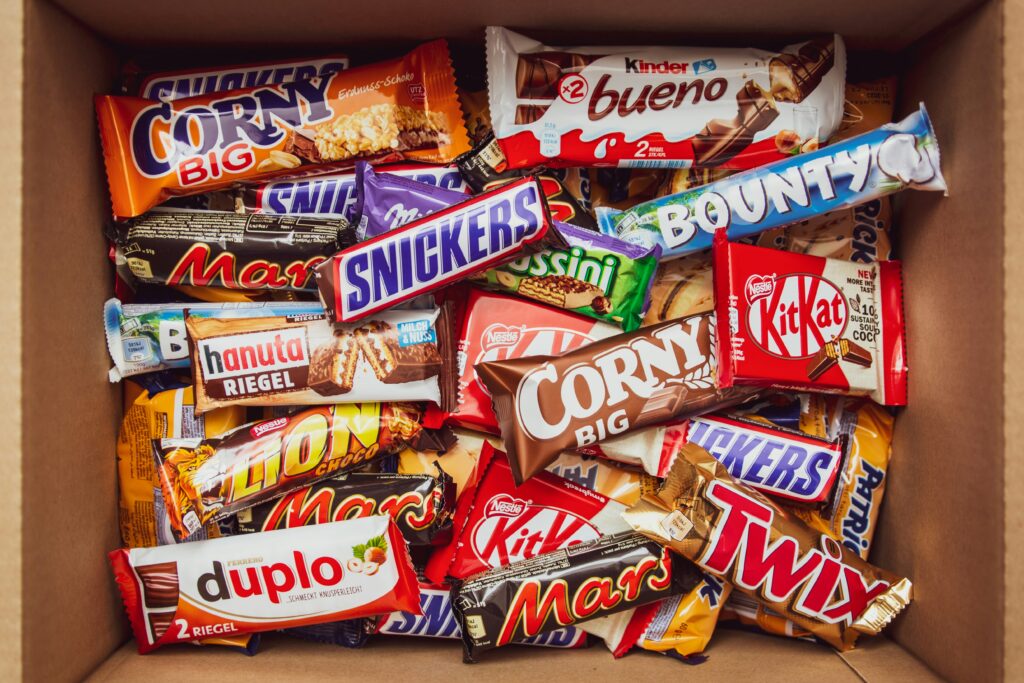
The journey of ultra-processed foods (UPFs) over the last 25 years is a tale woven with global economic shifts, cultural transformations, technological progress, and escalating health concerns. When I embarked on my nutrition career nearly two decades ago, the primary worries about what were then dubbed “processed foods” centered on their high levels of fat, salt, and sugar. Now, recognized as ultra-processed, these foods are implicated in adverse health outcomes for more expansive reasons, including their additives, altered food matrixes, and aggressive marketing strategies.

How Did the Rise of Ultra-Processed Foods Occur?
Characterised by an abundance of additives, preservatives, and artificial ingredients, UPFs began to dominate markets in the late 20th century. This era heralded a quest for longer shelf life and cost-effectiveness, making food more accessible. Advances in food technology and global supply chains facilitated the mass production and widespread distribution of these foods, aligning with the modern era’s fast-paced lifestyle where convenience often dictates food choice.
1990s: The Foundation Years
The 1990s saw significant changes in food consumption patterns. Economic globalisation propelled multinational food corporations, introducing UPFs globally. This period marked a shift towards convenience foods, ready-to-eat meals, and fast food, driven by women’s increasing workforce participation, urbanisation, and the rising demand for time and cost-efficient food solutions.\

2000s: The UPF Boom Years
The early 2000s witnessed a surge in UPFs’ variety and availability. Technological innovations in food processing and marketing strategies aimed at both children and adults led to a spike in ultra-processed food consumption. UPFs began to replace traditional diets, especially in developing countries, altering global dietary patterns.
The Last 10 Years: The Backlash Begins
The past decade highlighted the health risks associated with UPFs. Research increasingly connected these foods to obesity, type 2 diabetes, cardiovascular diseases, and some cancers. The combination of high sugar, unhealthy fats, and salt content, alongside low nutritional value, placed UPFs at the heart of public health discussions.
Sustain, a UK NGO, has been advocating for a 9pm advertising watershed and an online ban for unhealthy food and drink ads. However, implementation has been postponed to 2025—a delay that seems short-sighted given the alarming obesity and type 2 diabetes rates among children and teenagers.
 Current Concerns and Forward Look
The COVID-19 pandemic underscored the risks associated with poor diets, as those with diet-related diseases faced higher severe illness risks. Global health organizations now call for a decrease in UPF consumption and urge governments to foster healthier food environments through policies like sugar taxes and clear food labeling, and promoting fresh, minimally processed foods.
As we look ahead, the challenge is to balance UPF convenience with the need for nutritious, budget-friendly diets. Food science innovations are creating healthier UPF alternatives, including plant-based options and nutrient-fortified foods. Yet, the real change may come from a societal shift towards valuing healthful, whole foods over convenience.