Diet

Home / Posts tagged "Diet" (Page 2)
Spicy Cajun salmon with mango, sweetcorn and avocado salsa

Spicy Cajun salmon with mango, sweetcorn and avocado salsa

Spicy Cajun salmon with mango, sweetcorn and avocado salsa

Serves 6

Ingredients

2 tbsp smoked paprika

2 tsp dried oregano

¼ tsp cayenne pepper (add more if you want it hotter)

1 tbsp soft brown sugar

1 lime, zested and juiced

1 garlic clove, crushed

2 tbsp light olive oil

3 sweet peppers (different colours), deseeded and cut into chunks

2 red onions, peeled and cut into wedges

2 x 400g cans black beans, drained and rinsed

800g side of salmon, boned and scaled

Salt

Pepper

Salsa

2 large ripe avocados

1 small mango

½ small can sweetcorn

½ red chilli (add more if you want it hotter)

1 large handful of coriander, chopped

Method

  1. Pre-heat the oven to 200C/180C fan/gas 6.
  2. Add the paprika, oregano, cayenne, sugar, lime zest, garlic and oil to a bowl then combine and season with salt and pepper.
  3. Place the peppers, onions and beans in a largeroasting tin then add half the spice paste and roast in the oven for 25 mins.
  4. Once cooked remove the vegetables and beans and give them a good mix. Place the salmon on top of the mixture skin side down skin-side down, then brush over the remaining spice paste. Bake for a further 25 mins, until the salmon is cooked through.
  5. While the salmon is cooking prepare the salsa. Peel and de-stone the avocado and mango then chop into small chunks and place in a small bowl. Add the sweetcorn, chilli, coriander and lime juice. Season with a pinch of salt.
  6. Serve the salmon, vegetables and beans with the salsa.

Full nutrition analysis 

Crunchy radish, tomato and watermelon salad

Crunchy radish, tomato and watermelon salad

Crunchy radish, tomato and watermelon salad
Serves 8

This salad can be served as a side dish with grilled meats or fish. You can double the portion size and add black beans or tofu for a plant-based alternative. This salad is a source of nutrients including potassium which is helps to maintain healthy blood pressure and vitamin C which is a powerful antioxidant. The red fruits in this recipe contain a rich source of lycopene which is an antioxidant compound associated with prostate health in men. 

Ingredients

350g cherry tomatoes, halved
2 red onions, finely chopped
1 cucumber, peeled, deseeded and diced
200g red radish, quartered
300g watermelon, cut into small cubes
2 tbsp toasted pumpkin seeds

Dressing

3 tbsp light olive oil
1 tsp mustard seeds
1 tsp Dijon mustard
2 limes, juiced
2 tsp white sugar
½ red chilli, deseeded and finely chopped
Small handful mint leaves, shredded

Method

1. Prepare the salad by adding all the ingredients to a large mixing bowl and combining well.
2. Now set a small saucepan over a medium heat and add the oil. Once hot add the mustard seeds and fry until they start to pop. Tip the seeds into a bowl and leave to cool. Add the remaining dressing ingredients to the bowl with the mustard oil and whisk together.
3. Pour the dressing over the salad then season with salt and pepper. Combine well then leave to sit at room temperature for 15 minutes before serving.

Full nutrition analysis 


Calories on menus??


Calories on menus

Firstly, this is just my opinion on the whole debate around whether calories on menus are a good thing or not. I understand there are so many different angles here, so please feel free to agree or disagree with what I say.

I have been working with many food chains, helping them provide calories on the menus. The new legislation stipulates that all food outlets with more than 250 staff members clearly show the calories of their offering on the menu and website.

To be honest, this type of initiative is not new. I started working in public health 16 years ago, and over the years, there have been many similar initiatives. I have worked with food chains, catering companies, local authorities, schools, nurseries, care homes, and hospitals to help them nutritionally analyse their food. In light of this, many food chains have been providing nutritional information about their food for some time now. Hence, I don’t know what all the fuss is about!

What does the science say?

Several significant meta analysis and systematic review studies have investigated the impact of calorie labelling on food choice. Other studies have also looked at the effect these initiatives have had on food outlets creating healthier food options. 

The outcome of these studies has been mixed. Two such studies found little evidence to support a significant impact on the number of calories ordered by customers (1,2). However, other findings of the studies and interpretation by the authors offered a positive slant on calorie labelling (3,4,5). 

Long et al (2015) concluded that while calorie labelling may not support a significant impact on calories ordered, “it is a relatively low-cost education strategy that may lead customers to purchase slightly fewer calories.” (1)

Sinclair et al (2014) found a sex difference. Their study found that women used the information provided to select and consume fewer calories (2).

A large study published in Public Health Nutrition had more positive outcomes. This review of 15 studies found that nine showed statistically significant reductions in energy consumed, ordered, and selected as opposed to three that reported no effect. This study showed an overall reduction of 100 calories consumed, which in a real-world setting decreased to a mean of 78 calories (3). Like many studies of this nature, the obvious thing to state here is that this calorie deficit is small, but it’s a start, right?

Further to this, a Cochrane review published in 2018 found that calorie labelling on menus may reduce the energy purchased in restaurants. However, it was highlighted that the evidence was low-quality (4). 

All these studies represent the effects on food choice by the customer. Still, calories on menus should really be seen as a two-way street; if there is nothing healthy to eat on the menu, then how can people even make a healthy food choice in the first place?

Controversially, I dare say that food outlets and manufacturers can always ride the wave when these initiatives come into place. Still, they have a responsibility to react by looking at the food they offer to make it healthier. Many I have worked with have done so. 

You can’t rely on people making healthy food choices, so isn’t it evident that you need to get food outlets to look at the food on offer to make a real difference. This should be viewed as a responsibility of food outlets to go the extra mile to commit to consumer health. In these current times, championing this is a real positive in terms of PR, and I wish more would make more of this opportunity with a quid pro quo of being able to shout about it.

Positively a study published on JAMA Network Open found that amongst large chain restaurants included in the paper, implementing calories on menus was associated with introducing lower-calorie items (5).

While restaurants may be concerned about taste, I argue that there are many ways to reduce the calories of the food offered without altering the taste. I have worked with many restaurants to achieve this in the most straightforward ways by making small changes to the recipes; the same way I would approach weight loss with a client. Using a little less oil, reducing the sugar, switching to low-fat dairy, and other such changes can significantly impact the overall calories while not impacting flavour or taste. 

How has the news been represented in the media?

There have been plenty of articles in the news full of cynicism from food chains and customers alike, which I find really irritating. I think transparency is a good thing, and having the calories on menus allows someone to make a healthy food choice. If you choose to ignore them, that’s cool; you do you. If it helps even a small percentage of people manage their weight, that’s a good thing. 

What would you suggest if you don’t think it is a good idea?

Criticism is easy when looking from the outside in, but something needs to be done when faced with a nation where 63% of adults are overweight or obese. This is not just about improving an individual’s health but also helping to reduce the costs and strain it has on our health services.

Some argue that showing calories on menus may be bad for those with eating disorders, and I agree with this. However, this represents a small percentage of the population, and I am not sure this is a reason to abandon the initiative. 

Others feel it will make their dining experience less enjoyable as they question their food choices but is this not the whole reason behind the initiative? Is this really going to ruin your night out?

Is eating out a treat these days?

I have historically advised clients to enjoy meals out and view them as a treat, but this was when eating out was limited to a few times a month. These days it’s tricky to give this advice as so many of us eat out more regularly every week. Then, of course, there is Deliveroo and other such delivery services bringing restaurant food to your home, which is the same as eating out.

How does this legislation impact food outlets?

There is an issue of cost to food outlets. These costs can include employing a nutritionist to do the analysis of their products or buying software and paying for someone’s time to do the job. 

The process can also open a can of worms for some food outlets. Some of the food on offer may be very high in calories, which can even be the case for their healthier options. Re-developing recipes take time and collaboration with a nutritionist meaning billable hours.

Changing a recipe may also make it less tasty, possibly influencing a customer’s decision to eat at your restaurant. More importantly, chefs may limit their creativity in the kitchen, where flavour always comes first. I personally see this as an exciting challenge for chefs, and many I have worked with are passionate about health and have embraced the idea of creating healthier dishes. 

Why is the legislation not for all food outlets?

While I am sure there is a good reason why the Government has decided to limit the campaign to food outlets with more than 250 staff, it still doesn’t make sense. Apologies, as I haven’t really looked into this. What if you buy your lunch at the local cafe every day?

Is focusing on calories alone helpful?

While calories are a good benchmark for people to understand how much they are eating, they shouldn’t lose sight of the basic principles of healthy eating. Calories represent the energy in food, but diet quality is just if not more important. Focusing on calories alone will not ensure a balanced diet if you pick and choose less healthy options within your desired calorie quota. 

How do I feel about the legislation?

To be honest, you can’t do right for doing wrong when it comes to public health. I don’t think the Government should be criticised for this latest attempt to tackle obesity, and any initiative to do so is a good thing, so we shouldn’t lose sight of that. How people engage with this initiative is also dependent on other ways in which diet and health are promoted within public health. This strategy of putting calories on menus should be viewed as supplementary to other advice to cut down on salt, reduce sugar and eat 5-a-day.

How does the media influence food choice? 

There is so much ”noise” around nutrition, and if you take a step back, you will see that most of it is about offering quick fix ways to improve your health, including losing weight. When you dig deeper, this is often about selling books and health products. I have no issue with the food and wellness industry, and I have written books and worked with many businesses within it, but while some offer something helpful others offer a pipe dream based on very little science. 

What’sWhat’s the bottom line, in my opinion?

The bottom line here is that there is no quick fix to improve your health and lose weight. Achieving your health goals and losing weight takes time and how long this takes depends on your starting point and the goal you want to achieve. This means commitment but sticking to a plan of action is one of the most demanding challenges.

So, are calories on menus a good thing? Yes, in my opinion, definitely, but it should be viewed as one of many tools designed to help people achieve their health and weight loss goals rather than being viewed as a stand-alone thing. 

Improving health and promoting weight loss is ultimately about behaviour change, which is down to the individual. You can show someone that the food they are choosing to eat may not be good for them, but they are unlikely to make that choice until they are ready to change their behaviour. As I said earlier, I think food outlets should make some effort to improve the nutritional quality of their food, and to be fair, many I have worked with are really open to this and have either done or plan to do so.


References 

  1. https://www.ncbi.nlm.nih.gov/pmc/articles/PMC4386504/
  2. https://pubmed.ncbi.nlm.nih.gov/25037558/
  3. https://pubmed.ncbi.nlm.nih.gov/26714776/
  4. https://www.cochranelibrary.com/cdsr/doi/10.1002/14651858.CD009315.pub2/full
  5. https://pubmed.ncbi.nlm.nih.gov/34967879/

Everything athletes need to know about protein

What is protein?

Protein is one of the three macronutrients alongside carbohydrates and fats. These are required in larger amounts for the body to function properly and they provide a source of energy. While protein can provide energy its main function is for the growth and repair of muscle, bone, skin, enzymes, hormones and other components critical to bodily functions.

Proteins are made up of smaller molecules called amino acids. There are 20 different amino acids which link together in different combinations to form complex structures. Nine of these amino acids can’t be made in the body and must be gleaned from the diet which is why they are referred to as being ‘essential’.


How much protein does a healthy adult need?

UK dietary guidelines (based on a sedentary population) recommend 56g of protein for men and 45g for women daily. These guidelines are based on a dietary intake of 0.75g protein per kg of body weight1.

How much protein do we get in our diet?

The National Diet and Nutrition Survey (2020) has shown that protein intake in healthy adults is well above the recommendations as men consume 85g and women 68g daily2. Some people may need more protein in their diets, such as pregnant women, those recovering from illness or injury, and athletes engaged in endurance or strength-based sports.


What are the best sources of protein in the diet?

The topic of protein in the diet is just as much about quality as it is quantity. The quality of a protein is gauged on its essential amino acid content and you could also factor in how it appears in a food; for example, a lean steak would be considered healthier that a meat pie or sausage.

Foods such as meat, poultry, fish, dairy, eggs, and whole sources of soy (tofu, edamame beans, tempeh) contain all nine essential amino acids.

Plant-based sources such as beans, pulses, lentils, nuts, and seeds contain some but not all the essential amino acids. People following a plant-based diet should endeavour to consume a variety of different foods rich in protein across the day.


How does an athletes protein requirement differ?

Despite the importance of nutrition many athletes still seem to be confused about what to eat. Commonly, athletes consume above and beyond the amount of protein required to support their needs. This high intake of protein comes at the expense of carbohydrates which in the case of endurance athletes or team sports players may hamper performance.

Understanding protein requirements in athletes is often about establishing a better macronutrient split in favour of carbs rather than dealing with insufficiency.

Recommendations for protein intake amongst athletes vary depending on the type of sport. They are given as grams per kg of body weight per day3,4.

  • Regular physical activity                                                1.0-1.2 g
  • Endurance athletes                                                       1.2-1.4g
  • Team sports (rugby, football)                                         1.2-1.4g
  • Strength/power athletes (weightlifting, wrestling)          1.2-2.0g


Timing is key for muscle protein synthesis

Timing is crucial and consuming protein shortly after exercise is beneficial for muscle protein synthesis (MPS). Consuming protein after training is also facilitates the skeletal muscle adaptive response to each session resulting in more effective muscle reconditioning.

Muscle protein gains in response to resistance exercise are influenced by the training load and the amount, type, and timing of protein during the following 24-48 hours. The anabolic muscle response (growth and building) peaks after consuming 20-25g of protein. Excess of this doesn’t appear to have any more significant effect. This means consuming around 25g of protein post-training and at regular intervals (every few hours) across the day is a more beneficial strategy than higher doses less often.


The type of protein is also important

The amino acid leucine increases the rate of protein synthesis. A post-training meal should be in the form of a rapidly digested protein with a high leucine content such as whey, skimmed milk, and eggs. Whey protein seems to be the most effective at increasing MPS due to its rapid digestion and absorption and its composition of amino acids. Other proteins consumed over the day should be lean and high-quality, containing all the essential amino acids, predominantly animal sources. These can also be supplemented with soy, beans, cheese, and nuts.

Consuming 40g of casein protein before bed has been shown to increase overnight MPS and metabolic rate as it is broken down and releases its amino acids more slowly5.


What is the role of protein in building muscle?

After consuming protein, enzymes in the stomach and small intestine break them down into chains of amino acids called peptides. Training causes microtears which trigger an immune response involving stem cells and growth hormone that use the amino acids to repair the damage. These amino acids are sent to damaged muscle cells to stimulate myofibrils’ growth, which are the filaments that make up muscles. These myofibrils fuse with damaged areas of muscle fibres which is a process that helps to make them bigger and stronger.


Do athletes need protein shakes?

You can get all the protein you need from the diet, but sometimes it may be more convenient to consume a protein shake. These shakes are most useful after a training session as they take very little preparation and can be consumed on the go. Shakes also guarantee the correct quantity and quality of protein, comprising all the essential amino acids, including leucine.

Athletes with a high requirement for protein or those following a vegan diet may choose to consume more than one of these shakes a day to ensure their intake. Shakes containing less that 20g of protein are better taken alongside a source of carbohydrate as the release of insulin can help with its uptake. You can do this by blending honey and fruit such as bananas or berries.


Is there a danger of consuming too much protein?

There is no benefit to consuming more protein than is required. It has been claimed that consuming more than 3g/kg/day of protein has adverse side effects, including kidney damage, increased blood lipoproteins (substances made of protein and fat that carry cholesterol around the body), and dehydration.

Consuming up to 2g/kg/day is not harmful. Still, this level of protein intake may come at the expense of carbohydrate and fat when trying to keep energy intake constant which is a crucial consideration for endurance athletes. Athletes consuming a high amount of protein in their diet need to ensure an adequate intake of fluids to avoid dehydration.

References

  1. Dietary reference values for food energy and nutrients for the United Kingdom. Report of the Panel on Dietary Reference Values of the Committee on Medical Aspects of Food Policy. (1991). Reports on health and social subjects, 41, 1–210.
  2. https://www.gov.uk/government/statistics/ndns-results-from-years-9-to-11-2016-to-2017-and-2018-to-2019
  3. Phillips, S. M., & Van Loon, L. J. (2011). Dietary protein for athletes: from requirements to optimum adaptation. Journal of sports sciences, 29 Suppl 1, S29–S38.
  4. American Dietetic Association, Dietitians of Canada, American College of Sports Medicine, Rodriguez, N. R., Di Marco, N. M., & Langley, S. (2009). American College of Sports Medicine position stand. Nutrition and athletic performance. Medicine and science in sports and exercise, 41(3), 709–731.
  5. Res, P. T., Groen, B., Pennings, B., Beelen, M., Wallis, G. A., Gijsen, A. P., Senden, J. M., & VAN Loon, L. J. (2012). Protein ingestion before sleep improves postexercise overnight recovery. Medicine and science in sports and exercise, 44(8), 1560–1569.

Useful resources

Joint Position Statement on Nutrition and Athletic Performance – American College of Sports Medicine, Academy of Nutrition and Dietetics and Dietitians of Canada

Are sleep trackers useful?

What’s the deal with sleep trackers?

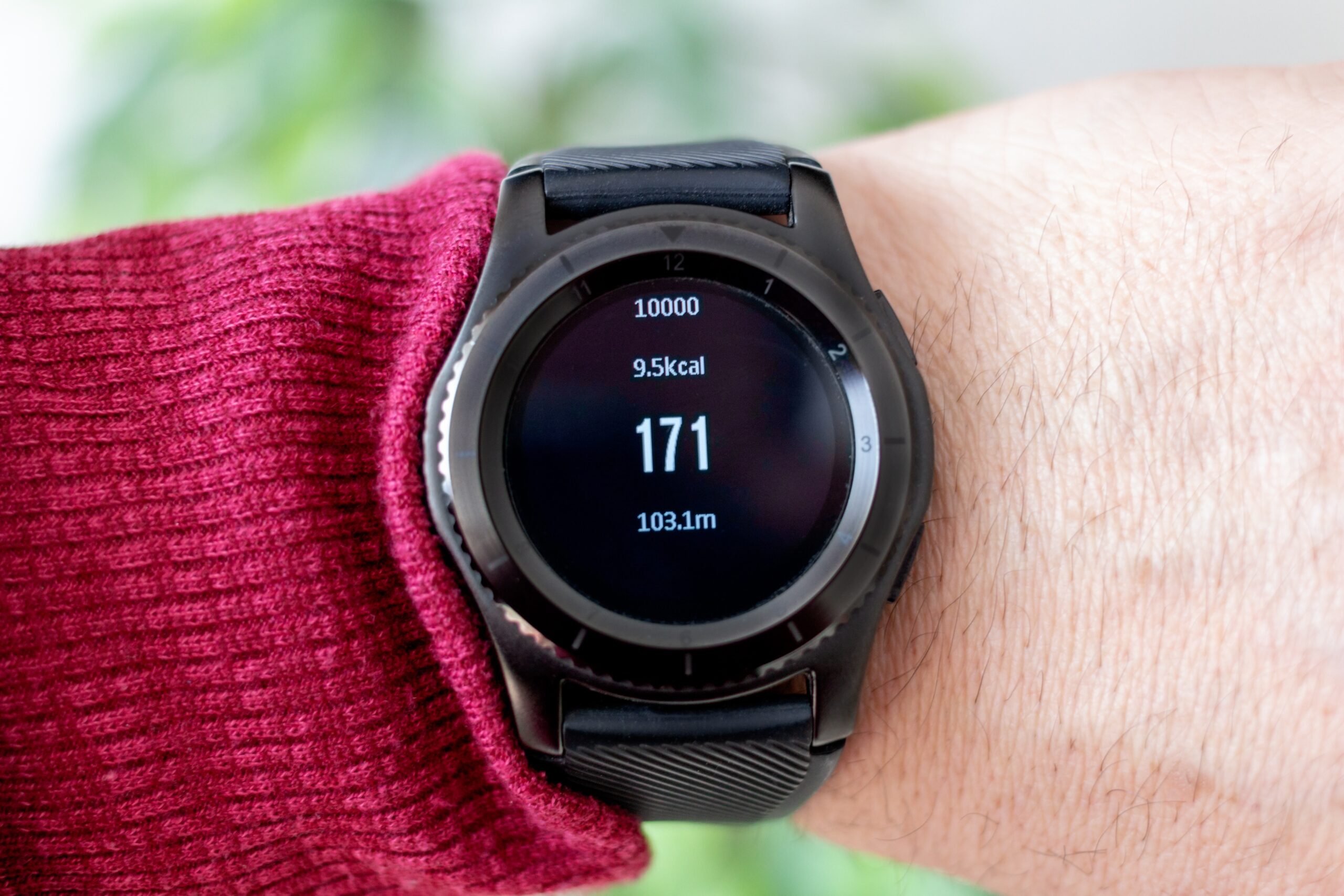
Health tech is ever evolving, and trackers such as FitBit and smartwatches are something that has been adopted by anyone serious about looking after their health. These trackers and associated apps can monitor everything from heart rate to dietary intake.

Many people also use these devices to monitor their sleep, even more so as research begins to unveil the true impact of not sleeping well. However, the accuracy of these trackers to monitor sleep accurately has come into question. In some cases, an overreliance and obsession over the data they provide have led to further sleep issues.


How much sleep do you need?

Current advice around sleep is that the average healthy adult needs 6-9 hours a night1. Like everything related to health, there is no ‘one-size-fits-all’ for sleep and indeed no magic number. The variability in sleep times between individuals may be down to genetics and numerous other lifestyle factors. In fact, a decade ago, researchers discovered a genetic mutation in some people linked to short sleep, meaning they got the same benefit on six hours of sleep as those without the mutation who got eight2. Since then, several other similar genes have been discovered, contributing to the evidence that functioning well on less sleep is a genetic trait.

Research is ever evolving around sleep. There is plenty to suggest that a lack of it is linked to an increased risk of heart disease, high blood pressure, stroke, obesity, type 2 diabetes, depression, and anxiety3. However, the definition of ‘lack of sleep’ varies between individuals, so it’s wrong to assume that there will be health consequences if you get less than eight hours a night. It is also not just about total sleep time but sleep quality.

What are the stages of sleep?

Four sleep stages make up a single cycle that lasts around 90 minutes and the number of cycles that occur is dependent on how long you are asleep.

Stage one is short only lasting 5-10 minutes. Sleep is shallow during this stage, and while your brain is dipped into sleep, you may not feel as though you are asleep. This is the stage at which you can be easily woken.

Stage two is often referred to as light sleep. It’s an important stage that takes up much of the night and is characterised by a slowing down of breathing and heart rate. During the first sleep cycle, this stage lasts around 10-25 mins but increases during subsequent cycles to make up half of the time you spend asleep.

Stage three is deep sleep, and it is difficult to wake people up from this stage in the cycle. The body totally relaxes during this stage, and your pulse and breathing rate drops even further. This stage is restorative and essential for recovery and growth and bolstering the immune system. The body is vulnerable during this stage, so after the first couple of sleep cycles, the time spent in this stage reduces as you spend more time in REM sleep.

The final stage of sleep is REM. During this stage, the body is inactive, but your eyes move rapidly hence the name. Heart rate increases and breathing becomes more irregular during this stage. Bodily functions such as protein synthesis peek at this stage, which is also when you are most likely to dream. This stage is also essential for cognition, learning, and creativity.

So, back to sleep trackers.


How do sleep trackers monitor sleep?

Sleep trackers monitor sleep by movement and heart rate, but their accuracy is certainly not 100%. Just because you’re not moving doesn’t necessarily mean you are asleep, which is a flaw in the tech. Wearables that monitor heart rate are likely to be a little more accurate at defining between the sleep stages as it fluctuates between them.

Only a few studies compare the accuracy of sleep monitoring devices set against the recognised lab testing called polysomnography, which looks at brain waves, blood oxygen levels, heart rate, breathing, and eye and leg movements. One such study published in the journal Sleep Medical Reviews found that sleep trackers were only accurate 78% of the time when identifying sleep versus wakefulness. This accuracy dropped to just 38% when estimating how long it took participants to fall asleep4.


What information do sleep trackers provide?

Most sleep trackers will tell you how long you were asleep and awake during the night. The data is also broken down into the different stages of sleep, and how well you slept is given as a percentage score. This data is helpful to help identify your sleep pattern and provides a way of monitoring your sleep over time.

How people interpret, this data is an issue with these trackers. Most people do not understand how sleep cycles work and how the timing of each stage varies during the night. A common misconception is that you should be getting lots of deep sleep when this is the stage you spend the least time in during the night.

Sleep trackers also have no way of assessing exactly how much sleep you need. Most trackers give you a higher score for getting closer to eight hours a night, but this is misleading if you only need six hours to function optimally.


Can sleep trackers do more harm than good?

While the information provided by sleep trackers can be helpful, it can’t be relied upon to give you an accurate analysis. In some instances, people have become too focused on this data in their quest to achieve the perfect sleep score. This obsessive focus can cause anxiety and unhealthy sleep behaviours, ironically disrupting sleep.

Researchers have coined the term ‘orthosomnia’ to describe the potential risks associated with people who develop an unhealthy preoccupation with improving the data from their sleep tracker5. Studies on the topic have shown how people self-diagnose and convince themselves they have a sleep disorder based on their sleep data even though they may not5. The knock-on effect is increased stress and time and money wasted investigating the issue.

Some people may also spend excessive time in bed to improve their sleep scores. The problem with this behaviour is that it reinforces poor sleeping habits and can condition the body for sleeplessness, leading to future issues with insomnia further down the line.


How useful are sleep trackers?

Sleep trackers provide some helpful insight into your sleep patterns, and they offer a way to monitor this over time. They won’t help you get a better night’s sleep, as this is down to good sleep hygiene habits.

The problem with many health techs is that it needs to be programmed around a set of algorithms based on generic data or information imputed by the user. As far as sleep is concerned, wearables do not have the functionality to establish precisely how much sleep you need to function at your best. Research has shown how people become more reliant on their tracker to tell them whether they got a restful sleep. The only way to figure this out is by listening to your own body. Rather than focusing too much on numbers, it is better to assume you are getting enough sleep if you wake up fully rested and perform well during the day.

References

  1. Hirshkowitz, M., Whiton, K., Albert, S. M., Alessi, C., Bruni, O., DonCarlos, L., Hazen, N., Herman, J., Katz, E. S., Kheirandish-Gozal, L., Neubauer, D. N., O’Donnell, A. E., Ohayon, M., Peever, J., Rawding, R., Sachdeva, R. C., Setters, B., Vitiello, M. V., Ware, J. C., & Adams Hillard, P. J. (2015). National Sleep Foundation’s sleep time duration recommendations: methodology and results summary. Sleep health, 1(1), 40–43.
  2. Shi, G., Xing, L., Wu, D., Bhattacharyya, B. J., Jones, C. R., McMahon, T., Chong, S., Chen, J. A., Coppola, G., Geschwind, D., Krystal, A., Ptáček, L. J., & Fu, Y. H. (2019). A Rare Mutation of β1-Adrenergic Receptor Affects Sleep/Wake Behaviors. Neuron, 103(6), 1044–1055.e7.
  3. Nagai, M., Hoshide, S., & Kario, K. (2010). Sleep duration as a risk factor for cardiovascular disease- a review of the recent literature. Current cardiology reviews, 6(1), 54–61.
  4. Conley, S., Knies, A., Batten, J., Ash, G., Miner, B., Hwang, Y., Jeon, S., & Redeker, N. S. (2019). Agreement between actigraphic and polysomnographic measures of sleep in adults with and without chronic conditions: A systematic review and meta-analysis. Sleep medicine reviews, 46, 151–160. https://doi.org/10.1016/j.smrv.2019.05.001
  5. Baron, K. G., Abbott, S., Jao, N., Manalo, N., & Mullen, R. (2017). Orthosomnia: Are Some Patients Taking the Quantified Self Too Far?. Journal of clinical sleep medicine : JCSM : official publication of the American Academy of Sleep Medicine, 13(2), 351–354.

Key nutrients every man should include in their diet

Diet and men

Regardless of what sex you are it’s been shown time and again that diet and lifestyle choices have a significant impact on your health and reduce the risk of disease.  Men and women share similar risk factors for ill health and weight is a concern for everyone, but some conditions are more sex-specific and for men this includes certain cancers and prostate health.

Men can improve their health by eating a balanced diet overall but some nutrients may be worth focusing on to improve certain aspects of men’s health.


Fibre

Dietary fibre is a term that is used for plant-based carbohydrates but unlike other carbohydrates (such as sugars and starch) they are not easily digested in the small intestine and end up reaching the large intestine or colon. Fibre helps to aid digestion and has also been shown to help reduce the risk of heart disease and colorectal cancer (1).

Why is it important for men?

  • This nutrient is often overlooked in the diet, but it actually has a huge number of proven health benefits.
  • According to the UK National Diet and Nutrition Survey (NDNS) only 13% of men meet the recommended 30g of fibre per day (2).
  • A high fibre diet has been shown to help protect against heart disease – fibre can help to reduce LDL cholesterol which is a risk factor for the condition (3).
  • Findings from the World Cancer Research Fund (WCRF) have shown that there is strong evidence that consuming foods containing dietary fibre (wholegrains in particular) decreases the risk of colorectal cancer which is a leading cause of premature death in men over 50 (1).
  • Fibre adds bulk to the diet and can help to retain fullness between meals which may help with weight loss.
  • Fibre helps to aid digestion and maintain a healthy microbiota (certain fibres in foods such as bananas, artichokes, asparagus, onions and garlic act as prebiotics which help gut bacteria to flourish).

What foods are rich in this nutrient?

  • The richest sources of dietary fibre are found in beans, pulses and lentils – a serving of these foods can offer as much as 1/3 of your recommended daily intake.
  • Wholegrains such a oats, brown rice and bran cereals are also a great source of fibre as are fruits (fresh and dried), vegetables, nuts and seeds.
  • Some foods contain certain fibres that can help to lower cholesterol such as oats (beta glucan) and fruits such as apples, grapes and berries (pectin).

How can you include more of this nutrient in your diet?

  • Start by eating more fruits (fresh and dried) and vegetables. This includes snacking so try keeping chopped fruit and vegetables in the fridge which can be eaten alone or with a dip.
  • Leave the skin on fruits and vegetables.
  • Add beans, pulses and lentils to dishes such as one-pot meals (stews, soups, curries and casseroles) and salads – these foods can also be used to make high-fibre dips such as hummus.
  • Switch from white starchy foods to brown – this includes bread, pasta, rice and breakfast cereals.
  • Keep nuts and seeds to hand as they can be eaten as a high-fibre snack or used to top an endless number of dishes including yoghurt, salads and stir-fries. Keep them in small jars on your worktop so you remember to use them.


Omega 3

These essential fats have to be obtained from the diet as the body cannot make them.  Omega 3 fats include EPA and DHA from oily fish and ALA found in plants. These fats are integral to cell membranes and provide a starting point for hormones that regulate blood clotting, contraction and relaxation of artery walls as well as reducing inflammation in the body.

Why is it important for men?

  • Very few adults including men eat oily fish on a regular basis (current advice is one serving per week).
  • There has been a lot of research surrounding the consumption of oily fish (rich in omega 3 fatty acids) and heart disease which is the leading cause of premature death in men. It has been shown that omega 3 fatty acids may help to improve risk factors for heart disease in several ways which includes:
    • Reducing triglycerides in the blood (4)
    • Reducing blood pressure levels in people with high blood pressure (4)
    • Increasing HDL (good) cholesterol (5)
    • Preventing harmful blood clots (omega 3 keeps blood platelets from clumping together) (6)
    • Reducing inflammation in the body (7)
  • Mental health is a major health concern for men and suicide has been shown to be a leading cause of death in men under 35 – depression is a common mental health disorder (8). Research has suggested that people who consume more omega 3 regularly are less likely to be depressed.  It has also been shown that when people with depression start taking omega 3 supplements their symptoms improve although this doesn’t mean it will cure the condition in all cases (9).
  • Research published in the journal JAMA Open Network has suggested that omega 3 supplements may be associated with higher semen volume and total sperm count which may be relevant to men trying to conceive (although these findings need to be confirmed with more thorough clinical trials) (10).

What foods are rich in this nutrient?

  • The richest source of omega 3 fatty acids are found in oily fish. This includes fresh salmon, trout, herring, pilchards, sardines, sprats and mackerel. Some canned fish are also rich in omega 3 and this includes salmon, pilchards and sardines.
  • Plant sources of omega 3 include nuts (especially walnuts), seeds, seed oils (especially chia and flax), tofu, edamame (soya) beans, avocado and whole wheat bread. These are not the best source of omega 3 the type of fatty acid (ALA) found in them is converted poorly in the body to the more usable EPA and DHA.

How can you include more of this nutrient in your diet?

  • Try grilling salmon, trout or mackerel and serving with a wholegrain and vegetables. Look out for interesting ways to flavour fish such as spices, marinades and salsa.  These fish work really well with fruity salsa’s made from ingredients such as papaya, mango, lime, avocado, coriander and chilli.
  • Try smoked salmon and scrambled egg for breakfast or as a light meal.
  • Pates are. Good way to get ore omega 3 and you can make these from smoked mackerel or canned fish such as salmon.
  • Keep seeds and nuts to hand to sprinkle over foods.
  • A good fish pie or pasta sauce is a great way to add more oily fish to your diet. Kedgeree is good too and a nice way to use smoked mackerel.  Fish curries also work well, and the strong flavours are good with oily fish such as salmon and trout.
  • Consider a supplement – vegan supplements are also available.


Zinc

Zinc has many roles in the body which include making new cells and enzymes, processing carbohydrates/fats/proteins in food and also helping wounds to heal.

Why is it important for men?

  • Zinc helps to support normal testosterone levels in men. Low levels of testosterone can result in low libido, fatigue, loss of muscle mass and in some cases erectile dysfunction.
  • Zinc is important for all male reproductive health and this includes the health of their prostate. Problems with prostate health may occur in men beyond the age of 50 and prostate enlargement (BPH)can causes symptoms such as frequent urination, weak urine stream and difficulty urinating – this can also have an impact on your pattern of sleep. Zinc may help to reduce the risk of developing enlarged prostate and reduce its size in those who have enlarged prostate (11).
  • Zinc is vital for male fertility as it is involved in making male sex hormones and sperm is thought to contain high levels of this mineral.
  • Zinc is important for the synthesis of protein and is also required to make the protein found in har called keratin. A healthy hairline is a concern for any men and while zinc may not slow down baldness it will ensure what you have is strong and healthy.

What foods are rich in this nutrient?

  • Food rich in zinc include beef, chicken (dark meat), tofu, nuts, seeds, lentils, low-fat yoghurt, oats, mushrooms, seafood, eggs, cheese, wholegrains and pulses.

How can you include more of this nutrient in your diet?

  • Keep nuts and seeds to hand so you remember to sprinkle them over dishes such as salads, porridge and yoghurt – well anything really!
  • Go plant-based a couple of times each week – Many plant-based foods are high in zinc and especially the ones that form the base for dishes such as lentils, beans, pulses and wholegrains.
  • Include a couple of servings of seafood in your diet each week as these foods are a good source of zinc – while oysters are the richest source, they are not high on everyone’s shopping list so try prawns, cram, clams and lobster.
  • Ditch breakfast cereal in favour of foods such as porridge, yoghurt, eggs and wholegrain toast which are all loaded with zinc.
  • Consider either a multivitamin and mineral supplement or zinc supplement.


Lycopene

Lycopene is a powerful antioxidant found in red or pink fruits and vegetables.  As an antioxidant it helps to reduce inflammation in the body and reduce the damage caused by excess free radicals.  Research has suggested that lycopene may play a role in protecting the body against heart disease, certain types of cancer and may even help protect against sun damage according to some studies.

Why is it important for men?

  • The World Cancer Research Fund has previously shown that lycopene probably helps to reduce the risk of prostate cancer in men. The latest report is not as convincing as no evidence could be drawn to show either way. Despite this, it is probably a good idea for men to still include lycopene rich foods as part of a healthy balanced diet (12).
  • Lycopene may also help to slow down the progression of enlarged prostate (BPH) in men (13).

What foods are rich in this nutrient?

  • The richest source of lycopene can be found in tomatoes and the more processed they are the greater the content of lycopene – tomato sauces, sundried tomatoes, tomato puree, canned chopped tomatoes.
  • You can also find lycopene in foods such as watermelon, guava, papaya, pink grapefruit and red peppers (cooked is best).

How can you include more of this nutrient in your diet?

  • Try to add a daily serving of tomatoes to your diet. Roasted tomatoes work well with scrambled egg, tropical fruits are great for breakfast and you can add chopped tomatoes to many dishes including sauces, curries and stews.
  • Sundried tomatoes make for a delicious snack or can be chopped into salads – great in the summer with mozzarella, sliced tomatoes and basil.
  • Consider taking a lycopene supplement.


Potassium

Potassium is a mineral that helps control the balance of fluids in the body, and also helps the heart muscle work properly.

Why is it important for men?

  • Potassium is required for fluid balance in the body which is associated with blood pressure. Blood pressure is a serious health problem which increases the risk of stroke – leading cause of premature death in men. 
  • Findings from the UK National Diet and Nutrition Survey (NDNS) have shown that average intakes of potassium in men are below the RNI – mean as a percentage of RNI is just 82% (2)
  • Further findings from the NDNS show that 11% of men have intakes below the lower reference nutrient intake which means they are simply not getting enough (2).

What foods are rich in this nutrient?

  • Foods highest in potassium include bananas, spinach, kale, beetroot, salmon, beans, pulses, lentils, avocado, potatoes, melon (all varieties), squash, courgette, low fat yoghurt, mushrooms, kiwi fruit, tomatoes.

How can you include more of this nutrient in your diet? 

  • Start by simply eating more vegetables on a daily basis. Vegetables are the richest source of potassium and one of the reasons intakes are low is because less than a third of men manage to eat 5-a-day.
  • Focus on including foods which are particularly rich in potassium. Try chopped banana on low fat yoghurt for breakfast or roast salmon with steamed green vegetables and boiled new potatoes for dinner.
  • Go plant based a few times each week. This will ensure you are eating more plant-foods rich in potassium.
  • Consider taking a multivitamin and mineral supplement.

References

  1. Diet, Nutrition, physical activity and colorectal cancer. World Cancer Research Fund (2018).
  2. National Diet and Nutrition Survey (2018)
  3. Brown L, Rosner B, Willett WW, Sacks FM. Cholesterol-lowering effects of dietary fiber: a meta-analysis. Am J Clin Nutr. 1999;69(1):30-42.
  4. Cazzola R, Russo-Volpe S, Miles EA, et al. Age- and dose-dependent effects of an eicosapentaenoic acid-rich oil on cardiovascular risk factors in healthy male subjects. Atherosclerosis. 2007;193(1):159-167.
  5. Eslick GD, Howe PR, Smith C, Priest R, Bensoussan A. Benefits of fish oil supplementation in hyperlipidemia: a systematic review and meta-analysis. Int J Cardiol. 2009;136(1):4-16.
  6. Marchioli R, Barzi F, Bomba E, et al. Early protection against sudden death by n-3 polyunsaturated fatty acids after myocardial infarction: time-course analysis of the results of the Gruppo Italiano per lo Studio della Sopravvivenza nell’Infarto Miocardico (GISSI)-Prevenzione. Circulation. 2002;105(16):1897-1903.
  7. Kiecolt-Glaser JK, Belury MA, Andridge R, Malarkey WB, Glaser R. Omega-3 supplementation lowers inflammation and anxiety in medical students: a randomized controlled trial. Brain Behav Immun. 2011;25(8):1725-1734.
  8. Suicides in Great Britian. Office for National Statistics (2016). https://www.ons.gov.uk/peoplepopulationandcommunity/birthsdeathsandmarriages/deaths/bulletins/suicidesintheunitedkingdom/2016registration
  9. Burhani MD, Rasenick MM. Fish oil and depression: The skinny on fats. J Integr Neurosci. 2017;16(s1):S115-S124. doi:10.3233/JIN-170072
  10. Salas-Huetos A. More Evidence of the Association of Diet With Human Testicular Function—Fish Oil Supplements. JAMA Netw Open.2020;3(1):e1919569
  11. Christudoss P, Selvakumar R, Fleming JJ, Gopalakrishnan G. Zinc status of patients with benign prostatic hyperplasia and prostate carcinoma. Indian J Urol. 2011;27(1):14-18.
  12. Diet, Nutrition, physical activity and prostate cancer. World Cancer Research Fund (2018).
  13. Schwarz S, Obermüller-Jevic UC, Hellmis E, Koch W, Jacobi G, Biesalski HK. Lycopene inhibits disease progression in patients with benign prostate hyperplasia.J Nutr. 2008;138(1):49-53.

What are the health benefits of herbs and spices?

What is a herb and spice?

The definition of a spice is an aromatic part of a tropical plant, whether that is a root, bark, flower or seed and except for vanilla, chilli and allspice, nearly all of them are of Asian origin. Dried herbs are fresh herbs that have been dried to preserve them for storage and to concentrate their flavour.

Dried herbs and spices are used to flavour dishes but they also possess some interesting health benefits including anti-inflammatory, anti-bacterial and antioxidant properties.


Ginger

This pungent root is native to Southeastern Asian countries including China, India and Nepal and has citrus notes and a peppery flavour.

 Ginger has been shown to help quell nausea associated with morning sickness, chemotherapy and sea sickness. Ginger has also been shown to help reduce inflammation in the body with one study suggesting commonalities with aspirin or ibuprofen for pain treatment in those with osteoarthritis.


Turmeric 

Turmeric is native to Southern India and Indonesia and it features frequently in their local cuisine. This spice contains a compound called curcumin which acts as a powerful anti-inflammatory in the body and research has drawn similarities to the effects of ibuprofen for pain relief in those with joint conditions. Reducing inflammation is important as it is considered to contribute to the development of almost every chronic Western disease.


Cinnamon

The spice is sometimes called Ceylon cinnamon as this is the bushy evergreen tree it originates from which is native to Sri Lanka, India and Burma.

The active compound in cinnamon is called cinnamaldehyde which may help to fight bacterial infections in the body. Cinnamon has been shown to help reduce blood sugar levels by slowing the breakdown of carbohydrates in the digestive tract and improving insulin sensitivity.


Sage

This herb is a member of the mint family and is commonly used to flavour savoury dishes albeit in small amounts given its pungent aroma.

Sage is a rich source of vitamin K which is used by the body to help with blood clotting. This herb is also rich in over one hundred polyphenol compounds that act as antioxidants in the body. Sage is recommended to help treat symptoms of the menopause as it contains phytoestrogens which act in a similar way as human oestrogen but with less effect.

Basil

This aromatic herb originated in India and other tropical regions spanning Africa to Southeast Asia. Today the largest producers of basil are centred around the Mediterranean especially Italy.

Basil contains the antioxidants beta carotene and anthocyanins which can help to protect cells in the body from oxidative stress considered to increase the risk of many diseases. Other research is thin on the ground but has suggested other health benefits including the reduction of high blood pressure.

Thyme

This herb originates from Southern Europe and the western Mediterranean and has a floral scent and peppery taste. The Egyptians used thyme as part of the embalming process while the Greeks used it as incense in their temples.

Thyme is believed to have antimicrobial properties which are due to a class of compounds called biocides including thymol. Studies have suggested that this compound may help to reduce bacterial resistance to drugs such as penicillin. Thyme tinctures has also been researched as an effective way to help treat the skin condition acne.


Rosemary

This herb is native to the Mediterranean and is a member of the mint family. The pungent and slightly bitter taste of rosemary has made it a common addition to savoury mint dishes especially those involving lamb.

In its dried form Rosemary is a source of iron which can make it a useful addition to the diet of those at risk of anaemia which is more common in women than men. Rosemary is often used in alternative medicine as a way of treating indigestion and its essential oil may help to improve concentration and mood according to research.


Mint

This herb is native to North America, South Africa and Australia and some of the most common varieties include peppermint.

Research has suggested that mint (peppermint oil) may help with the management of IBS by relaxing the muscles of the small colon relieving pain during bowel movements. Mint also helps to relieve bloating by relaxing muscles that link to the stomach to the oesophagus allowing trapped air to be expelled.

Adding plenty of herbs and spices to your cooking is not only a delicious way to add flavour to the dishes you prepare but may hold a vital key to helping promote your long-term health.

Men and disordered eating

I am not the kind of person who divulges or dwells too much on the past, but my sister posted this picture on my birthday. It drummed up a few memories about my eating habits at the time.

As you can tell by the picture, I clearly wasn’t eating well, but it was never addressed even though I looked terribly thin. I wouldn’t use the word anorexic as it was a phase that lasted just a couple of years, but when I think back, I had all the traits of an eating disorder.

I remember being obsessed with what I was eating while exercising a lot. I became infatuated with counting calories which I jotted down every day on scraps of paper, intending to consume no more than 800 calories a day. I knew the calories of many foods off by heart and could adjust them in my head for the serving size. Embarrassingly, I followed the diet plans found on the back pages of one of the Sunday paper magazines aimed at helping women to lose weight.

My meals consisted of banana sandwiches, cuppa soups, canned tuna, and tiny portions of pasta. I visited my local gym many times a week to do circuit training and aerobics (yes, can you imagine that one!). I also had weights in the shed that I used daily.

As I said earlier, no one really said a thing even though I looked the way I did and it was probably put down to being a skinny teen. I was 15, which would have been in the early ’90s and there was a lot of stuff going on for me at that age as my mum was very ill with cancer, but I was never told what was going on. I was also really struggling at school as I was gay, and it was clearly apparent, which resulted in a long period of bullying. Family life was also chaotic with lots of arguing and a brother who nowadays would have been diagnosed with ADHD.

Psychology is very twisted when you are in this state of mind. I didn’t want to be thin, but I thought I was being healthy. I also wanted to get ‘muscly’ as I was naturally thin but clearly had no idea what I was doing! I think the problem is that it is so easy to take things to the extreme especially when there is a lot of stuff going on around you and you don’t feel confident in your own skin.

I got a buzz from controlling my diet and exercising like a madman. Still, I needed to get grounded somehow and in control and given everything that was going on around me focusing on food and exercise was a way of doing this.

So, what is the point of this blog?

I have been doing lots of stuff around men’s health lately, and I think current society is tricky for young boys to navigate. In the same way women have always had to battle with how the ‘perfect’ body has been portrayed; I think young men are now becoming more exposed to the same type of thing in the media. This isn’t the reason for disordered eating but it can contribute to the issue.

As young girls grew up with barbie dolls and impossibly thin wasted female cartoon characters, boys grew up with muscley characters and action figures. The skinny characters are always seen as weaker and somewhat nerdy. Social media is also riddled with incredible-looking men with a body that is impossible to achieve for most boys. Alongside this, they all seem to lead an extraordinary life on Instagram and if you are feeling insecure about how you look you will attribute this all to how they look.

While many campaigns have helped women to accept, embrace and celebrate their size and shape I am not sure the same thing would be as affective for very slim men. There is quite a lot of stigma around very slim men which is bred from both men and women viewing them as less masculine, weak or less attractive than the macho man. I guess the same could also be said for larger men who I think may not be seen as sexy as the fuller figured woman – although this is just conjecture on my part so please don’t start laying in to me on that one.

One of the most common questions I get asked by men is “how can I bulk up” as they see this as more desirable, and let’s face it, other men and women find a sporty muscle bound body shape to be more attractive.

I got skinny, but many men fall into an unhealthy trap of bigorexia as they become obsessed with getting bulky, spending hours in the gym, and panicking when they can’t seek food or a protein shake every couple of hours.

I have seen and heard from young athletes (mostly endurance sports) who become obsessed with their weight, which can be to the detriment of their performance as they lack the energy and food required to help them train, recover and support a healthy immune system. This can also affect their mental health which is closely linked to performance. Interestingly, they too have become obsessed with food and training to become fitter and perform better rather than being thin but one thing leads to another and it starts to become an issue.

This period for me lasted a year or so and then I started to improve my eating habits and focusing less on food which may have been due to a change in environment and situation. I am still conscious about what I eat and thrive on being fit but it is no longer all consuming and certainly not an issue for me anymore as a 15 stone fitness junkie.

My training as a nutritionist and now sports nutritionist alongside all my experience in this field has given me the knowledge I wish I had when trying to be healthy as a youngster. I love delivering the right science-based advice to clients to help them improve their health in a sensible and sustainable way while also helping them to cut through the ‘noise’ that dominates the health media such as faddy diets and so on. I also hope that my experience of this puts me in a position to speak out and help guys struggling with disordered eating to seek help.

I’m not an expert in this field which relies on the expertise of psychologists and dietitians trained in the topic. I think disordered eating is still a topic considered to be a female issue and something many males may be embarrassed to seek help for as they feel it makes them look weak or less macho.

Unfortunately, I think there are many young boys and men who fall into the trap of disordered eating. There are obviously many reasons why this might happen but the one I am most familiar with in males is trying to improve the way they look or get fitter which alongside low self-esteem and other mental health issues gets taken to the extreme and becomes a problem.

Considering this, I think it’s an issue that should get a little more airtime. Hence, boys feel more comfortable speaking up when they think they are losing control. Even though the stereotype of disordered eating suggests it only occurs in women, one in three people struggling with an eating disorder is male. Subclinical disordered eating behaviours such as binging, purging, fasting for weight loss, and laxative abuse are almost as common in men as in women.

The roots of disordered eating usually lie in deeper embedded problems that can impact men’s mental health and wellbeing. The boys and men I have worked with over the years who are desperate to ‘bulk up’ are often really affected by how they view themselves physically, which affects their self-esteem and confidence.

I guess I just wanted to vent a little bit on the topic. I know it might seem weird as a nutritionist sharing this post but it is a topic I experienced and have often asked myself ‘why did no one recognise that it was a bit of a problem at the time?”. I think there are many issues for men that are still difficult to approach and ‘manning up’ is definitely not the answer.

If you need information or support on eating disorders then go to the Beat website.

Why did healthy eating get so complicated?

Why did healthy eating get so complicated?

Why has eating well become such as minefield?

Healthy eating has become a tricky little fellow over the years, but the basic messaging has not changed over the last few decades.  Eat more fruit and vegetables, choose wholegrain foods, choose low fat dairy foods, eat oily fish and opt for lean proteins are a few of the key messages.

Alongside this we are advised to eat less sugar and processed foods while also paying attention to the portion size of foods we choose to eat.  If you stick by these basic concepts, then you are likely to be eating in a way that will benefit your health and reduce the risk of disease.

“Only 30% of adults in the UK eat 5-a-day and only 4% of women and 9% of men achieve the recommended 30g of fibre daily according the NDNS survey”

Despite this simple messaging the majority of the population still don’t manage to eat a healthy balanced diet and are confused about what to eat.  There are also many other factors which influence food choice such as those relating to society, lifestyle, psychology, environment, food access and finances.

How has the food industry and modern culture impacted on food choice?

These basic healthy eating messages have been around long enough for most people to understand what a healthy plate of food looks like while also recognising that a piece of fruit or yoghurt is a better option than a mars bar if you fancy a snack. However, the way food is marketed and how health is interpreted in the media have likely caused some confusion.

The obesogenic environment

The obesogenic environment does not make it easy for people to make healthy food choices.  This concept was fist coined in the 1990’s as a hypothesis to help explain the obesity pandemic.

“The obesogenic environment is defined by the influence that the surroundings, opportunities or conditions have on promoting obesity on individuals or populations”

In 2007 the Government’s Foresight report was published and one of the highlights was the monumentally complex obesity system map. This map illustrates the many factors that contribute to energy balance including psychology, food production, food consumption, physiology, physical activity and physical activity environments (1).

Fast food

Yes, the crux of weight gain is eating less and moving more but you only have to take a look at this diagram to appreciate the many complexities involved in order for people to achieve this ideal (see below).

Foresight report

The complexities of this diagram highlight the fact that we all need to work together to help improve the health of the nation.  While the food industry has become much more transparent in their marketing of foods which is driven by legislation around health claims and food labelling,  supermarkets and other high street outlets are still offering promotions on unhealthy foods more than they are healthy food options.

How have our eating patterns and habits changed?

Modern eating habits have changed and one the most significant is our penchant for snacking.  In part this has been driven by the food industry and an ever-growing number of snacks made available to us.  Many of these snacks are marketed as being healthy or having a health benefit which implies, they should be a part of our daily diet.

“More than two thirds of people snack at least once a day according to Mintel who also predict that snacking will become more pertinent post COVID-19″

However, the reality is that snacking is only beneficial when we need more energy throughout the day to match our requirements.  Outside of this they are simply an opportunity to eat more than we need.

Snacking has also been driven by working hours and lifestyle. Both these factors can influence our ability to eat at set hours across the day and can also result in longer periods of time between meals.  In such instances, healthy snacking may prove useful to maintaining energy levels and overall nutritional intake.

How has the media influenced eating habits and perceptions of nutrition?

The growing interest in nutrition over the last couple of decades has led to an increase in scientific reporting in the media.  Over this time period we have also seen countless books on the topic which include those offering many different ways to lose weight as well as those questioning traditional thinking around nutrition.

In combination these two factors have contributed to skewing basic health messaging and a good example is the way in which dairy and gluten-free eating is now considered by many to be a healthier way to eat when in fact they should still be considered special diets reserved for those with food intolerances or conditions such as coeliac disease.

“Only 5% of the UK population are thought to suffer any degree of lactose maldigestion and 1% are thought to suffer with coeliac disease.  It has been estimated that 1-2% have a diagnosed food allergy”

This is not really a major problem as there is no real harm in omitting these foods as long as you understand how to adjust your diet to make up for any nutritional shortfalls.

The bigger issue is that in light of this foods have started to become labelled as ‘bad’ for us when in fact they are still healthy components of a balanced diet.

Media reporting of new research is often misleading as there is usually a bias towards positive findings.  However, on closer inspection the results are often confounded by various limitations of the research which might include sample size or the type of study and its strength (clinical trials are more reliable that rat studies).

Then there is the fact that the journalist has simply not understood or inaccurately reported the findings (although to be fair many experienced health journalists will take their lead from experts in the field).  I love to read the ‘Behind the Headlines’ section of NHS website (2) which brilliantly discusses some of the more popular scientific findings reported in the press.

What about social media?

Unlike other areas of health, people are surprisingly willing to take dietary advice from unqualified influencers or personal trainers with a hot bod and large social media following.

A survey carried out in 2017 on behalf of the British Dietetic Society showed that 58% of people would trust diet and nutrition advice given to them by their personal trainer or fitness instructor. Amongst young people, 41% said they would trust the advice given out by a healthy eating blogger which highlights the importance for more qualified professionals to have a greater voice on social media platforms (3).

“The UK public do not know who to trust for dietary advice according to research carried out by the British Dietetic Association“

Celebrities are also highly influential when it comes to food choice and as such, they are frequently used to support the sale of supplements and diet regimes.

Supplement celeb

These people may know a little about nutrition but where the expert excels is in taking a science-based approach to their practice which means they don’t offer advice based on personal experience or opinions. Why would you take advice from someone not qualified to do so? Would you let your PT take a tooth out?  Probably not.

Got a dodgy gut?  Bloated? Constipated? Someone unqualified told you to eat lots of fibre?  Let’s see how that pans out if what you actually have is IBS or even worse coeliac disease. Trying to lose weight?  Someone told you to cut out carbs and eat a shed load of fat in your diet?  Did they ask you if you had a family history of heart disease or whether you were aware of your cholesterol levels? You get my drift.

What about the trailblazers?

These are the guys who set out to challenge traditional thinking around nutrition.  Books and articles that attempt to question traditional thinking around nutrition can often cause a lot of confusion. I personally find this literature massively interesting, but I am qualified enough to read with a degree of objectivity and an understanding of the science.

Often these books are biased in favour of their topic and without this training and experience in nutrition and research it’s really easy to believe everything you read without question.  Also, if you read too many of these books, they can start to become a little contradictory making it tricky to see the woods for the trees.

Scales

A good example here is the debate around saturated fat in the diet which was sparked by findings of a landmark study in 2014 which found no significant evidence that saturated fat increased the risk of heart disease (4).

The study caused a lot of controversy amongst leading researchers in the field of nutrition who questioned the data analysis. Subsequently a report in 2019 by the Scientific Advisory Committee on Nutrition (SACN) found no reason to change the current advice around saturated fat intake (5).

In the meantime, messaging around saturated fat and fat in general became confused which potentially left many people thinking it was OK to eat lots of saturated fat in their diet. The problem with this type of reporting in the media is that the findings are open to interpretation by the public which can prove detrimental to their health. The other issue with this type of reporting is that people take the initial findings on board pretty quickly which makes it more difficult to reset the message.

As far as this research was concerned. Wholefoods high in saturated fat include full fat dairy and fatty cuts of meat which can form part of a healthy balanced diet but should still be eaten in moderation given their high energy content which can contribute to weight gain (a risk factor for heart disease).

However, other sources of saturated fat include convenience foods often loaded with salt and sugar which in themselves can increase the risk of heart disease. Also, eating lots of red meat and processed meat (often high in saturated fat) is not a healthy option given their association with the increased risk of colorectal cancer.

What about superfoods?

The term ‘superfoods’ was thought up in the nineties.  A handful of people are said to have coined the term including the alternative medical practitioner Michael Van Straten who wrote a book called superfoods.  The idea behind the term is that certain foods have a higher nutritional value deeming them more beneficial for health and well-being.  However, the term has little significance when talking about overall diet.

“There is no official definition of a superfood and the EU has banned the use of the word on product packaging unless the claim is backed up by convincing research”

This term also highlights the attention placed on individual foods in the media based on their supposed ability to prevent disease.  Research into the effects of individual foods on health are very tricky to carry out.  Our diets are hugely complex and it’s difficult to entangle the effect of one particular food or compound from all the others we consume.

Superfoods

Much of this research is carried out in a lab or on animals which can’t be translated to humans.  Often this type of research also involves a very concentrated amount of a compound or large amount of food in a form which is not viably consumed as a whole food in reality.  A good example is the research surrounding beetroot and blood pressure which has used both supplements and juices which represent a huge amount more than an 80g serving of the whole vegetable (6).

Blueberries

While this research is interesting it has to be taken with a pinch of salt.  While blueberries may have been shown to reduce the risk of cancer it doesn’t mean eating a bowl everyday will prevent you from getting cancer.  Besides the fact that the research is not strong enough to prove cause and effect there are many other dietary and lifestyle factors that contribute to an increased risk of the disease.

Can food really heal? 

The food you eat provides you with macronutrients which are used for energy (carbohydrates and fats) and the growth and repair of tissues in the body (protein).  We also glean micronutrients (vitamins and minerals) from foods which are needed for all bodily processes.

If we don’t get enough of any of these nutrients in our diet, then there may be health consequences such as a lack of iron which can cause anaemia.  In terms of healing then these deficiencies and the symptoms that come with them can be corrected by eating more of the foods which contain one or another nutrient in question.

In some cases, certain foods have been shown to be beneficial for specific health conditions.  A good example is high cholesterol which can benefit from increasing the amount of fibre in the diet as well as other specific foods such as oats (7).

So, what’s the take home message?

The thing to remember here is that nutritional science is relatively new and as such ever evolving so what you read at one point in time could be completely different at another.

People love the idea of a quick fix or miracle cure, but the reality is that there is no such thing when it comes to health. Diet has a hugely significant role to play in the prevention of disease and overall health but it’s the balance, moderation and consistency of our diet overall that has the greatest impact.

Getting back to the basics of healthy eating is your best bet and it also helps you to find a baseline which is a useful starting point for nutritionists and dietitians how may adapt you diet to help with a diet-related condition.

References

  1. https://www.gov.uk/government/publications/reducing-obesity-future-choices
  2. https://www.nhs.uk/news/
  3. https://www.bda.uk.com/resource/survey-finds-that-almost-60-of-people-trust-nutrition-
  4. https://www.acpjournals.org/doi/10.7326/M13-1788
  5. https://www.gov.uk/government/publications/saturated-fats-and-health-sacn-report
  6. https://www.ahajournals.org/journal/hyp
  7. https://www.frontiersin.org/articles/10.3389/fnut.2019.00171/full
Diet and PCOS

Diet and PCOS

How can diet help with PCOS?

Polycystic ovary syndrome (PCOS) is one of the most common hormonal conditions amongst women and can put them at greater risk of heart disease due to glucose sensitivity and is also a leading cause of infertility.

Research has suggested that many women are not even aware they have the condition which may be due to misdiagnosis or a lack of awareness about PCOS. There is no cure for PCOS and whilst access to information about the disorder has become more freely available, many women still feel unsupported and confused about the best way to manage the condition.

What is PCOS?

This is a health problem that affects women of childbearing age and is considered to be the most common hormonal condition.  Women with PCOS have a hormonal imbalance and problems with their metabolism which can affect their overall health and appearance.

What causes PCOS?

Exactly what causes PCOS is not fully clear but the majority of experts believe that genetics have a role to play in the development of the condition.  PCOS is linked to abnormally high levels of androgens (hormones such as testosterone that regulate the development and maintenance of male traits in the body) which can prevent the ovulation every month and cause extra hair growth and acne.

The condition is also associated with high levels of insulin which is the hormone that helps to regulate blood sugar levels. Many women with PCOS are resistant to the activity of insulin and so their body compensates by producing more.  The effect of this is that it increases the production and activity of testosterone which exacerbates the symptoms associated with PCOS.  Being overweight or obese also increases the amount of insulin the body produces.

Who is affected by PCOS?

Estimates have suggested that the global prevalence of PCOS falls between 6% and 10%.  In the UK it has been estimated that around 1 in 10 women are affected by PCOS.  Prevalence in the US is thought to be similar to the UK although it could vary significantly by region.

US prevalence figures are tricky to gather effectively as a result of the conflicting criteria used to diagnose the condition.

In a study published in the American Journal of Obstetrics and Gynaecology  the authors concluded that women with PCOS are more likely to than those without PCOS to be 25-34 years old, be from the Southern States, be infertile, have metabolic syndrome and have been seen by an endocrinologist (1).

This same study estimated a much lower national prevalence in the US of just 1.6% but admitted that this was likely to be a significant underestimation given the retrospective nature of the study and the fact that PCOS is often undiagnosed.

What are the symptoms of PCOS?

Signs and symptoms of PCOS normally become apparent during late teens and early 20’s and include:

  • Irregular periods (or none at all)
  • Difficulty getting pregnant (due to irregular periods)
  • Excessive hair growth (hirsutism) on the face, chest, back or buttocks
  • Weight gain
  • Thinning hair or hair loss
  • Oily skin
  • Acne

How is PCOS diagnosed?

If any rare causes of the same symptoms of PCOS have been ruled out and you meet at least 2 of the following criteria, then a diagnosis of the condition is normally confirmed as being PCOS.

  • You have irregular or infrequent periods – indicating that your ovaries are not regularly releasing eggs (anovulation).
  • Blood tests indicate high levels of “male hormones” such as testosterone.
  • Scans indicate you have polycystic ovaries.

 How can you treat PCOS?

Fertility medications are available to help treat the symptoms of PCOS such as excessive hair growth, irregular periods and fertility problems.

Making changes to your diet and losing weight can also have a significant impact on the effects of the condition.

Losing weight may help to lower your blood glucose levels and improve the way your body reacts to insulin.  Just a 10% loss in body weight has been shown to improve the regularity of periods and chances of pregnancy in some women with PCOS.

What should women with PCOS be choosing to eat?

The two key ways that diet can help with PCOS is through weight management and blood sugar control (insulin production).  Managing insulin levels is the best way women with PCOS can use food to help manage their condition.

A few different diets are often recommended for PCOS and they all share a similar set of foods which are rich in fibre and protein to help balance out blood sugar levels and lessen the production of insulin.  These diets can also be used as a way of managing or losing weight and are all cardioprotective.

A low glycaemic index diet (GI)

Foods with a low GI are digested more slowly which means they do not cause insulin levels to spike in the same way as they do with other carbohydrate foods such as sugar.

Low GI foods include wholegrains, beans, pulses, lentils, fruits, vegetables, starchy vegetables (sweet potato, yam, corn), basmati rice, quinoa and dairy foods.  Some foods do not have a GI value but are also included such as meat, fish, nuts, oils, herbs and spices.

Many people recommend monitoring the glycaemic load of a food as unlike the GI this takes into account the amount of food eaten (portion size).

The anti-inflammatory diet

This is a balanced diet that includes foods that may help to quell inflammation such as berries, oily fish and extra virgin olive oil.  Many of these foods form a key part of the Mediterranean diet.

Foods that cause inflammation (these foods should be avoided or limited)

  • Refined carbs – sugar, white bread, pasta and pastries
  • Sugary drinks
  • Convenience foods such as chips, crackers and crisps
  • Red and processed meats
  • Spreads and oils rich in omega 6 such as margarine and vegetable oil
  • Alcohol

Foods that help to quell inflammation

  • Vegetables, especially dark green leafy vegetables
  • Fruits, especially deeply coloured varieties such as berries, grapes and cherries
  • Beans, pulses and lentils
  • Wholegrains and psuedograins such as barley and quinoa
  • Extra virgin olive oil
  • Nuts and seeds
  • Oily fish
  • Dried spices

The DASH diet (dietary approaches to stop hypertension)

This is a diet designed to reduce the impact of heart disease and as such is often recommended to women with PCOS who are at greater risk of the condition.  This diet is rich in fruits, vegetables, lean poultry, wholegrains and low-fat dairy produce whilst discouraging foods that are high in salt and saturated fat.

Adopting a healthy approach to the way you eat appears to be beneficial for women with PCOS.  Following an anti-inflammatory way of eating such as that illustrated by the Mediterranean diet is a good place for all women with PCOS to start.

References

  1. Okoroh EM, Hooper WC, Atrash HK, Yusuf HR, Boulet SL. Prevalence of polycystic ovary syndrome among the privately insured, United States, 2003-2008. Am J Obstet Gynecol. 2012;207(4):299.e1-299.e2997.