On Food

Home / Nutritious Delicious / Archive by category "On Food" (Page 2)
Plant sterols to help reduce the risk of heart disease

Plant sterols to help reduce the risk of heart disease

Heart disease, a leading cause of death worldwide, encompasses conditions impairing heart function and structure. The British Heart Foundation reports that in the UK, cardiovascular disease accounts for 27% of all deaths annually, signaling a significant health crisis.

What is the prevelance of heart disease in the UK?

Approximately 7 million people in the UK live with cardiovascular disease, with coronary heart disease (CHD) being the most common and deadly form. Heart disease includes coronary artery disease (CAD), arrhythmias, and congenital heart defects, with causes ranging from unhealthy diets and physical inactivity to genetics.

How can you reduce your risk of heart disease?

Preventative measures against heart disease emphasise healthy eating, regular exercise, weight management, smoking cessation, and regular health screenings. Amidst various strategies to combat heart disease, plant sterols emerge as a leading supplement to protect heart health, particularly due to their cholesterol-lowering capabilities. High cholesterol is a prevalent issue, affecting about half of all adults in the UK and contributing significantly to heart disease.

How do plant sterols help to reduce your risk of heart disease?

High cholesterol is a risk factor for heart disease and there are many dietary stratgies you can put in place to help lower levels in the blood. Dietary strategies including eating more foods high in fibre such as beans, pulses, lentils and nuts as well as reducing your saturated fat intake and including more healthy fats from foods such as olive oil and oily fish.

Foods rich in plant sterols such as legumes, avocado and olive oil can also help to reduce chlesterol levels but getting the amoutn needed from diet alone may not always be achievable. Plant sterols mimic cholesterol in the body, competing for absorption and signaling the liver to produce less cholesterol, thus reducing blood cholesterol levels naturally by up to 12%.

While statins are commonly prescribed for high cholesterol, some individuals opt for dietary changes and plant sterols to manage their levels. The effectiveness of plant sterols is acknowledged by the EU, which has authorised health claims stating that daily intakes of 1.5g to 3g of plant sterols can lower blood cholesterol levels by 7% to 12% within 2 to 3 weeks.

What other supplements can help to reduce the risk of heart disease?

Other supplements that may help reduce heart disease risk include omega-3 fatty acids, Coenzyme Q10 (CoQ10), magnesium, garlic, and vitamin D. These supplements support heart health by reducing triglyceride levels, managing hypertension, and reducing the risk of atherosclerosis, among other benefits. However, it’s important to remember that supplements should complement a healthy diet and lifestyle rather than replace them.

Omega-3 fatty acids, found in fish oil supplements, are beneficial for reducing triglyceride levels and lowering blood pressure. CoQ10, an antioxidant, aids in energy production within cells and may improve symptoms in patients with congestive heart failure. Magnesium plays a crucial role in maintaining a healthy heartbeat and blood pressure. Garlic supplements can modestly lower blood pressure and cholesterol levels, while vitamin D deficiency has been linked to an increased risk of heart disease.

What’s the take home message?

While prioritising a diet rich in heart-healthy foods and maintaining an active lifestyle are paramount for cardiovascular health, supplements like plant sterols offer additional benefits, particularly in lowering cholesterol levels. This makes them a valuable option for those looking to reduce their risk of heart disease. Supplements can provide specific health benefits, but should always be part of a broader approach to heart disease prevention that includes healthy living practices.

Six steps to living an unprocessed life

Six steps to living an unprocessed life

In our fast-paced world, the convenience and cost-effectiveness of food have increasingly dictated our dietary choices, pushing ultra-processed foods (UPFs) to the forefront of our consumption patterns. These foods, designed for prolonged shelf life and ease of consumption, are packed with additives like preservatives, emulsifiers, and artificial flavors, making them a staple in many diets despite their potential health risks.

The growing concern over the impact of UPFs on health is supported by research linking their consumption to a range of diseases, including obesity, heart disease, and diabetes. This article explores the complex relationship between UPFs and health and provides practical steps for reducing their presence in our lives.

Understanding Ultra-Processed Foods

Ultra-processed foods are characterized by their extensive processing and the inclusion of ingredients that are not typically found in home cooking, such as artificial colors and flavors. These foods are manufactured to be irresistibly tasty, affordable, and convenient, traits that encourage overconsumption. Despite their widespread use, the health implications of consuming UPFs are increasingly scrutinized, with studies associating them with serious health issues.

The Impact of UPFs on Health

Recent studies have unveiled a concerning link between high consumption of UPFs and an array of health problems. A review of 43 studies highlighted that the majority found a correlation between UPFs and negative health outcomes, including obesity, type 2 diabetes, cardiovascular diseases, and certain cancers.

For instance, research from the Fourth Medical Military University in China showed that individuals with the highest intake of UPFs had a 24% increased risk of developing heart disease.

Another study from the University of Sydney found a significant association between UPFs and an elevated risk of high blood pressure among middle-aged women.

These findings suggest that the risk associated with UPFs transcends the harm posed by their nutrient content alone, pointing towards additives and changes in food properties as potential culprits.

Navigating UPF Consumption

While the evidence against UPFs is compelling, completely eliminating them from our diet is neither realistic nor necessary. The key lies in moderation and mindful selection, focusing on reducing intake rather than pursuing an unattainable ideal of avoidance. It’s crucial to recognise that not all UPFs are created equal; some, like certain breads, yogurts, and cereals, can offer nutritional benefits. The challenge is to discern between harmful UPFs and those that can be part of a balanced diet, avoiding the pitfalls of “clean eating” extremism.

Steps to Unprocess Your Diet

  1. Assessment and Planning: Begin by evaluating the UPFs in your diet and kitchen. Identifying your dependency on these foods is the first step toward making informed changes.
  2. Identify Weak Points: Focus on the part of your day most reliant on UPFs, such as work lunches or dinner. Preparing meals ahead of time using simple, fresh ingredients can significantly reduce UPF consumption.
  3. Homemade Alternatives: Replace UPF meals with homemade versions. Start with simple recipes and consider batch cooking to save time and money.
  4. Selective Shopping: Not all processed foods are detrimental. Opt for products with minimal and recognizable ingredients, such as certain plant milks, over those laden with additives.
  5. Informed Choices: When choosing between two UPFs, select the one with fewer additives. Reading labels can help make better decisions.
  6. Enjoy the Process: Embrace the transition as an opportunity to involve family, learn new recipes, and explore different food sources. Making healthy eating enjoyable and affordable is key to sustainability.

The journey to reducing UPF consumption in our diets is not about perfection but about making better choices one step at a time. By understanding the impact of UPFs on health, assessing our consumption habits, and gradually introducing healthier alternatives, we can navigate the complexities of modern eating. The goal is to cultivate a balanced, mindful approach to food that prioritizes health without sacrificing enjoyment or convenience

How to unprocess your menopause

How to unprocess your menopause

As women navigate the complex journey of menopause, understanding the role of diet, particularly the consumption of ultra-processed foods (UPF) over whole foods could be a consideration. The transition through peri-menopause and menopause brings significant physical and psychological changes, where dietary choices can either exacerbate or alleviate symptoms.

The downside of consuming a diet rich in Ultra-Processed Foods During Menopause

Weight Gain and Metabolic Shifts

The hormonal upheaval during menopause often leads to weight gain, with metabolism slowing down and fat distribution changing. The allure of UPF, with their high fat and sugar content, compounded by additives that enhance palatability, can exacerbate obesity risks. Combatting this requires a mindful approach to diet, emphasising balanced nutrition and regular physical activity.

Bone Health at Risk

Post-menopause, women face an increased threat of osteoporosis due to diminished oestrogen levels. Calcium and vitamin D-rich diets are essential for maintaining bone density. However, the nutrient-deficient nature of a diet high in UPFs may poses a risk, particularly for those with dietary restrictions such as vegans.

Mood Swings, Hot Flushes, and Heart Health

Fluctuating hormones can cause mood instability and hot flushes, while the risk of heart disease escalates post-menopause. Nutrient-dense foods, including phytoestrogens found in whole foods, may help stabilise mood and mitigate hot flushes. Conversely, the fibre-deficient UPF diet may aggravates heart disease risk, underscoring the need for a diet rich in fruits, vegetables, and whole grains.

Beyond Physical Health: The Mental Toll of UPF

The mental health implications of UPF consumption cannot be overstated. The addictive nature of these foods, combined with their impact on obesity and body image, contributes to a cycle of depression and anxiety. Moreover, the adverse effects on gut health and blood sugar fluctuations further complicate mental well-being, making a compelling case for dietary vigilance.

Is It Too Late to Make a Change?

Contrary to defeatist beliefs, it’s never too late to adopt healthier eating habits. Research indicates that even modest dietary adjustments, such as reducing UPF intake, can significantly lower the risk of chronic conditions like dementia. This underscores the potential of positive dietary changes to enhance health outcomes at any age.

Embarking on a Journey to Better Health

Transitioning away from UPF may seem daunting, but with strategic planning and gradual changes, it’s entirely achievable. Starting with an honest assessment of your current diet, identifying UPF-heavy meals, and slowly substituting them with homemade, nutrient-rich alternatives can pave the way. Engaging family in cooking, smart shopping for fresh ingredients, and embracing the joy of creating meals from scratch can transform this challenge into a rewarding journey towards wellness.

As we delve into the nuances of how UPF impacts menopausal health, it becomes clear that informed dietary choices play a pivotal role in navigating this life stage with grace. By embracing a diet of whole, minimally processed foods, women can significantly enhance their quality of life during menopause and beyond.

Five tips to help you train while fasting

Five tips to help you train while fasting

Training while fasting can be a great way to challenge your body and improve your overall fitness level. However, it’s essential to do it safely and effectively. Here are some tips for training while fasting:

  1. Pick right time to train: It’s best to exercise during the window of time when you’re able to eat. This typically means training in the morning before your first meal of the day or in the evening after your last meal. Training during a prolonged fast or when you’re feeling weak or dizzy is not recommended.
  2. Start slowly: If you’re new to training while fasting, start with a lower-intensity workout and gradually increase the intensity over time. This will help your body adjust to the new demands and prevent injury.
  3. Keep well hydrated: It’s essential to stay hydrated while fasting, especially during workouts. Drink plenty of water before, during, and after your workout to stay hydrated.
  4. Listen to your body: Pay attention to how your body feels during the workout. If you feel dizzy, lightheaded, or weak, stop immediately and break your fast.
  5. Refuel the right way: Refuel your body with nutrient-rich foods after your workout to help your muscles recover and replenish muscle gylcogen to fuel your next workout. This can include protein-rich foods such as eggs, fish, and chicken combined with carbohydrates and healthy fats.

Putting these tips into action can help you train effectively and safely while fasting. 

For advice about training during Ramadan click here 

Spicy Cajun salmon with mango, sweetcorn and avocado salsa

Spicy Cajun salmon with mango, sweetcorn and avocado salsa

Spicy Cajun salmon with mango, sweetcorn and avocado salsa

Serves 6

Ingredients

2 tbsp smoked paprika

2 tsp dried oregano

¼ tsp cayenne pepper (add more if you want it hotter)

1 tbsp soft brown sugar

1 lime, zested and juiced

1 garlic clove, crushed

2 tbsp light olive oil

3 sweet peppers (different colours), deseeded and cut into chunks

2 red onions, peeled and cut into wedges

2 x 400g cans black beans, drained and rinsed

800g side of salmon, boned and scaled

Salt

Pepper

Salsa

2 large ripe avocados

1 small mango

½ small can sweetcorn

½ red chilli (add more if you want it hotter)

1 large handful of coriander, chopped

Method

  1. Pre-heat the oven to 200C/180C fan/gas 6.
  2. Add the paprika, oregano, cayenne, sugar, lime zest, garlic and oil to a bowl then combine and season with salt and pepper.
  3. Place the peppers, onions and beans in a largeroasting tin then add half the spice paste and roast in the oven for 25 mins.
  4. Once cooked remove the vegetables and beans and give them a good mix. Place the salmon on top of the mixture skin side down skin-side down, then brush over the remaining spice paste. Bake for a further 25 mins, until the salmon is cooked through.
  5. While the salmon is cooking prepare the salsa. Peel and de-stone the avocado and mango then chop into small chunks and place in a small bowl. Add the sweetcorn, chilli, coriander and lime juice. Season with a pinch of salt.
  6. Serve the salmon, vegetables and beans with the salsa.

Full nutrition analysis 

Calories on menus??

Calories on menus??


Calories on menus

Firstly, this is just my opinion on the whole debate around whether calories on menus are a good thing or not. I understand there are so many different angles here, so please feel free to agree or disagree with what I say.

I have been working with many food chains, helping them provide calories on the menus. The new legislation stipulates that all food outlets with more than 250 staff members clearly show the calories of their offering on the menu and website.

To be honest, this type of initiative is not new. I started working in public health 16 years ago, and over the years, there have been many similar initiatives. I have worked with food chains, catering companies, local authorities, schools, nurseries, care homes, and hospitals to help them nutritionally analyse their food. In light of this, many food chains have been providing nutritional information about their food for some time now. Hence, I don’t know what all the fuss is about!

What does the science say?

Several significant meta analysis and systematic review studies have investigated the impact of calorie labelling on food choice. Other studies have also looked at the effect these initiatives have had on food outlets creating healthier food options. 

The outcome of these studies has been mixed. Two such studies found little evidence to support a significant impact on the number of calories ordered by customers (1,2). However, other findings of the studies and interpretation by the authors offered a positive slant on calorie labelling (3,4,5). 

Long et al (2015) concluded that while calorie labelling may not support a significant impact on calories ordered, “it is a relatively low-cost education strategy that may lead customers to purchase slightly fewer calories.” (1)

Sinclair et al (2014) found a sex difference. Their study found that women used the information provided to select and consume fewer calories (2).

A large study published in Public Health Nutrition had more positive outcomes. This review of 15 studies found that nine showed statistically significant reductions in energy consumed, ordered, and selected as opposed to three that reported no effect. This study showed an overall reduction of 100 calories consumed, which in a real-world setting decreased to a mean of 78 calories (3). Like many studies of this nature, the obvious thing to state here is that this calorie deficit is small, but it’s a start, right?

Further to this, a Cochrane review published in 2018 found that calorie labelling on menus may reduce the energy purchased in restaurants. However, it was highlighted that the evidence was low-quality (4). 

All these studies represent the effects on food choice by the customer. Still, calories on menus should really be seen as a two-way street; if there is nothing healthy to eat on the menu, then how can people even make a healthy food choice in the first place?

Controversially, I dare say that food outlets and manufacturers can always ride the wave when these initiatives come into place. Still, they have a responsibility to react by looking at the food they offer to make it healthier. Many I have worked with have done so. 

You can’t rely on people making healthy food choices, so isn’t it evident that you need to get food outlets to look at the food on offer to make a real difference. This should be viewed as a responsibility of food outlets to go the extra mile to commit to consumer health. In these current times, championing this is a real positive in terms of PR, and I wish more would make more of this opportunity with a quid pro quo of being able to shout about it.

Positively a study published on JAMA Network Open found that amongst large chain restaurants included in the paper, implementing calories on menus was associated with introducing lower-calorie items (5).

While restaurants may be concerned about taste, I argue that there are many ways to reduce the calories of the food offered without altering the taste. I have worked with many restaurants to achieve this in the most straightforward ways by making small changes to the recipes; the same way I would approach weight loss with a client. Using a little less oil, reducing the sugar, switching to low-fat dairy, and other such changes can significantly impact the overall calories while not impacting flavour or taste. 

How has the news been represented in the media?

There have been plenty of articles in the news full of cynicism from food chains and customers alike, which I find really irritating. I think transparency is a good thing, and having the calories on menus allows someone to make a healthy food choice. If you choose to ignore them, that’s cool; you do you. If it helps even a small percentage of people manage their weight, that’s a good thing. 

What would you suggest if you don’t think it is a good idea?

Criticism is easy when looking from the outside in, but something needs to be done when faced with a nation where 63% of adults are overweight or obese. This is not just about improving an individual’s health but also helping to reduce the costs and strain it has on our health services.

Some argue that showing calories on menus may be bad for those with eating disorders, and I agree with this. However, this represents a small percentage of the population, and I am not sure this is a reason to abandon the initiative. 

Others feel it will make their dining experience less enjoyable as they question their food choices but is this not the whole reason behind the initiative? Is this really going to ruin your night out?

Is eating out a treat these days?

I have historically advised clients to enjoy meals out and view them as a treat, but this was when eating out was limited to a few times a month. These days it’s tricky to give this advice as so many of us eat out more regularly every week. Then, of course, there is Deliveroo and other such delivery services bringing restaurant food to your home, which is the same as eating out.

How does this legislation impact food outlets?

There is an issue of cost to food outlets. These costs can include employing a nutritionist to do the analysis of their products or buying software and paying for someone’s time to do the job. 

The process can also open a can of worms for some food outlets. Some of the food on offer may be very high in calories, which can even be the case for their healthier options. Re-developing recipes take time and collaboration with a nutritionist meaning billable hours.

Changing a recipe may also make it less tasty, possibly influencing a customer’s decision to eat at your restaurant. More importantly, chefs may limit their creativity in the kitchen, where flavour always comes first. I personally see this as an exciting challenge for chefs, and many I have worked with are passionate about health and have embraced the idea of creating healthier dishes. 

Why is the legislation not for all food outlets?

While I am sure there is a good reason why the Government has decided to limit the campaign to food outlets with more than 250 staff, it still doesn’t make sense. Apologies, as I haven’t really looked into this. What if you buy your lunch at the local cafe every day?
Is focusing on calories alone helpful?

While calories are a good benchmark for people to understand how much they are eating, they shouldn’t lose sight of the basic principles of healthy eating. Calories represent the energy in food, but diet quality is just if not more important. Focusing on calories alone will not ensure a balanced diet if you pick and choose less healthy options within your desired calorie quota. 

How do I feel about the legislation?

To be honest, you can’t do right for doing wrong when it comes to public health. I don’t think the Government should be criticised for this latest attempt to tackle obesity, and any initiative to do so is a good thing, so we shouldn’t lose sight of that. How people engage with this initiative is also dependent on other ways in which diet and health are promoted within public health. This strategy of putting calories on menus should be viewed as supplementary to other advice to cut down on salt, reduce sugar and eat 5-a-day.

How does the media influence food choice? 

There is so much ”noise” around nutrition, and if you take a step back, you will see that most of it is about offering quick fix ways to improve your health, including losing weight. When you dig deeper, this is often about selling books and health products. I have no issue with the food and wellness industry, and I have written books and worked with many businesses within it, but while some offer something helpful others offer a pipe dream based on very little science. 

What’sWhat’s the bottom line, in my opinion?

The bottom line here is that there is no quick fix to improve your health and lose weight. Achieving your health goals and losing weight takes time and how long this takes depends on your starting point and the goal you want to achieve. This means commitment but sticking to a plan of action is one of the most demanding challenges.

So, are calories on menus a good thing? Yes, in my opinion, definitely, but it should be viewed as one of many tools designed to help people achieve their health and weight loss goals rather than being viewed as a stand-alone thing. 

Improving health and promoting weight loss is ultimately about behaviour change, which is down to the individual. You can show someone that the food they are choosing to eat may not be good for them, but they are unlikely to make that choice until they are ready to change their behaviour. As I said earlier, I think food outlets should make some effort to improve the nutritional quality of their food, and to be fair, many I have worked with are really open to this and have either done or plan to do so.


References 

  1. https://www.ncbi.nlm.nih.gov/pmc/articles/PMC4386504/
  2. https://pubmed.ncbi.nlm.nih.gov/25037558/
  3. https://pubmed.ncbi.nlm.nih.gov/26714776/
  4. https://www.cochranelibrary.com/cdsr/doi/10.1002/14651858.CD009315.pub2/full
  5. https://pubmed.ncbi.nlm.nih.gov/34967879/

Everything athletes need to know about protein

Everything athletes need to know about protein

What is protein?

Protein is one of the three macronutrients alongside carbohydrates and fats. These are required in larger amounts for the body to function properly and they provide a source of energy. While protein can provide energy its main function is for the growth and repair of muscle, bone, skin, enzymes, hormones and other components critical to bodily functions.

Proteins are made up of smaller molecules called amino acids. There are 20 different amino acids which link together in different combinations to form complex structures. Nine of these amino acids can’t be made in the body and must be gleaned from the diet which is why they are referred to as being ‘essential’.

How much protein does a healthy adult need?

UK dietary guidelines (based on a sedentary population) recommend 56g of protein for men and 45g for women daily. These guidelines are based on a dietary intake of 0.75g protein per kg of body weight1.

How much protein do we get in our diet?

The National Diet and Nutrition Survey (2020) has shown that protein intake in healthy adults is well above the recommendations as men consume 85g and women 68g daily2. Some people may need more protein in their diets, such as pregnant women, those recovering from illness or injury, and athletes engaged in endurance or strength-based sports.

What are the best sources of protein in the diet?

The topic of protein in the diet is just as much about quality as it is quantity. The quality of a protein is gauged on its essential amino acid content and you could also factor in how it appears in a food; for example, a lean steak would be considered healthier that a meat pie or sausage.

Foods such as meat, poultry, fish, dairy, eggs, and whole sources of soy (tofu, edamame beans, tempeh) contain all nine essential amino acids.

Plant-based sources such as beans, pulses, lentils, nuts, and seeds contain some but not all the essential amino acids. People following a plant-based diet should endeavour to consume a variety of different foods rich in protein across the day.

How does an athletes protein requirement differ?

Despite the importance of nutrition many athletes still seem to be confused about what to eat. Commonly, athletes consume above and beyond the amount of protein required to support their needs. This high intake of protein comes at the expense of carbohydrates which in the case of endurance athletes or team sports players may hamper performance.

Understanding protein requirements in athletes is often about establishing a better macronutrient split in favour of carbs rather than dealing with insufficiency.

Recommendations for protein intake amongst athletes vary depending on the type of sport. They are given as grams per kg of body weight per day3,4.

  • Regular physical activity                                                1.0-1.2 g
  • Endurance athletes                                                       1.2-1.4g
  • Team sports (rugby, football)                                         1.2-1.4g
  • Strength/power athletes (weightlifting, wrestling)          1.2-2.0g

Timing is key for muscle protein synthesis

Timing is crucial and consuming protein shortly after exercise is beneficial for muscle protein synthesis (MPS). Consuming protein after training is also facilitates the skeletal muscle adaptive response to each session resulting in more effective muscle reconditioning.

Muscle protein gains in response to resistance exercise are influenced by the training load and the amount, type, and timing of protein during the following 24-48 hours. The anabolic muscle response (growth and building) peaks after consuming 20-25g of protein. Excess of this doesn’t appear to have any more significant effect. This means consuming around 25g of protein post-training and at regular intervals (every few hours) across the day is a more beneficial strategy than higher doses less often.

The type of protein is also important

The amino acid leucine increases the rate of protein synthesis. A post-training meal should be in the form of a rapidly digested protein with a high leucine content such as whey, skimmed milk, and eggs. Whey protein seems to be the most effective at increasing MPS due to its rapid digestion and absorption and its composition of amino acids. Other proteins consumed over the day should be lean and high-quality, containing all the essential amino acids, predominantly animal sources. These can also be supplemented with soy, beans, cheese, and nuts.

Consuming 40g of casein protein before bed has been shown to increase overnight MPS and metabolic rate as it is broken down and releases its amino acids more slowly5.

What is the role of protein in building muscle?

After consuming protein, enzymes in the stomach and small intestine break them down into chains of amino acids called peptides. Training causes microtears which trigger an immune response involving stem cells and growth hormone that use the amino acids to repair the damage. These amino acids are sent to damaged muscle cells to stimulate myofibrils’ growth, which are the filaments that make up muscles. These myofibrils fuse with damaged areas of muscle fibres which is a process that helps to make them bigger and stronger.

Do athletes need protein shakes?

You can get all the protein you need from the diet, but sometimes it may be more convenient to consume a protein shake. These shakes are most useful after a training session as they take very little preparation and can be consumed on the go. Shakes also guarantee the correct quantity and quality of protein, comprising all the essential amino acids, including leucine.

Athletes with a high requirement for protein or those following a vegan diet may choose to consume more than one of these shakes a day to ensure their intake. Shakes containing less that 20g of protein are better taken alongside a source of carbohydrate as the release of insulin can help with its uptake. You can do this by blending honey and fruit such as bananas or berries.

Is there a danger of consuming too much protein?

There is no benefit to consuming more protein than is required. It has been claimed that consuming more than 3g/kg/day of protein has adverse side effects, including kidney damage, increased blood lipoproteins (substances made of protein and fat that carry cholesterol around the body), and dehydration.

Consuming up to 2g/kg/day is not harmful. Still, this level of protein intake may come at the expense of carbohydrate and fat when trying to keep energy intake constant which is a crucial consideration for endurance athletes. Athletes consuming a high amount of protein in their diet need to ensure an adequate intake of fluids to avoid dehydration.

References

  1. Dietary reference values for food energy and nutrients for the United Kingdom. Report of the Panel on Dietary Reference Values of the Committee on Medical Aspects of Food Policy. (1991). Reports on health and social subjects, 41, 1–210.
  2. https://www.gov.uk/government/statistics/ndns-results-from-years-9-to-11-2016-to-2017-and-2018-to-2019
  3. Phillips, S. M., & Van Loon, L. J. (2011). Dietary protein for athletes: from requirements to optimum adaptation. Journal of sports sciences, 29 Suppl 1, S29–S38.
  4. American Dietetic Association, Dietitians of Canada, American College of Sports Medicine, Rodriguez, N. R., Di Marco, N. M., & Langley, S. (2009). American College of Sports Medicine position stand. Nutrition and athletic performance. Medicine and science in sports and exercise, 41(3), 709–731.
  5. Res, P. T., Groen, B., Pennings, B., Beelen, M., Wallis, G. A., Gijsen, A. P., Senden, J. M., & VAN Loon, L. J. (2012). Protein ingestion before sleep improves postexercise overnight recovery. Medicine and science in sports and exercise, 44(8), 1560–1569.

Useful resources

Joint Position Statement on Nutrition and Athletic Performance – American College of Sports Medicine, Academy of Nutrition and Dietetics and Dietitians of Canada

Are sleep trackers useful?

Are sleep trackers useful?

What’s the deal with sleep trackers?

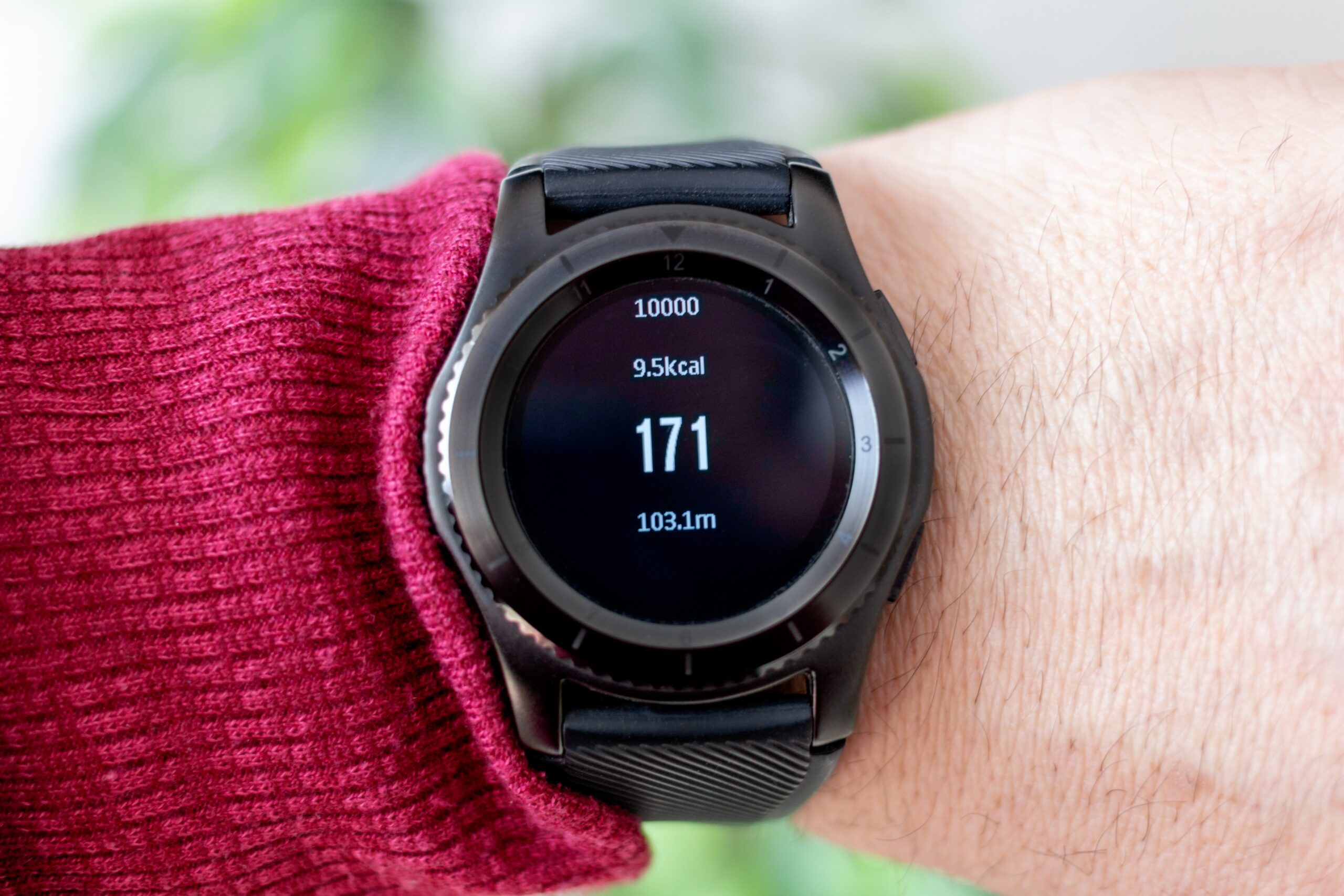
Health tech is ever evolving, and trackers such as FitBit and smartwatches are something that has been adopted by anyone serious about looking after their health. These trackers and associated apps can monitor everything from heart rate to dietary intake.

Many people also use these devices to monitor their sleep, even more so as research begins to unveil the true impact of not sleeping well. However, the accuracy of these trackers to monitor sleep accurately has come into question. In some cases, an overreliance and obsession over the data they provide have led to further sleep issues.

How much sleep do you need?

Current advice around sleep is that the average healthy adult needs 6-9 hours a night1. Like everything related to health, there is no ‘one-size-fits-all’ for sleep and indeed no magic number. The variability in sleep times between individuals may be down to genetics and numerous other lifestyle factors. In fact, a decade ago, researchers discovered a genetic mutation in some people linked to short sleep, meaning they got the same benefit on six hours of sleep as those without the mutation who got eight2. Since then, several other similar genes have been discovered, contributing to the evidence that functioning well on less sleep is a genetic trait.

Research is ever evolving around sleep. There is plenty to suggest that a lack of it is linked to an increased risk of heart disease, high blood pressure, stroke, obesity, type 2 diabetes, depression, and anxiety3. However, the definition of ‘lack of sleep’ varies between individuals, so it’s wrong to assume that there will be health consequences if you get less than eight hours a night. It is also not just about total sleep time but sleep quality.


What are the stages of sleep?

Four sleep stages make up a single cycle that lasts around 90 minutes and the number of cycles that occur is dependent on how long you are asleep.

Stage one is short only lasting 5-10 minutes. Sleep is shallow during this stage, and while your brain is dipped into sleep, you may not feel as though you are asleep. This is the stage at which you can be easily woken.

Stage two is often referred to as light sleep. It’s an important stage that takes up much of the night and is characterised by a slowing down of breathing and heart rate. During the first sleep cycle, this stage lasts around 10-25 mins but increases during subsequent cycles to make up half of the time you spend asleep.

Stage three is deep sleep, and it is difficult to wake people up from this stage in the cycle. The body totally relaxes during this stage, and your pulse and breathing rate drops even further. This stage is restorative and essential for recovery and growth and bolstering the immune system. The body is vulnerable during this stage, so after the first couple of sleep cycles, the time spent in this stage reduces as you spend more time in REM sleep.

The final stage of sleep is REM. During this stage, the body is inactive, but your eyes move rapidly hence the name. Heart rate increases and breathing becomes more irregular during this stage. Bodily functions such as protein synthesis peek at this stage, which is also when you are most likely to dream. This stage is also essential for cognition, learning, and creativity.

So, back to sleep trackers.

How do sleep trackers monitor sleep?

Sleep trackers monitor sleep by movement and heart rate, but their accuracy is certainly not 100%. Just because you’re not moving doesn’t necessarily mean you are asleep, which is a flaw in the tech. Wearables that monitor heart rate are likely to be a little more accurate at defining between the sleep stages as it fluctuates between them.

Only a few studies compare the accuracy of sleep monitoring devices set against the recognised lab testing called polysomnography, which looks at brain waves, blood oxygen levels, heart rate, breathing, and eye and leg movements. One such study published in the journal Sleep Medical Reviews found that sleep trackers were only accurate 78% of the time when identifying sleep versus wakefulness. This accuracy dropped to just 38% when estimating how long it took participants to fall asleep4.

What information do sleep trackers provide?

Most sleep trackers will tell you how long you were asleep and awake during the night. The data is also broken down into the different stages of sleep, and how well you slept is given as a percentage score. This data is helpful to help identify your sleep pattern and provides a way of monitoring your sleep over time.

How people interpret, this data is an issue with these trackers. Most people do not understand how sleep cycles work and how the timing of each stage varies during the night. A common misconception is that you should be getting lots of deep sleep when this is the stage you spend the least time in during the night.

Sleep trackers also have no way of assessing exactly how much sleep you need. Most trackers give you a higher score for getting closer to eight hours a night, but this is misleading if you only need six hours to function optimally.

Can sleep trackers do more harm than good?

While the information provided by sleep trackers can be helpful, it can’t be relied upon to give you an accurate analysis. In some instances, people have become too focused on this data in their quest to achieve the perfect sleep score. This obsessive focus can cause anxiety and unhealthy sleep behaviours, ironically disrupting sleep.

Researchers have coined the term ‘orthosomnia’ to describe the potential risks associated with people who develop an unhealthy preoccupation with improving the data from their sleep tracker5. Studies on the topic have shown how people self-diagnose and convince themselves they have a sleep disorder based on their sleep data even though they may not5. The knock-on effect is increased stress and time and money wasted investigating the issue.

Some people may also spend excessive time in bed to improve their sleep scores. The problem with this behaviour is that it reinforces poor sleeping habits and can condition the body for sleeplessness, leading to future issues with insomnia further down the line.

How useful are sleep trackers?

Sleep trackers provide some helpful insight into your sleep patterns, and they offer a way to monitor this over time. They won’t help you get a better night’s sleep, as this is down to good sleep hygiene habits.

The problem with many health techs is that it needs to be programmed around a set of algorithms based on generic data or information imputed by the user. As far as sleep is concerned, wearables do not have the functionality to establish precisely how much sleep you need to function at your best. Research has shown how people become more reliant on their tracker to tell them whether they got a restful sleep. The only way to figure this out is by listening to your own body. Rather than focusing too much on numbers, it is better to assume you are getting enough sleep if you wake up fully rested and perform well during the day.

References

  1. Hirshkowitz, M., Whiton, K., Albert, S. M., Alessi, C., Bruni, O., DonCarlos, L., Hazen, N., Herman, J., Katz, E. S., Kheirandish-Gozal, L., Neubauer, D. N., O’Donnell, A. E., Ohayon, M., Peever, J., Rawding, R., Sachdeva, R. C., Setters, B., Vitiello, M. V., Ware, J. C., & Adams Hillard, P. J. (2015). National Sleep Foundation’s sleep time duration recommendations: methodology and results summary. Sleep health, 1(1), 40–43.
  2. Shi, G., Xing, L., Wu, D., Bhattacharyya, B. J., Jones, C. R., McMahon, T., Chong, S., Chen, J. A., Coppola, G., Geschwind, D., Krystal, A., Ptáček, L. J., & Fu, Y. H. (2019). A Rare Mutation of β1-Adrenergic Receptor Affects Sleep/Wake Behaviors. Neuron, 103(6), 1044–1055.e7.
  3. Nagai, M., Hoshide, S., & Kario, K. (2010). Sleep duration as a risk factor for cardiovascular disease- a review of the recent literature. Current cardiology reviews, 6(1), 54–61.
  4. Conley, S., Knies, A., Batten, J., Ash, G., Miner, B., Hwang, Y., Jeon, S., & Redeker, N. S. (2019). Agreement between actigraphic and polysomnographic measures of sleep in adults with and without chronic conditions: A systematic review and meta-analysis. Sleep medicine reviews, 46, 151–160. https://doi.org/10.1016/j.smrv.2019.05.001
  5. Baron, K. G., Abbott, S., Jao, N., Manalo, N., & Mullen, R. (2017). Orthosomnia: Are Some Patients Taking the Quantified Self Too Far?. Journal of clinical sleep medicine : JCSM : official publication of the American Academy of Sleep Medicine, 13(2), 351–354.
Can sleep influence your body weight?

Can sleep influence your body weight?

Does a lack of sleep encourage weight gain?

Sleep has become a hot topic in the world of health, and research highlights the broader issues of sleep deprivation extending way beyond simply feeling tired. One particular area of interest is the impact of chronic sleep deprivation on body weight and studies suggest that sleep deprivation is independently associated with a higher risk of obesity.

A study published in the American Journal of Epidemiology found people who sleep less than 5 hours a night eat more during the day (1).  A further study found people who slept 5 hours or less a night had the highest BMI and greatest weight gain when compared to those who slept for 7 hours (2).

But does this mean that if you don’t sleep well, you will get fat?

What is the role of sleep?

Sleep is defined as “A condition of body and mind which typically recurs for several hours every night, in which the nervous system is inactive, the eyes closed, the postural muscles relaxed, and consciousness practically suspended.”

A lot is going on once you fall asleep. The body needs a surprising amount of energy to fuel these functions, including memory processing, muscle and joint recovery, and growth. Poor sleep impacts mood, concentration, and alertness, and the effects of long-term sleep deprivation have been linked to several severe health conditions, including heart disease, diabetes, and stroke (3).

How well are we sleeping?

Optimally, we should all be aiming to get around 8 hours of sleep a night. However, according to research carried out by the Royal Society for Public Health, it appears most of us only manage to get less than seven.

Over a week, this deficit equates to a whole night’s sleep, and research by The Sleep Council has shown that 33 percent of people only manage 5–6 hours, while 7 percent get less than 5 hours.

Researchers at Loughborough University found that those who habitually slept for less than six hours each night tended to have a higher BMI than those who managed to get the recommended eight nightly hours.

Does sleep deprivation affect our appetite hormones?

Research has suggested that a lack of sleep may impact the hormones leptin and ghrelin, which control appetite. Leptin sends signals to the brain to help inhibit hunger, while ghrelin is released by the stomach to stimulate appetite. The research suggests that a lack of sleep may reduce leptin and increases ghrelin which may be a factor for weight gain in non-sleepers.

In one study, men who got four hours or less of sleep had increased ghrelin and decreased leptin compared to those who got 10 hours. This dysregulation of such hormones could lead to increased appetite and a reduced feeling of fullness in sleep-deprived people (4).

This hormonal effect may explain the correlation between obesity and sleep deprivation highlighted by specific studies, but more research is needed.

In addition, several studies have also indicated that sleep deprivation affects food preferences. Sleep-deprived individuals tend to choose foods that are high in calories and carbohydrates (5).

Insulin and sleep

Insulin, the hormone that regulates blood sugar, may also be affected by sleep. This hormone also promotes the storage of fat, and as such, it has been suggested that higher levels may impact weight gain. One published study found that sleep deprivation may increase the release of insulin and another hormone called cortisol which has also been associated with fat storage in the body (6).

How does being overweight affect our ability to sleep?

Being overweight can affect our ability to sleep in a couple of ways. Sleep apnoea is a condition that affects breathing during the night which can disrupt sleep. If this is an issue, make sure you sleep on your side to help open up the airways.

Indigestion is another problem that interrupts sleep and is more common in overweight people. Heartburn is a common symptom of indigestion as stomach acid rises into the oesophagus and throat.

Does this all mean that poor sleep makes you overweight?

Definitely not as the research is far from definitive. There may also be a much simpler connection….

Sleep deprivation causes fatigue and tiredness, impacting our motivation to eat well and keep active. Chronic sleep deprivation could also affect mental health contributing to low mood, depression, and anxiety. Such mental health conditions may lead to erratic eating behaviours such as skipping meals, comfort eating, or binging on unhealthy foods, contributing to weight gain.

The possible link between sleep and body weight is just one of many areas of research on this topic. Maintaining a healthy body involves diet and exercise but sleep should be a consideration.

References 

  1. Xiao, Q., Arem, H., Moore, S. C., Hollenbeck, A. R., & Matthews, C. E. (2013). A large prospective investigation of sleep duration, weight change, and obesity in the NIH-AARP Diet and Health Study cohort. American journal of epidemiology, 178(11), 1600–1610.
  2. Patel, S. R., Malhotra, A., White, D. P., Gottlieb, D. J., & Hu, F. B. (2006). Association between reduced sleep and weight gain in women. American journal of epidemiology, 164(10), 947–954. 
  3. Cappuccio, F. P., Cooper, D., D’Elia, L., Strazzullo, P., & Miller, M. A. (2011). Sleep duration predicts cardiovascular outcomes: a systematic review and meta-analysis of prospective studies. European heart journal, 32(12), 1484–1492.
  4. Motivala, S. J., Tomiyama, A. J., Ziegler, M., Khandrika, S., & Irwin, M. R. (2009). Nocturnal levels of ghrelin and leptin and sleep in chronic insomnia. Psychoneuroendocrinology, 34(4), 540–545. 
  5. Zuraikat, F. M., Makarem, N., Liao, M., St-Onge, M. P., & Aggarwal, B. (2020). Measures of Poor Sleep Quality Are Associated With Higher Energy Intake and Poor Diet Quality in a Diverse Sample of Women From the Go Red for Women Strategically Focused Research Network. Journal of the American Heart Association, 9(4), e014587.
  6. Hackett, R. A., Dal, Z., & Steptoe, A. (2020). The relationship between sleep problems and cortisol in people with type 2 diabetes. Psychoneuroendocrinology, 117, 104688.
Key nutrients every man should include in their diet

Key nutrients every man should include in their diet

Diet and men

Regardless of what sex you are it’s been shown time and again that diet and lifestyle choices have a significant impact on your health and reduce the risk of disease.  Men and women share similar risk factors for ill health and weight is a concern for everyone, but some conditions are more sex-specific and for men this includes certain cancers and prostate health.

Men can improve their health by eating a balanced diet overall but some nutrients may be worth focusing on to improve certain aspects of men’s health.

Fibre

Dietary fibre is a term that is used for plant-based carbohydrates but unlike other carbohydrates (such as sugars and starch) they are not easily digested in the small intestine and end up reaching the large intestine or colon. Fibre helps to aid digestion and has also been shown to help reduce the risk of heart disease and colorectal cancer (1).

Why is it important for men?

  • This nutrient is often overlooked in the diet, but it actually has a huge number of proven health benefits.
  • According to the UK National Diet and Nutrition Survey (NDNS) only 13% of men meet the recommended 30g of fibre per day (2).
  • A high fibre diet has been shown to help protect against heart disease – fibre can help to reduce LDL cholesterol which is a risk factor for the condition (3).
  • Findings from the World Cancer Research Fund (WCRF) have shown that there is strong evidence that consuming foods containing dietary fibre (wholegrains in particular) decreases the risk of colorectal cancer which is a leading cause of premature death in men over 50 (1).
  • Fibre adds bulk to the diet and can help to retain fullness between meals which may help with weight loss.
  • Fibre helps to aid digestion and maintain a healthy microbiota (certain fibres in foods such as bananas, artichokes, asparagus, onions and garlic act as prebiotics which help gut bacteria to flourish).

What foods are rich in this nutrient?

  • The richest sources of dietary fibre are found in beans, pulses and lentils – a serving of these foods can offer as much as 1/3 of your recommended daily intake.
  • Wholegrains such a oats, brown rice and bran cereals are also a great source of fibre as are fruits (fresh and dried), vegetables, nuts and seeds.
  • Some foods contain certain fibres that can help to lower cholesterol such as oats (beta glucan) and fruits such as apples, grapes and berries (pectin).

How can you include more of this nutrient in your diet?

  • Start by eating more fruits (fresh and dried) and vegetables. This includes snacking so try keeping chopped fruit and vegetables in the fridge which can be eaten alone or with a dip.
  • Leave the skin on fruits and vegetables.
  • Add beans, pulses and lentils to dishes such as one-pot meals (stews, soups, curries and casseroles) and salads – these foods can also be used to make high-fibre dips such as hummus.
  • Switch from white starchy foods to brown – this includes bread, pasta, rice and breakfast cereals.
  • Keep nuts and seeds to hand as they can be eaten as a high-fibre snack or used to top an endless number of dishes including yoghurt, salads and stir-fries. Keep them in small jars on your worktop so you remember to use them.

Omega 3

These essential fats have to be obtained from the diet as the body cannot make them.  Omega 3 fats include EPA and DHA from oily fish and ALA found in plants. These fats are integral to cell membranes and provide a starting point for hormones that regulate blood clotting, contraction and relaxation of artery walls as well as reducing inflammation in the body.

Why is it important for men?

  • Very few adults including men eat oily fish on a regular basis (current advice is one serving per week).
  • There has been a lot of research surrounding the consumption of oily fish (rich in omega 3 fatty acids) and heart disease which is the leading cause of premature death in men. It has been shown that omega 3 fatty acids may help to improve risk factors for heart disease in several ways which includes:
    • Reducing triglycerides in the blood (4)
    • Reducing blood pressure levels in people with high blood pressure (4)
    • Increasing HDL (good) cholesterol (5)
    • Preventing harmful blood clots (omega 3 keeps blood platelets from clumping together) (6)
    • Reducing inflammation in the body (7)
  • Mental health is a major health concern for men and suicide has been shown to be a leading cause of death in men under 35 – depression is a common mental health disorder (8). Research has suggested that people who consume more omega 3 regularly are less likely to be depressed.  It has also been shown that when people with depression start taking omega 3 supplements their symptoms improve although this doesn’t mean it will cure the condition in all cases (9).
  • Research published in the journal JAMA Open Network has suggested that omega 3 supplements may be associated with higher semen volume and total sperm count which may be relevant to men trying to conceive (although these findings need to be confirmed with more thorough clinical trials) (10).

What foods are rich in this nutrient?

  • The richest source of omega 3 fatty acids are found in oily fish. This includes fresh salmon, trout, herring, pilchards, sardines, sprats and mackerel. Some canned fish are also rich in omega 3 and this includes salmon, pilchards and sardines.
  • Plant sources of omega 3 include nuts (especially walnuts), seeds, seed oils (especially chia and flax), tofu, edamame (soya) beans, avocado and whole wheat bread. These are not the best source of omega 3 the type of fatty acid (ALA) found in them is converted poorly in the body to the more usable EPA and DHA.

How can you include more of this nutrient in your diet?

  • Try grilling salmon, trout or mackerel and serving with a wholegrain and vegetables. Look out for interesting ways to flavour fish such as spices, marinades and salsa.  These fish work really well with fruity salsa’s made from ingredients such as papaya, mango, lime, avocado, coriander and chilli.
  • Try smoked salmon and scrambled egg for breakfast or as a light meal.
  • Pates are. Good way to get ore omega 3 and you can make these from smoked mackerel or canned fish such as salmon.
  • Keep seeds and nuts to hand to sprinkle over foods.
  • A good fish pie or pasta sauce is a great way to add more oily fish to your diet. Kedgeree is good too and a nice way to use smoked mackerel.  Fish curries also work well, and the strong flavours are good with oily fish such as salmon and trout.
  • Consider a supplement – vegan supplements are also available.

Zinc

Zinc has many roles in the body which include making new cells and enzymes, processing carbohydrates/fats/proteins in food and also helping wounds to heal.

Why is it important for men?

  • Zinc helps to support normal testosterone levels in men. Low levels of testosterone can result in low libido, fatigue, loss of muscle mass and in some cases erectile dysfunction.
  • Zinc is important for all male reproductive health and this includes the health of their prostate. Problems with prostate health may occur in men beyond the age of 50 and prostate enlargement (BPH)can causes symptoms such as frequent urination, weak urine stream and difficulty urinating – this can also have an impact on your pattern of sleep. Zinc may help to reduce the risk of developing enlarged prostate and reduce its size in those who have enlarged prostate (11).
  • Zinc is vital for male fertility as it is involved in making male sex hormones and sperm is thought to contain high levels of this mineral.
  • Zinc is important for the synthesis of protein and is also required to make the protein found in har called keratin. A healthy hairline is a concern for any men and while zinc may not slow down baldness it will ensure what you have is strong and healthy.

What foods are rich in this nutrient?

  • Food rich in zinc include beef, chicken (dark meat), tofu, nuts, seeds, lentils, low-fat yoghurt, oats, mushrooms, seafood, eggs, cheese, wholegrains and pulses.

How can you include more of this nutrient in your diet?

  • Keep nuts and seeds to hand so you remember to sprinkle them over dishes such as salads, porridge and yoghurt – well anything really!
  • Go plant-based a couple of times each week – Many plant-based foods are high in zinc and especially the ones that form the base for dishes such as lentils, beans, pulses and wholegrains.
  • Include a couple of servings of seafood in your diet each week as these foods are a good source of zinc – while oysters are the richest source, they are not high on everyone’s shopping list so try prawns, cram, clams and lobster.
  • Ditch breakfast cereal in favour of foods such as porridge, yoghurt, eggs and wholegrain toast which are all loaded with zinc.
  • Consider either a multivitamin and mineral supplement or zinc supplement.

Lycopene

Lycopene is a powerful antioxidant found in red or pink fruits and vegetables.  As an antioxidant it helps to reduce inflammation in the body and reduce the damage caused by excess free radicals.  Research has suggested that lycopene may play a role in protecting the body against heart disease, certain types of cancer and may even help protect against sun damage according to some studies.

Why is it important for men?

  • The World Cancer Research Fund has previously shown that lycopene probably helps to reduce the risk of prostate cancer in men. The latest report is not as convincing as no evidence could be drawn to show either way. Despite this, it is probably a good idea for men to still include lycopene rich foods as part of a healthy balanced diet (12).
  • Lycopene may also help to slow down the progression of enlarged prostate (BPH) in men (13).

What foods are rich in this nutrient?

  • The richest source of lycopene can be found in tomatoes and the more processed they are the greater the content of lycopene – tomato sauces, sundried tomatoes, tomato puree, canned chopped tomatoes.
  • You can also find lycopene in foods such as watermelon, guava, papaya, pink grapefruit and red peppers (cooked is best).

How can you include more of this nutrient in your diet?

  • Try to add a daily serving of tomatoes to your diet. Roasted tomatoes work well with scrambled egg, tropical fruits are great for breakfast and you can add chopped tomatoes to many dishes including sauces, curries and stews.
  • Sundried tomatoes make for a delicious snack or can be chopped into salads – great in the summer with mozzarella, sliced tomatoes and basil.
  • Consider taking a lycopene supplement.

Potassium

Potassium is a mineral that helps control the balance of fluids in the body, and also helps the heart muscle work properly.

Why is it important for men?

  • Potassium is required for fluid balance in the body which is associated with blood pressure. Blood pressure is a serious health problem which increases the risk of stroke – leading cause of premature death in men. 
  • Findings from the UK National Diet and Nutrition Survey (NDNS) have shown that average intakes of potassium in men are below the RNI – mean as a percentage of RNI is just 82% (2)
  • Further findings from the NDNS show that 11% of men have intakes below the lower reference nutrient intake which means they are simply not getting enough (2).

What foods are rich in this nutrient?

  • Foods highest in potassium include bananas, spinach, kale, beetroot, salmon, beans, pulses, lentils, avocado, potatoes, melon (all varieties), squash, courgette, low fat yoghurt, mushrooms, kiwi fruit, tomatoes.

How can you include more of this nutrient in your diet? 

  • Start by simply eating more vegetables on a daily basis. Vegetables are the richest source of potassium and one of the reasons intakes are low is because less than a third of men manage to eat 5-a-day.
  • Focus on including foods which are particularly rich in potassium. Try chopped banana on low fat yoghurt for breakfast or roast salmon with steamed green vegetables and boiled new potatoes for dinner.
  • Go plant based a few times each week. This will ensure you are eating more plant-foods rich in potassium.
  • Consider taking a multivitamin and mineral supplement.

References

  1. Diet, Nutrition, physical activity and colorectal cancer. World Cancer Research Fund (2018).
  2. National Diet and Nutrition Survey (2018)
  3. Brown L, Rosner B, Willett WW, Sacks FM. Cholesterol-lowering effects of dietary fiber: a meta-analysis. Am J Clin Nutr. 1999;69(1):30-42.
  4. Cazzola R, Russo-Volpe S, Miles EA, et al. Age- and dose-dependent effects of an eicosapentaenoic acid-rich oil on cardiovascular risk factors in healthy male subjects. Atherosclerosis. 2007;193(1):159-167.
  5. Eslick GD, Howe PR, Smith C, Priest R, Bensoussan A. Benefits of fish oil supplementation in hyperlipidemia: a systematic review and meta-analysis. Int J Cardiol. 2009;136(1):4-16.
  6. Marchioli R, Barzi F, Bomba E, et al. Early protection against sudden death by n-3 polyunsaturated fatty acids after myocardial infarction: time-course analysis of the results of the Gruppo Italiano per lo Studio della Sopravvivenza nell’Infarto Miocardico (GISSI)-Prevenzione. Circulation. 2002;105(16):1897-1903.
  7. Kiecolt-Glaser JK, Belury MA, Andridge R, Malarkey WB, Glaser R. Omega-3 supplementation lowers inflammation and anxiety in medical students: a randomized controlled trial. Brain Behav Immun. 2011;25(8):1725-1734.
  8. Suicides in Great Britian. Office for National Statistics (2016). https://www.ons.gov.uk/peoplepopulationandcommunity/birthsdeathsandmarriages/deaths/bulletins/suicidesintheunitedkingdom/2016registration
  9. Burhani MD, Rasenick MM. Fish oil and depression: The skinny on fats. J Integr Neurosci. 2017;16(s1):S115-S124. doi:10.3233/JIN-170072
  10. Salas-Huetos A. More Evidence of the Association of Diet With Human Testicular Function—Fish Oil Supplements. JAMA Netw Open.2020;3(1):e1919569
  11. Christudoss P, Selvakumar R, Fleming JJ, Gopalakrishnan G. Zinc status of patients with benign prostatic hyperplasia and prostate carcinoma. Indian J Urol. 2011;27(1):14-18.
  12. Diet, Nutrition, physical activity and prostate cancer. World Cancer Research Fund (2018).
  13. Schwarz S, Obermüller-Jevic UC, Hellmis E, Koch W, Jacobi G, Biesalski HK. Lycopene inhibits disease progression in patients with benign prostate hyperplasia.J Nutr. 2008;138(1):49-53.