Vegetarian

Home / Posts tagged "Vegetarian" (Page 2)
Glorious greens!

Glorious greens!

Eat your greens

Most of us are more than familiar with the term, “eat your greens”, as a well-used mantra for good nutrition and it seems we can’t get enough of them.  Green is a colour most commonly associated with all things healthy and their position in the current wellness landscape is clear from the popularity of juices, powders and self-proclaimed ‘superfoods’ derived from this group of vegetables.  The social media site, Instagram has become one of the main platforms for people to share their love of food with hashtags for kale revealing over 2 million posts and avocado exceeding 4 million.


The green revolution

Foods such as kale, avocado and courgette have become the heroes of the ‘green revolution’ as influential food bloggers showcase innovative ways to serve these vegetables such as spiralised courgette, kale chips or avocado on toast.  The positive press about green vegetables has also resonated with shoppers as market research shows how they choose kale for health in 9 out of 10 occasions.  Other green vegetables also carry a similar message with three quarters of consumers actively thinking about health when eating spinach and broccoli.


Popularity of green vegetables

Last year’s sales figures from Waitrose showed that courgette sales were up 13% from the previous year and that spring greens were up 23%.  The popularity of kale, the ambassador for healthy greens, is also continuing to rise with Marks and Spencer reporting that they have sold twice as much as the previous year.  Market research from Kantar Worldpanel echoes these figures by reporting that overall sales of kale in the UK were up by 54% on the previous year.  However, despite their popularity and sales figures, the NDNS survey shows that greens are still not our preferred choice as intake of vegetables such as kale, broccoli, sprouts and cabbages are low compared with more popular choices such as tomatoes.


Nutritious greens

So are green vegetables any more nutritious?  Well if you compare vegetables such as kale, spinach and broccoli with other coloured vegetables then they do contain a richer source of minerals such as iron, magnesium, calcium and potassium but this doesn’t mean you should be skimping on reds, yellows, oranges and purples.  All vegetables are highly beneficial to health and contain their own unique blend of nutrients and no single variety should be viewed as superior.

Aside from vitamins and minerals that are essential to life, vegetables also contain Phytonutrients.  These compounds are pigments that give plants their vivid array of colours and originally evolved to help protect against diseases and insects.  Research has shown how these plant compounds help to protect our health and reduce the risk of disease.  There are many thousands of phytonutrients and research has only just started to unveil their identity and very complex action in the body. 

Phytonutrients also act as antioxidants that help to prevent against the damage caused by the oxidation of molecules, which is a process that creates free radicals.  Free radicals are a natural byproduct of metabolism but an excess can build up in the body when we are exposed to environmental factors such as too much sun, pollution or smoking.


Eye health

Two such phytonutrients found in green vegetables are lutein and zeaxanthin that have been shown to help maintain good eye health.  Both are found in high concentration in the macula, which is an area within the retina of the eye.  One purpose of these phytonutrients is to help filter our harmful light that can potentially damage the eye.  Large studies have shown that these nutrients help to lower the risk and slow down the development of age-related macular degeneration (AMD), which is a leading cause of blindness in older people.  Further studies have also shown that people with the greatest intakes of foods rich in lutein, zeaxanthin and beta carotene, in particular kale, spinach and broccoli, are less likely to develop cataracts.


Still not eating enough vegetables

Although green vegetables receive a lot of attention, regardless of colour, the reality is that as a nation we still don’t eat enough of any vegetable.  The National Diet and Nutrition Survey (NDNS) has shown that on average we are only eating four daily servings of fruits and vegetables and that only 30% of us are eating more than the recommended 5-a-day.

 Research by University College London has suggested that there is a greater benefit to be had by eating more than seven servings daily and that this should include more vegetables as these hold greater health benefits.  They found that those who ate at least seven serving daily were 42% less likely to die from any cause over the course of their study.


Include a rainbow of colours!

Green vegetables are undeniably very nutritious and have been widely studied for their health benefits including those related to eye health.  Whilst it’s a good idea to included them in your daily diet you should avoid the hype and eat a rainbow of foods to maximise your nutrient intake. These foods in particular are often labelled with the term ‘superfood’ but this holds little nutritional significance and no single vegetable or any food for that matter can be viewed as a panacea.  The focus should start with increasing overall intake of vegetables as their benefit to health is well proven.

Black garlic

Black garlic

Black garlic is the new kid on the block when it comes to health foods, is it worth the hype?

Black garlic is having a moment as one of the new on-trend ingredients, not only for flavour, but the health benefits that have been attributed to this member of the onion family. Whilst it may seem like a new addition to the UK supermarket shelves, this ingredient has been around for a very long time and a traditional staple in East-Asian countries such as China and Korea.

The production of black garlic is done under controlled conditions of high temperature and humidity for at least 3 weeks. This natural fermentation process converts the pungent sulphurous compounds that give garlic its distinctively strong flavour and odour, into odourless substances. The black colour of this garlic is the result of new amino acids that are generated during the process along with dark pigments called melanoidins that darken the cloves.

Black garlic cloves are soft and chewy with a savoury-sweet taste that is reminiscent of molassess, balsamic and prunes. This variety of garlic works particularly well in dressings, sauces and marinades but has also been used in sweet recipes such as brownies and Ice-cream by creative food manufacturers on the Isle of White, who produce a large quantity of British garlic. Some people even like to eat the cloves straight from the bulb given their less pungent odour and taste when compared to traditional white garlic.

The majority of research around garlic and its extracts has involved traditional white garlic which is thought to benefit many areas of health including the heart (blood pressure, circulation and cholesterol) and immunity as well as possessing anti-inflammatory and anti-fungal properties. These benefits are thought to be down to the array of plant chemicals contained in the bulbs that work together to produce a variety of responses. Garlic is able to synthesise the powerful antioxidant called allicin from two other compounds found in the bulbs. Many of the healthy benefits associated with white garlic are thought to be attributed to its high level of allicin.

Black garlic contains similar nutrients and other plant compounds to white garlic but their antioxidant capacity is thought to be four-fold. Below are a some of the health benefits associated with black garlic.

Health benefits of black garlic

• Black garlic contains vitamin C and B6, manganese and selenium

• Black garlic contains a sulpherous compound called S-allycysteine (SAC), which research suggests may help to inhibit cholesterol synthesis.

• S-allycysteine assists with the absorption of allicin, helping to metabolise it more easily. Allicin acts a powerful antioxidant the body, which helps to fight free-radical damage. This plant compound is also thought to posses anti-microbial and anti-fungal properties that may help to ward of infections within the body.

• Research suggests that black garlic extracts can increase the activity of white blood cells, which help the body to fight infections and viruses. This increase in activity may help to improve the immune targeting of abnormal body cells.

• According to cell studies, extracts found in black garlic are able to inhibit the growth of certain cancers such as stomach and colon, by triggering their natural destruct mechanism known as apoptosis (cell death). Whilst this does suggest a positive role of black garlic, much more research is required to directly link it to the prevention of cancer.

This recipe has been taken from my good friend Lily and the Detox Kitchen (www.detoxkitchen.co.uk)


Raw vegetable salad with black garlic dressing (download as a PDF raw-vegetable-salad-with-black-garlic-dressing)

210 calories, 12.7g fat, 2.3g sat fat, 112.4g carbohydrates, 8g sugar, 8.5g protein, 1.5g salt, 5.5g fibre

Serves 2

Ingredients

4 cloves black garlic, finely sliced
Juice and zest of 1 lemon
1 tbsp extra virgin olive oil
1 tsp malden salt
1 handful radishes
2 courgettes
½ red onion
½ green pepper, finely diced
1 handful cashew nuts, roasted and chopped to garnish
Micro coriander and edible flowers to garnish


Method

  1. Place the black garlic in a pestle and mortar with the lemon juice, oil and salt and gently bash the cloves until the liquid has turned a dark brown colour. The tough texture of the black garlic does not lend itself well to being broken down so the pieces will remain intact. This is fine as the flavour will still infuse with the lemon juice and rapeseed oil.
  2. Finely slice the radishes and using a peeler, create long thin strips of courgette.
  3. Place them in a bowl with the rest of the ingredients and mix well.
  4. Serve the salad in large bowls and dot the pieces of black garlic, from the dressing, around the vegetables.
  5. Sprinkle with the cashew nuts and lemon zest and garnish with the coriander.
  6. Serves with dressing and edible flowers.

Download as a PDF  raw-vegetable-salad-with-black-garlic-dressing


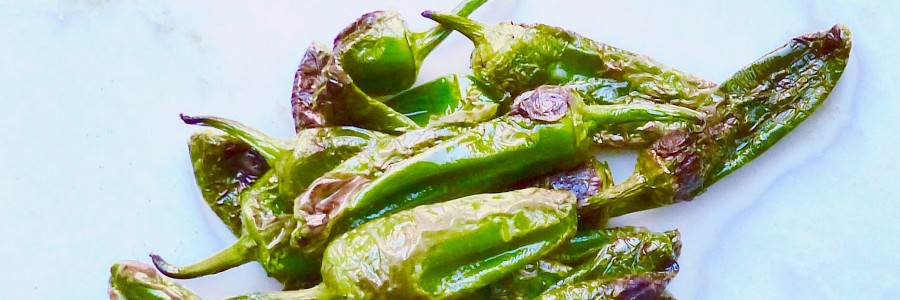
Padron peppers with smoked paprika and flaked sea salt

Padron peppers with smoked paprika and flaked sea salt

Great way to up your (at least) five-a-day

This super-quick dish is a tasty way to get a serving of veggies into your daily diet. I love to make these peppers as a snack whilst working at home during the day or when peckish after supper. Peppers are one of the richest sources of vitamin C, which acts a powerful antioxidant in the body, protecting cells from free radical damage. Vitamin C is also essential for the formation of collagen, which is a key component of connective tissues in the body as well as that of the skin (provides support and elasticity), and also helps with wound healing. Most of us get more than enough of this vitamin from fruits and vegetables in the diet. A single serving of these peppers provides over 150% of the RDA as well as a source of B6 and folate.

Serves 2

70 calories per serving

Ingredients

1 tbsp extra virgin olive oil
200g Padrón peppers
1 tsp flaky sea salt
½ tsp smoked paprika

Method

  1. Heat the oil in a large non-stick pan over a high heat until just smoking.
  2. Add the peppers and toss occasionally until the skins blister and the peppers are softened. They should be well coloured all over.
  3. In a small bowl, combine the salt and paprika.
  4. Serve on a plate or wooden board along side the salt/paprika mix. Eat by dipping the peppers in the paprika salt.
Moroccan butternut squash and red lentil soup

Moroccan butternut squash and red lentil soup

High fibre soup

Butternut squash is a very rich source of beta-catorene, which is pant chemical that gives its bright orange colour.  This pigment also acts as a profile antioxidant in the body that helps to reduce oxidative damage from free radical (caused by environmental factors). This soup is also high in fibre that helps maintain good digestion and has been shown to help reduce the risk of heart disease, control blood glucose levels as well as help with weight maintenance.

Ras El Hanout is a Moroccan spice made from a blend of coriander, ginger, paprika, allspice, cardamon, cloves and rose petals.


High vis soup

Serves 2 (generous servings)

Ingredients

1 small butternut squash, peeled, deseeded and cut in to chunks

2 garlic cloves

1 tbsp extra virgin olive oil

1 small onion, finely chopped

100g red lentils

2 tsp Ras El Hanout

Small pinch of dried chillies

800ml vegetable stock

Sea salt

Black pepper


To serve

Sunflower and pumpkin seeds

Pomegranate arils

Fresh mint, finely chopped


Method

  1. Pre heat the oven to 200C.
  2. Season the squash with salt and pepper then wrap in foil with the garlic. Place the foil package on a baking sheet and cook in the oven for 20 minutes until tender then remove from the oven and set aside.
  3. Heat the oil in a large saucepan and add the onion.  Fry for 5-8 minutes until soft.  Add the Ras El Hanout and dried chillies then cook for a further 1 minute.
  4. Add the squash, garlic and lentils to the pan and stir.  Pour in the stock and bring to the boil.
  5. Once boiled turn down the heat and simmer for 15 minutes until the lentils are tender.
  6. Season with salt and pepper.
  7. Take the soup off the heat and blend with a stick blender until smooth.  If the soup is too thick then add water until you get your desired consistency (soup should be a thick consistency).
  8. Divide the soup between two bowls and garnish with seeds, pomegranate and chopped mint.


Soup in a row


Filming with That Girl London

Filming with That Girl London

Great day last Thursday filming recipes with my gorgeous buddy and hugely talented personal trainer, Christina Howells of That Girl London.  Huge thanks to the talented Nina for her filming skills and Fiona for letting us film in her beautiful kitchen.

Deliciously healthy recipes included:

Aubergine, chickpea and feta salad (see below)

Shredded turkey broth

Cashew nut milk

Edemame salad

Lentil sprout wraps with tahini dressing

Chickpea, pomegranate and pumpkin curry (taken from The Detox Kitchen Bible)


Great day! Will be including these recipes when Christina and I entertain the health media on a fitness retreat at the Hillside Beach Spa in Turkey next month!


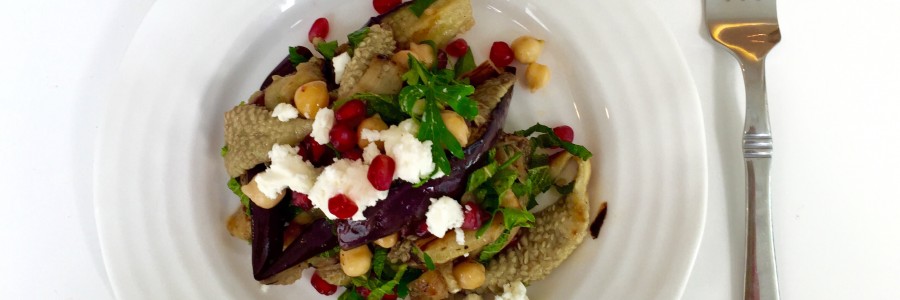
Aubergine, chickpea, pomegranate and feta salad

Aubergines and chickpeas make this dish rich in fibre which is lacking in the diet of most people.  Fibre not only aids good digestion but can help with weight loss (keeping you fuller for longer), protect against certain cancers and promote good heart health (reduce cholesterol).

Serves 2

340 calories per serving

Ingredients

2 medium aubergines
1 tbsp extra virgin olive oil
1 tbsp red wine vinegar
210g can of chickpeas
Pinch of salt
Pinch of ground black pepper
80g pomegranate seeds
Handful each of parsley and mint, chopped
60g feta cheese, crumbled

Method

1. Cut the aubergine into thick slices lengthways then set to one side.
2. Heat a griddle pan or large non-stick frying pan over a high heat.
3. Place the slices of aubergine on the pan and cook each side for 3 minutes until lightly charred and tender. Once each slice is cooked, place them all in a large bowl and cover with clingfilm. Leave for 15 minutes.
4. Make the dressing by combining the oil and vinegar in a small bowl and whisking.
5. Drain the chickpeas in a colander and rinse then transfer to a large bowl.
6. Take each aubergine slice and roughly tear into strips (you can also use kitchen scissors for this) then add to the bowl with the aubergine.
7. Add the dressing to the bowl and combine, adding in salt and pepper. Next, throw in the pomegranate seeds, parsley and mint leaves then lightly toss.
8. Divide the aubergine mixture between 2 plates and sprinkle with feta before serving.


Nutty couscous and veggie salad

Nutty couscous and veggie salad

There was a time when couscous was considered an unusual grain, something to create a Moroccan themed dish to impress your dinner party guests.  Now, this grain has become as commonplace as bread and pasta.  I have even been putting it on school menus for years as a healthy carbohydrate food option enjoyed but children.

Unfortunately, couscous has become less ‘hip’ in the shadow of more exotic, sexy, media-friendly grains and ‘pseudo grains’ like quinoa, amaranth, millet, teff and buckwheat, which also satisfy the current obsession with all things gluten-free (a special diet wrongly assumed as being superiorly healthy).

I’m just as guilty of never cooking at home with couscous; in the same way I never really eat pasta in favour of more interesting wholegrains and seeds.  However, how wrong have I been!  After roasting a chicken the other night and trying to rustle up an accompaniment that would make use the stray bits of food in my fridge and cupboards, I stumbled across a dusty bag of couscous.

Taking the lead from traditional tabbouleh, I added both pine and pistachio nuts along with additional veggies including a slightly limp courgette and shrivelled red pepper!  It turned out to be the most delicious accompaniment to my roast chicken.  If you don’t have any couscous or prefer a gluten-free alternative then use a 400g can of chickpeas.  If your veggie or vegan then try adding more nuts (or even additional toasted hazelnuts and pumpkin seeds) to increase the calorie and protein content to make a more substantial main meal.

I should probably be telling you to use wholemeal couscous but I prefer the taste and texture of the white variety, the veggies and nuts ensure sure this dish is high in fibre.  As well as fibre, this dish is a good source of protein and high in iron, magnesium, vitamin C and B complex.


Nutty couscous salad

Serves 2

380 calories

Ingredients

120g couscous
180ml vegetable stock (reduced sodium)
1 tbsp unsalted pistachio nuts
1 tbsp pine nuts
1 medium-sized red pepper, finely diced
1 medium-sized courgette, finely diced
2 spring onions, sliced (bulbs and tops)
Small handful of mint, chopped
Small handful of flat leaf parsley, chopped
4 dried apricots, sliced
6 cherry tomatoes, quartered
1 tbsp extra virgin olive oil
1/2 tsp ground cumin
1 lemon, juiced


Method

  1. Place the couscous in a small shallow bowl or saucepan. Pour over the hot stock, stir and then cover. Leave to sit for 5 minutes then separate with a fork.
  2. Heat a small saucepan (dry) over a medium heat. Add the nuts and toast for 2 minutes until the pine nuts start to colour (don’t leave the pan and keep the nuts moving as pine nuts burn very easily!). Once toasted, transfer to a plate and leave to cool.
  3. Place the cooked couscous in a medium-sized mixing bowl with the other ingredients, season with salt and pepper  and combine well.
  4. Serve.
Mushroom, lentil and walnut burgers

Mushroom, lentil and walnut burgers

Whilst they don’t really replicate the taste or texture of a meat burger, these vegetarian versions are pretty damn tasty, even got the approval of my carnivorous other half!

They’re a little squishy in a bun but work brilliantly with a crunchy avocado salad.  My top tip is to get your non-stick pan super hot before cooking the patties so the outsides get nice and crispy.

Mushrooms contain a good source of selenium and vitamin D, two nutrients shown to be lacking in the average UK diet.  These clever fungi have the unique ability to convert UV light into vitamin D, even after harvesting.  You can buy vitamin D rich mushrooms grown under UV light which is great for the winter otherwise simply leave your mushrooms in the sun so they can work their magic!


Mushroom, walnut and lentil burgers with crunchy avocado salad (download as PDF mushroom-lentil-and-walnut-burgers)

Serves 2/4

2 tbsp (30g) walnuts, roughly chopped
2 tsp olive oil
1 (75g) small onion, finely diced
2 (24g) cloves garlic, finely diced
150g chestnut mushrooms, chopped
1 tsp (3g) smoked paprika
½ tsp ground cumin
Pinch of cayenne pepper (to taste)
Salt
Black pepper
½ of a 400g can puy lentils
10g coriander, finely copped
40g fresh wholemeal breadcrumbs

Salad

1 extra large avocado, halved and stone removed
1 small yellow pepper, finely diced
½ small onion, finely diced
1 stick celery, finely sliced
6 cherry tomatoes, quartered
1 tbsp toasted pumpkin seeds
½ red chilli, finely chopped (to taste)
1 lime, juiced
Sea salt
Black pepper

Method

1. Set a small frying pan over a medium heat and add the walnuts to toast for a few minutes (don’t leave the pan as they can burn really easily!). Once toasted set aside to cool.

2. Heat the oil in a large deep-sided frying pan over a medium heat. Add the onion and garlic and cook for 5 minutes or until softened.
Add the mushrooms and spices, cooking for a further 5 minutes. Season. Take the pan off the heat and leave to cool slightly.

3. Add the mushroom mixture and lentils to a food processor and blend until smooth.

4. Add this mixture to a large mixing bowl and combine with the walnuts, coriander and breadcrumbs.

5. Form the mixture into patties and set aside while you make the salad. You will get 2 large patties or 4 small from the mixture.

6. To make the salad, squeeze the avocado flesh from its skin into a medium-sized mixing bowl and break up, mashing slightly with the back of a fork.

7. Add the remaining salad ingredients and combine. Season.

8. To cook the patties, heat a large non-stick frying pan over a high heat. Once hot, add a little oil and gently place the burgers into the pan. Cook each side for 2-3 minutes so the patties start to colour and turn crispy.

9. Serve patties hot with crunchy avocado salad.


Download as PDF (mushroom-lentil-and-walnut-burgers)